
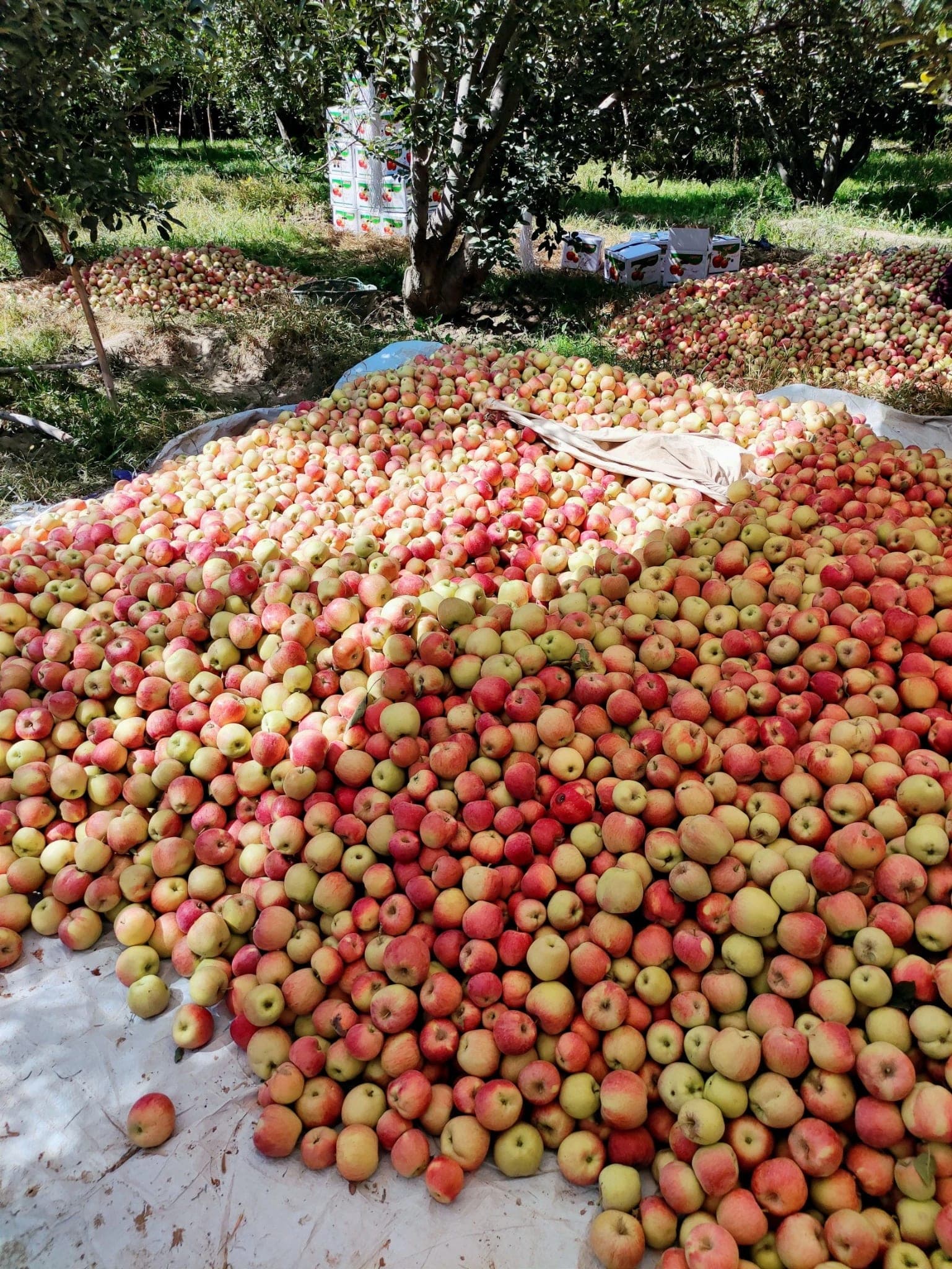
Kashmir is famous for its snow-capped mountains and shikara rides on Dal Lake, but every autumn, a quieter and equally stunning side of the valley comes alive when the apple orchards burst into color. Apple season in Kashmir is one of those travel experiences that most visitors never plan for but wish they had, and if you time your trip right, you'll witness something genuinely unforgettable. This guide walks you through everything you need to know to plan a visit around the harvest.
When Does Apple Season Actually Happen in Kashmir
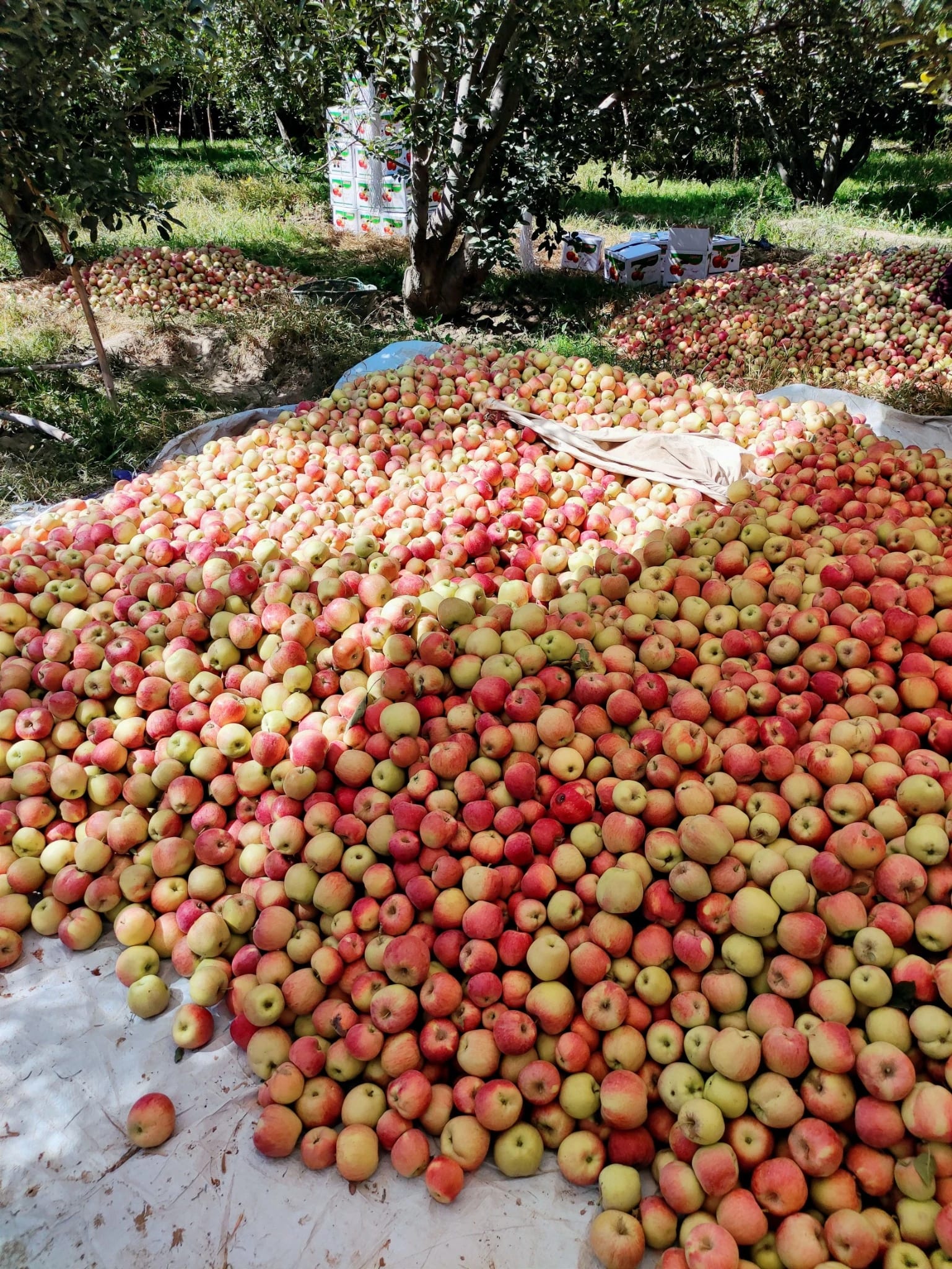
Kashmir's apple season typically runs from late August through October, with the peak harvest period falling in September and early October. This is when the orchards are at their most productive and most visually dramatic, with branches hanging heavy with fruit and local farmers working through the day to bring in the harvest.
The exact timing can shift slightly depending on the year and altitude. Orchards at lower elevations tend to ripen a little earlier, sometimes starting in mid-August, while higher-altitude areas like parts of Shopian and Sopore see their apples ready closer to late September or even into October. Weather patterns also play a role. A warm, dry summer usually means an earlier and more abundant harvest, while an unusually cool or wet season can push things back by a week or two.
Here is a rough breakdown of what to expect month by month during this window:
- Mid-August to early September: Early varieties like Trel and Maharaji begin ripening. Orchards start showing color but the main harvest has not peaked yet.
- Mid-September to early October: This is the sweet spot. The famous Red Delicious and American varieties are ready. Orchards are busy, markets are overflowing, and the visual experience is at its best.
- Mid to late October: The harvest winds down. Some late varieties are still being picked, but orchards begin to thin out and the focus shifts to packing and transport.
If you can only visit for a short window, aim for the second or third week of September. That is when you are most likely to catch the full harvest energy across multiple growing regions simultaneously.
To understand Apple Season in Kashmir: Best Time to Visit, it helps to compare what you see in the data and what action you need to take next.
Top Apple Growing Regions in Kashmir Worth Visiting
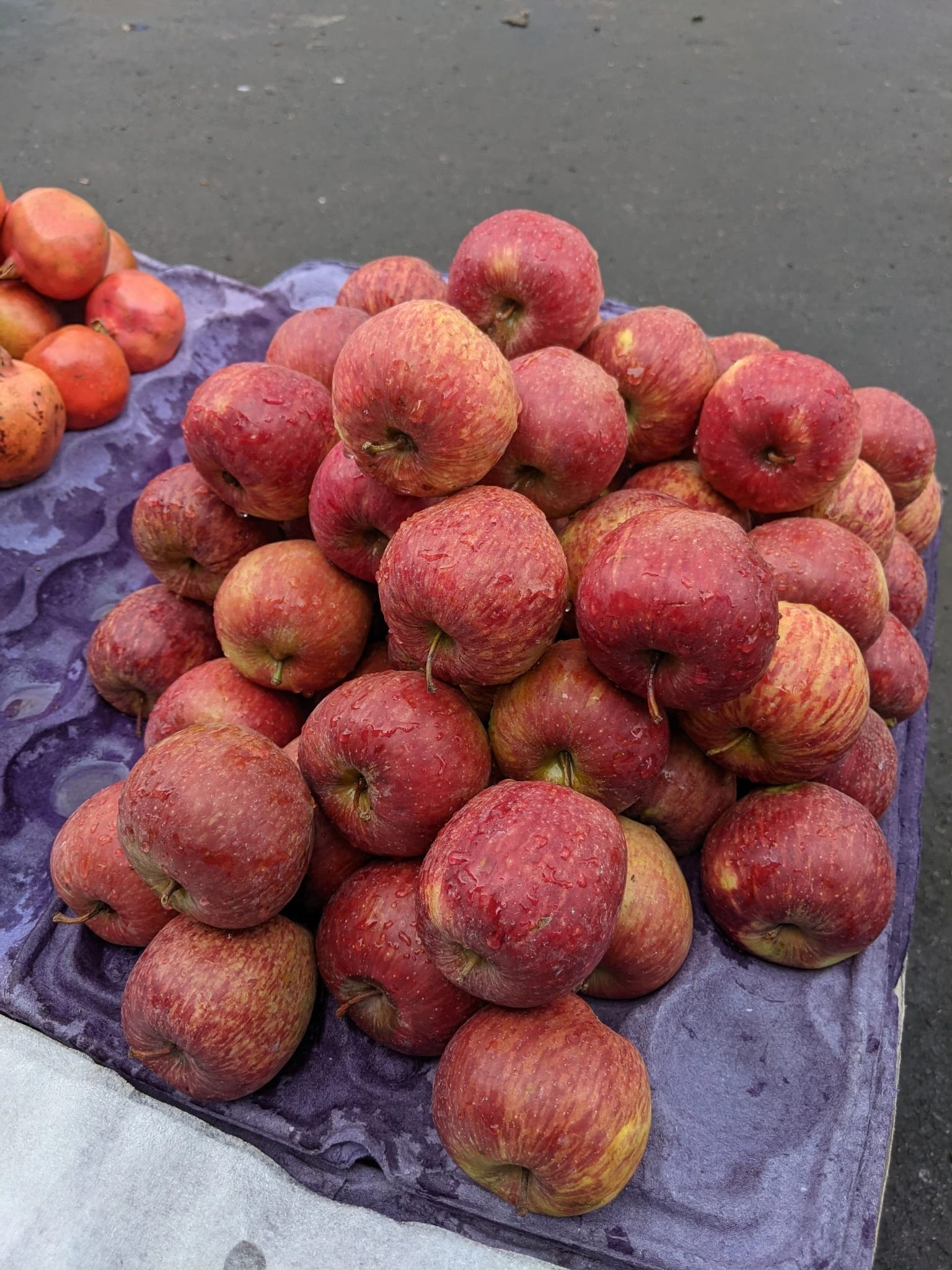
Kashmir produces around 70 percent of India's apples, and that production is spread across several distinct districts, each with its own character. Knowing where to go makes a real difference in what you experience.
Shopian is the district most closely associated with apple farming in Kashmir. Sometimes called the apple bowl of India, Shopian is essentially surrounded by orchards. The town itself is modest, but driving through the countryside during harvest is a striking experience. Rows of trees stretch across the hillsides, and you can often stop and buy fresh apples directly from farmers at roadside stalls. The drive from Srinagar to Shopian through the Pir Panjal foothills is scenic on its own and well worth the half-day trip.
Sopore in Baramulla district is another major apple hub, often referred to as the fruit bowl of Asia due to the sheer volume of produce that moves through its markets. The Sopore fruit mandi is one of the largest fruit markets in Asia and visiting during harvest season gives you a real sense of the scale of Kashmir's apple industry. Early mornings at the market are particularly lively.
Pulwama, already known for its saffron fields, also has significant apple orchards and offers a chance to combine two very distinct agricultural experiences in one visit. The area around Tral and Awantipora has clusters of orchards that are less visited by tourists and feel more authentic for that reason.
Pahalgam and its surrounding villages also have apple orchards that become especially beautiful in October when the leaves start turning. The combination of river views, pine forests, and apple trees in autumn color makes this one of the most photographed areas in the valley during that time.
For travelers staying in Srinagar, all of these regions are reachable as day trips, though Shopian and Pahalgam are the most comfortable for a single-day excursion.
Apple Season vs Other Times to Visit Kashmir: A Side-by-Side Look
Kashmir has something to offer in almost every season, and each period has its own appeal. Understanding how apple season stacks up against other peak travel windows helps you decide what kind of trip you are actually after.
Spring (March to May) is the most popular time to visit Kashmir for first-time travelers. The famous tulip gardens are in bloom, the air is crisp, and the mountains still carry snow while the valleys turn green. It is undeniably beautiful but also very crowded, with hotel prices at their highest and popular spots like Dal Lake and Gulmarg packed with visitors.
Summer (June to August) is peak tourist season. This is when families travel to Kashmir to escape the heat of northern India. Srinagar, Gulmarg, Pahalgam, and Sonamarg are all busy. The weather is pleasant but accommodation can be expensive and pre-booking is almost essential.
Apple season, or early autumn (September to October), offers a noticeably different experience. Crowds thin out significantly compared to summer. Prices for houseboats and hotels often drop. The light in September and October is softer and warmer, which photographers tend to prefer. You also get access to an experience, the working orchards, the harvest markets, the smell of fresh apples in roadside stalls, that simply does not exist at any other time of year.
Winter (November to February) brings heavy snowfall and extreme cold. Some roads close, certain guesthouses shut down, and travel requires more planning. It is the right season for skiers heading to Gulmarg, but not ideal for orchard visits or general sightseeing.
Here is a quick comparison to help frame your decision:
| Season | Crowd Level | Prices | Unique Experience | Weather |
|---|---|---|---|---|
| Spring | High | High | Tulip gardens, fresh blooms | Cool, pleasant |
| Summer | Very High | High | Green valleys, meadows | Warm to mild |
| Apple Season | Low to Moderate | Moderate | Orchards, harvest, autumn color | Mild, golden light |
| Winter | Low | Low to Moderate | Snow, skiing at Gulmarg | Cold, heavy snowfall |
For travelers who want a quieter, more local and off-the-beaten-path experience with genuine cultural texture, apple season is hard to beat. It combines natural beauty with real agricultural life in a way that few other destinations in India can match at this time of year.
What to Do During Kashmir Apple Season Beyond Orchard Visits
Apple season in Kashmir is not just about standing between rows of fruit-laden trees. The months of September and October open up a whole range of experiences that sit alongside the harvest and make a trip during this period genuinely worthwhile from start to finish.
Visit Local Apple Markets and Mandis
The wholesale apple markets, known locally as mandis, in Sopore and Shopian buzz with early morning activity during peak harvest. Watching traders sort, grade, and pack thousands of crates before sunrise is something most tourists never see. Arrive before 6 AM for the full spectacle. You can also buy directly from sellers at much lower prices than in tourist shops.
Try Apple-Based Local Food and Drinks
Kashmiri households and small roadside stalls prepare a range of apple-based foods during this season. Look out for:
- Fresh-pressed apple juice sold in glass bottles near orchard villages
- Apple murabba, a sweetened preserve made with whole small apples and spices
- Dried apple slices prepared for winter storage, often sold at local markets
- Apple-infused kahwa, a local variation served by some guesthouses in Shopian
Combine Orchard Visits With Autumn Trekking
September and October bring stable weather and cooler temperatures that make trekking in Kashmir exceptionally comfortable. The trails around Sonamarg, Yusmarg, and Doodhpathri pass through forest zones where the changing foliage adds colour to every walk. Several short treks starting from Pahalgam also pass near agricultural villages where you can stop and watch harvesting in progress.
Photograph the Colour Contrast
The combination of red-laden apple branches, golden chinar leaves, and snowcapped peaks in the distance creates a colour palette that is unlike anything Kashmir offers in other months. Photographers consistently rate October in the Wular and Lolab Valley regions among the best shooting windows of the entire year.
Stay With Local Farming Families
A small but growing number of families in Shopian, Lolab Valley, and the Wangath area near Gangabal offer homestay accommodation during harvest season. Staying with a farming family gives you direct access to orchard life, home-cooked Kashmiri meals, and an understanding of how apple farming shapes daily routines here. Booking through local travel operators in Srinagar is the most reliable way to arrange this.
How to Plan Your Kashmir Apple Season Trip in 2026
Planning a Kashmir trip around apple season requires a little more thought than a standard summer visit. Accommodation books up faster in October, some routes can get congested near harvest zones, and getting the timing right within the season matters depending on what you want to see.
Best Time Window Within Apple Season
For the fullest orchard experience, aim for the third week of September through the second week of October. Early September still sees some summer tourists, while late October begins to see post-harvest slowdown in many orchards. The sweet spot for colour, activity, and comfortable temperatures sits firmly in that three-week window.
Where to Base Yourself
| Base Location | Best For | Distance to Key Orchards |
|---|---|---|
| Srinagar | Day trips to Shopian, Sopore, and Wular | 60 to 90 minutes by road |
| Pahalgam | Trekking combined with orchard walks | 30 to 60 minutes to local orchards |
| Shopian Town | Immersive orchard and mandi experience | 5 to 20 minutes to major orchards |
| Lolab Valley Homestay | Off-the-beaten-path rural harvest stay | Walking distance from orchards |
Practical Planning Tips
- Book accommodation at least 6 to 8 weeks in advance for October stays in Srinagar and Pahalgam
- Hire a local driver who knows orchard villages, as GPS often fails on interior roads near Shopian and Lolab
- Carry cash, as many smaller orchard-side stalls and mandis do not accept digital payments
- Pack layers, morning temperatures in October regularly drop to 8 to 12 degrees Celsius in the valley
- Check the local harvest calendar with your guesthouse on arrival, as exact peak days vary by elevation each year
- Avoid renting a self-drive vehicle unless you are very familiar with narrow hill roads
How Many Days Do You Need
A focused apple season itinerary works well over 5 to 7 days. Use 2 days in Srinagar as your base, one full day in Shopian, one day in Sopore or Wular, and one day in Pahalgam for a trek that passes through orchard country. If you want to include Lolab Valley, add another full day with an overnight stay. Seven days gives you enough room to adjust if weather causes a short delay on any route.
Conclusion
Apple season in Kashmir, running from late August through October, is one of the most overlooked reasons to visit the valley. While summer crowds thin out and the first chill arrives, the orchards of Shopian, Sopore, Lolab Valley, and Pahalgam come alive with colour, activity, and a side of Kashmiri life that no other season reveals. The combination of harvest energy, autumn foliage, cooler trekking conditions, and quieter tourist numbers makes this window genuinely special for anyone willing to time their trip around it.
Whether you want to walk between apple-laden trees with a farming family, photograph the red-and-gold contrast of October mornings, or simply eat the freshest apples you have ever tasted straight off a branch, the Kashmir apple season delivers. If you are planning a trip and need help building an itinerary around the harvest calendar, the Kashmir Holidays team is available to help you get the details right, from orchard-side homestays to the best days to visit each growing region.
Frequently Asked Questions
When exactly does apple season start and end in Kashmir?
Apple season in Kashmir generally runs from late August through October. Early varieties ripen from August, while the main commercial harvest of Royal Delicious and Golden Delicious apples peaks between mid-September and mid-October. Higher elevation orchards may finish slightly earlier depending on weather conditions that year.
Which district in Kashmir is best for visiting apple orchards?
Shopian is widely considered the best district for orchard visits due to its high concentration of apple farms and easy access from Srinagar. Sopore in Baramulla district is the largest trading hub. Lolab Valley offers a more rural, off-the-beaten-path orchard experience with fewer tourists and beautiful surroundings.
Can tourists enter apple orchards freely during harvest season?
Most orchards are privately owned, so you cannot simply walk in without permission. However, many farming families welcome visitors, especially if you are staying in the area or arrive with a local guide. Homestay hosts and local drivers can usually arrange informal orchard visits and introductions to farming families without difficulty.
Is apple season a good time to visit Kashmir for general tourism?
Yes, apple season overlaps with one of the best overall periods to visit Kashmir. Autumn brings cooler temperatures, stunning foliage, fewer tourists than summer, and excellent trekking conditions. Srinagar's chinar trees also begin turning golden in October, making the combination of orchard and city sightseeing particularly rewarding during this time.
How much does it cost to buy apples directly from Kashmir orchards?
Prices vary by variety and season timing, but buying directly from farmers or at local mandis is significantly cheaper than purchasing from tourist shops or markets in Srinagar. During peak harvest, you can often buy a full carton of fresh apples for a fraction of what the same fruit costs in retail stores elsewhere in India.