
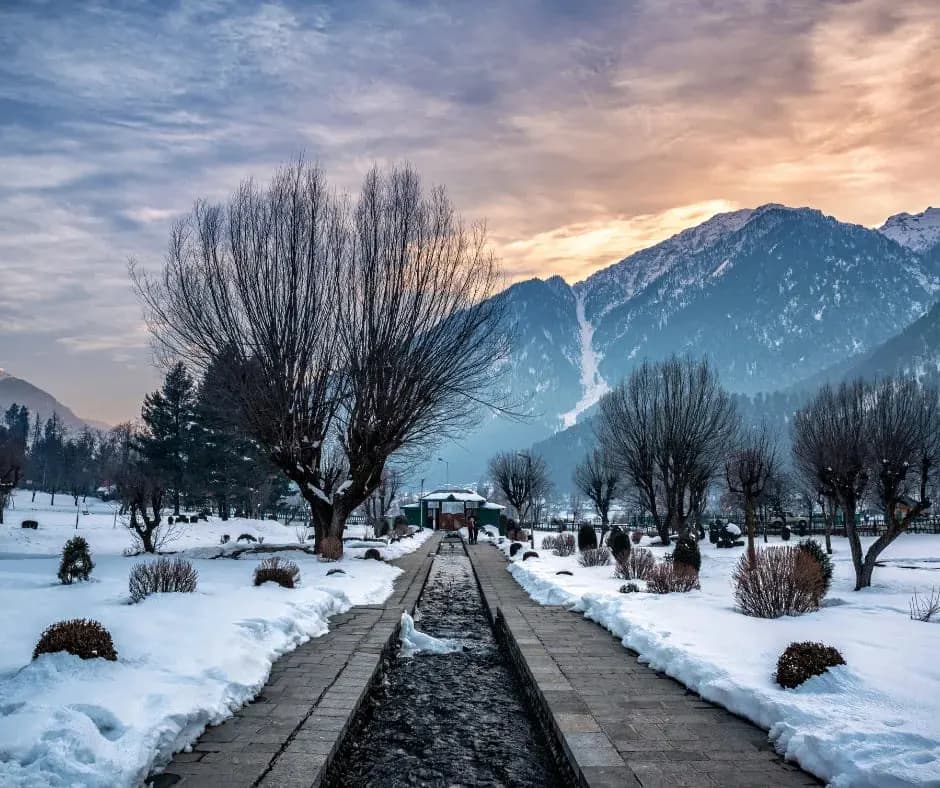
Jammu Kashmir First Snowfall is one of those travel moments people talk about for years after experiencing it. Fresh snow settling over Gulmarg's meadows, Dal Lake wrapped in a cold morning mist, and the Himalayan peaks turning a brilliant white overnight- it is a sight that no photograph fully captures. But knowing when it happens, where it hits first, and how it affects your travel plans can make the difference between a dream trip and a stressful one.
When Does the First Snowfall Actually Happen in Jammu Kashmir
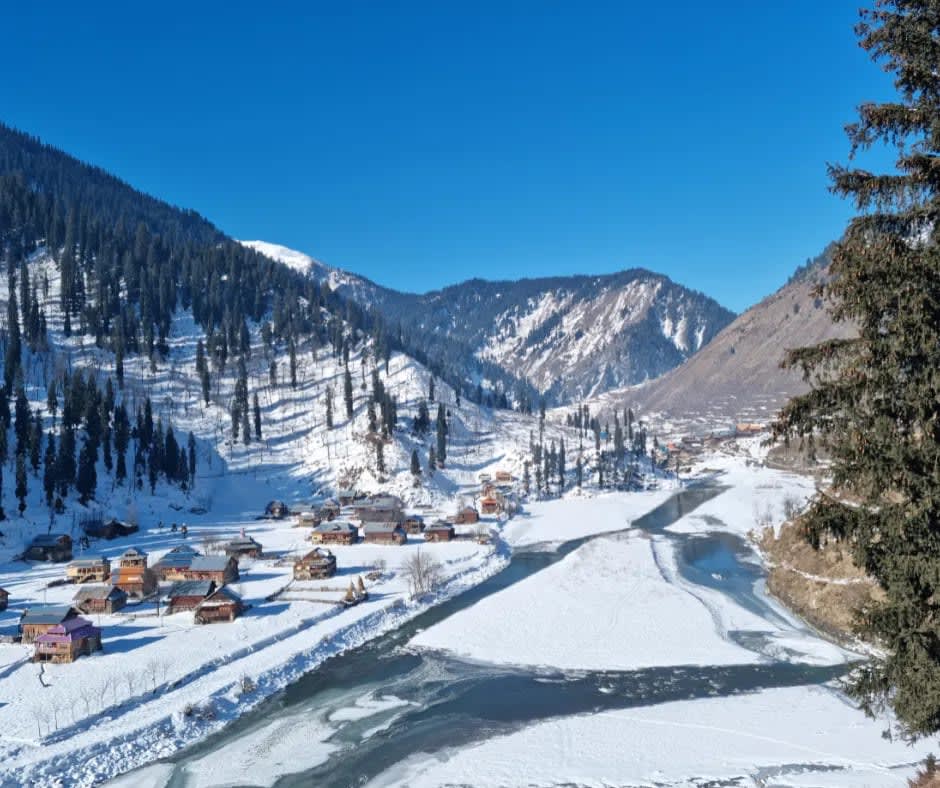
This is the question every traveler asks, and the honest answer is that it depends on where in Jammu Kashmir you are headed. The region spans a wide range of altitudes and microclimates, so snowfall doesn't arrive everywhere at the same time.
At the higher altitudes, places like Gulmarg, Sonamarg, and the upper reaches of the Zoji La Pass, the first snowfall typically arrives in October. In fact, Gulmarg, which sits at around 2,650 meters above sea level, sometimes sees its first dusting of snow as early as late September. By mid-October, snowfall there can be substantial enough to affect road access and close certain trekking routes.
Srinagar city, sitting at roughly 1,585 meters in the Kashmir Valley, usually receives its first snowfall in December, though some years it comes in late November. When Srinagar gets its first snow, it tends to be a light snowfall that melts within a day or two, but it signals clearly that winter has arrived in the valley.
The Jammu region, being significantly lower in altitude and more temperate in climate, rarely sees snowfall in the city itself. Snow in Jammu division is largely confined to the higher hill areas like Patnitop and Bhaderwah, where the first snowfall can happen anywhere between November and January depending on the year.
It is also worth noting that Kashmir's snowfall timing is not perfectly predictable year to year. Climate patterns have shifted noticeably over the past decade. Some winters bring early, heavy snowfall in October. Others are unusually dry until January. Checking weather forecasts from local sources and staying updated through reliable travel advisories in the weeks before your trip is genuinely important, not just a suggestion.
One local term worth knowing is Chillai Kalan, the harshest 40-day winter period in Kashmir that runs from late December to late January. The first snowfall often marks the beginning of the journey toward this intense winter phase, and travelers planning trips around or during Chillai Kalan need to prepare accordingly.
To understand Jammu Kashmir First Snowfall: What Travelers Must Know, it helps to compare what you see in the data and what action you need to take next.
How First Snowfall Changes Travel Conditions on the Ground
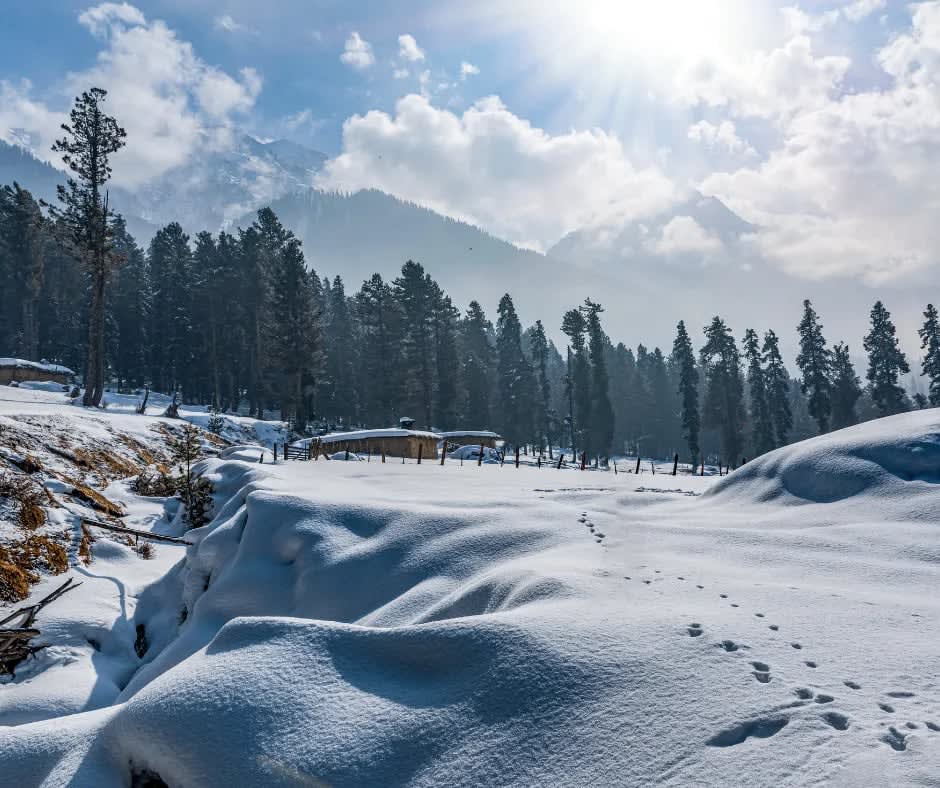
Snowfall in Kashmir is beautiful, but it does bring very real and immediate changes to travel conditions that every visitor needs to understand before arrival.
Road access is the biggest concern. Several of the most popular routes in Jammu and Kashmir are mountain roads that become challenging or completely impassable after significant snowfall. The Srinagar-Leh Highway via Zoji La is typically closed by November and remains shut until May or June. The Mughal Road connecting Shopian to Poonch is another route that closes early in the season. Even within the Kashmir Valley, connecting roads to Gulmarg, Pahalgam, and Sonamarg can be blocked temporarily after heavy overnight snowfall, sometimes reopening the same day and sometimes taking longer.
Flights are occasionally affected. Srinagar's airport sits in the valley and can experience fog and low visibility during and immediately after snowfall. Delays and cancellations do happen. Travelers should build flexibility into their itinerary, avoiding tight connection timings and having a backup plan for an extra night in Srinagar if needed.
Accommodation availability shifts. Some guesthouses, budget hotels, and camps in high-altitude areas like Sonamarg operate only during the summer and monsoon season and close entirely once serious snowfall begins. Gulmarg, on the other hand, actually gains in popularity during snowfall season because of skiing, so accommodation there gets booked up fast. Planning and reserving accommodation well in advance is essential once snowfall starts.
Daily life slows down, and that is part of the experience. Markets open later, some local restaurants reduce their hours, and the general pace of the valley during snowfall is quieter and more intimate. Travelers who embrace this rather than fight it often find the first-snowfall experience deeply rewarding. Sipping noon chai by a bukhari fire while snow falls outside a Srinagar guesthouse window is as authentic a Kashmir experience as any summer shikara ride.
It is also wise to pack appropriately. Thermal layers, waterproof footwear with grip, good quality gloves, and a windproof outer jacket are not optional during snowfall season. Roads and pathways become slippery quickly, and temperatures at night in higher areas can drop well below freezing.
First Snowfall Destinations Compared: Which One Should You Visit
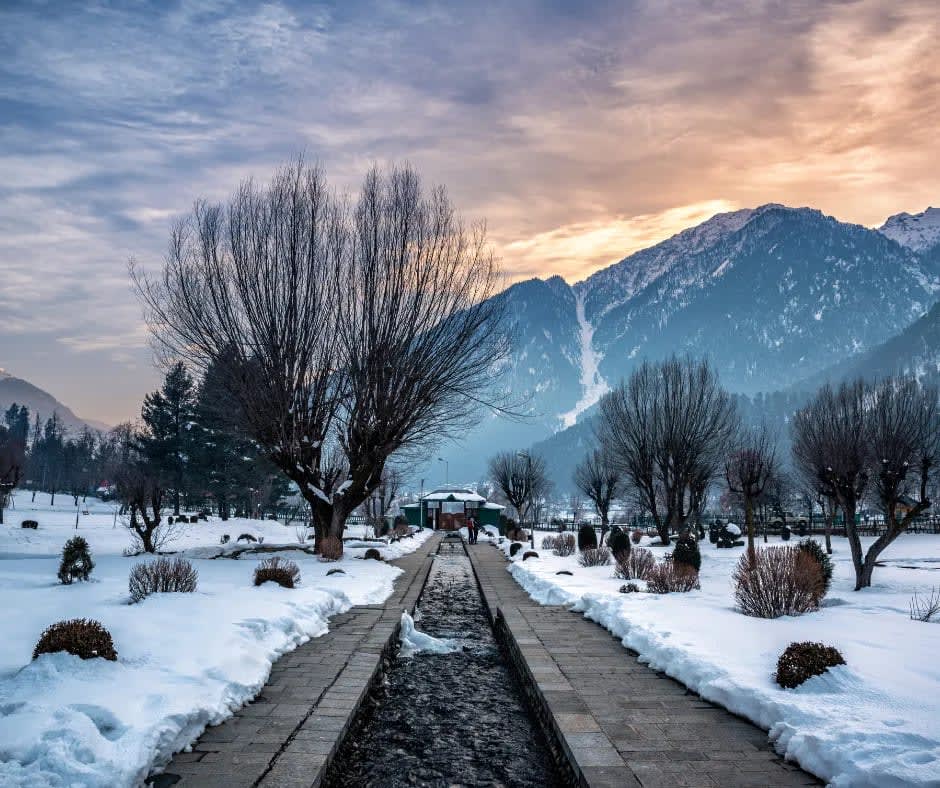
Not every destination in Jammu Kashmir offers the same experience during or after the first snowfall. Choosing the right one based on your travel style, fitness level, and tolerance for disruption is worth thinking through carefully.
Gulmarg is the most popular choice for a reason. It is purpose-built for winter tourism, with the Gulmarg Gondola operating through most of the snow season and a well-developed skiing infrastructure. First snowfall here draws both domestic and international visitors who want to witness the transformation of the meadows. Accommodation options range from budget guesthouses to premium properties. Gulmarg is ideal for travelers who want snowfall with convenience and activities.
Srinagar during first snowfall offers a different, quieter kind of magic. The city's Mughal gardens dusted with snow, the wooden architecture of the old city looking especially atmospheric in winter light, and the Dal Lake houseboat experience with a bukhari for warmth- this is a more intimate and cultural snowfall experience. It suits travelers who prefer exploring local life over outdoor adventure. Connectivity and facilities remain good even during snowfall here.
Pahalgam sits at a middle altitude and gets its first significant snowfall typically in November or December. The Betaab Valley and Aru Valley near Pahalgam become strikingly beautiful after snowfall, but some areas become harder to reach. Pahalgam during early snowfall is a good choice for travelers who want scenic beauty without the full intensity of a high-altitude winter. It is quieter than Gulmarg and less touristy during this period.
Sonamarg is largely inaccessible for casual tourists once serious snowfall arrives, as it sits on the route toward Zoji La and the highway closes. However, early-season snowfall in October, before the route closes, makes Sonamarg one of the most dramatically beautiful spots in all of Kashmir. The timing window is narrow, so this destination suits adventurous travelers who can monitor conditions closely and move quickly.
Patnitop in Jammu division is often overlooked by travelers focused entirely on the Kashmir Valley, but it offers an accessible, family-friendly snowfall experience without the higher-altitude challenges. Situated on the Jammu-Srinagar National Highway, Patnitop sees snow typically between December and February and is well connected to Jammu city.
What to Pack for Your First Snowfall Trip to Kashmir
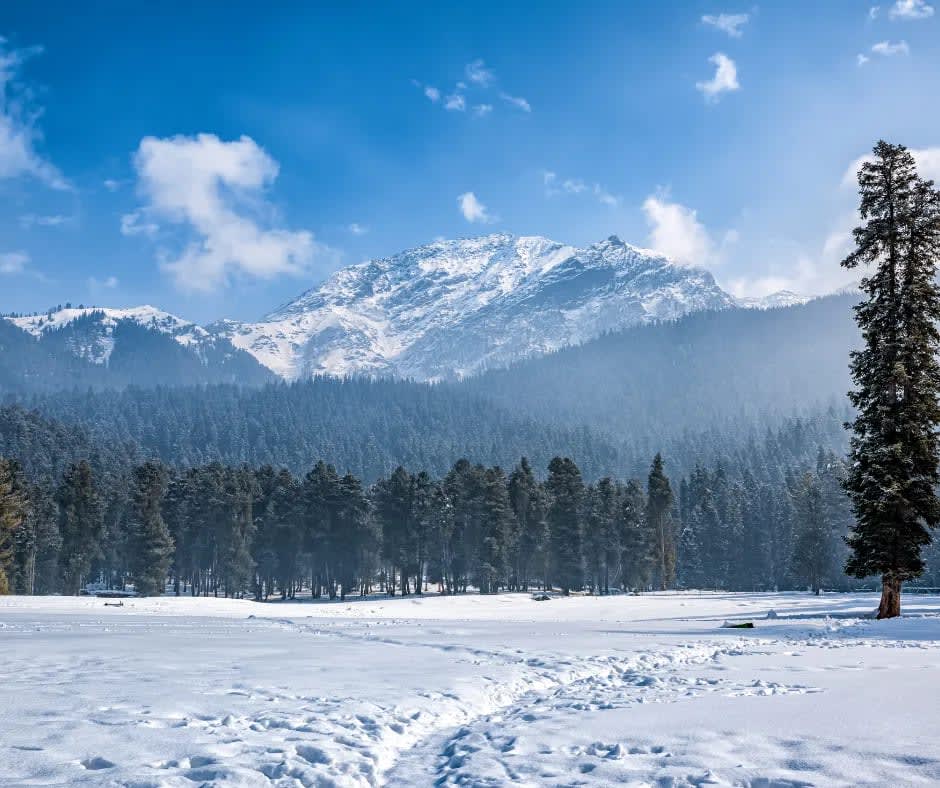
Packing correctly for a first snowfall trip to Jammu Kashmir is not about bringing the heaviest coat you own. Temperatures during early snowfall can swing significantly between daytime and night, so layering smartly is far more useful than overpacking bulky items. Knowing what works in Kashmir's specific cold, wet conditions helps you stay comfortable without dragging oversized luggage through airports and houseboats.
Here is what experienced Kashmir travelers recommend for a first snowfall visit:
- Thermal base layers: Moisture-wicking thermals for both upper and lower body form the foundation of any cold-weather kit. These keep you warm even when outer layers get damp from snow.
- Mid-layer fleece or down jacket: A packable down jacket or thick fleece is essential. Temperatures in Gulmarg and Sonamarg can drop to minus five degrees Celsius or lower during early winter nights.
- Waterproof outer shell: Snow during early season can be wet and slushy. A windproof, waterproof jacket and trousers keep you dry when walking through snowfall or sitting on a snow-covered slope.
- Waterproof trekking boots: Ankle-high waterproof boots with grip soles are non-negotiable. Snow hides ice patches and uneven terrain, so solid footwear protects against slips and wet feet.
- Wool socks and gloves: Cotton socks lose insulation when wet. Wool or synthetic thermal socks are far more practical. Pack two to three pairs of gloves, including one waterproof outer glove.
- Balaclava and warm hat: Wind chill at higher altitudes makes exposed skin uncomfortable quickly. A balaclava that covers ears and neck adds meaningful warmth without much bulk.
- Sunglasses or snow goggles: Reflected glare off fresh snow is intense even on overcast days. UV-protective eyewear prevents eye strain and snow blindness during longer outdoor sessions.
- Hand warmers and a small first aid kit: Disposable hand warmers are light and reassuring. A basic kit with altitude sickness tablets, pain relievers, and bandages is always worth carrying into mountain zones.
- Portable power bank: Cold weather drains phone batteries rapidly. A high-capacity power bank keeps cameras and navigation apps running throughout the day.
Houseboat stays on Dal Lake require slightly different preparation. Houseboats are heated internally, but the open deck area in the morning is bitterly cold. Bring slippers and a warm robe for indoor comfort, since removing snow boots constantly throughout the day gets tiring.
Booking, Budgeting, and Timing Your First Snowfall Trip Right
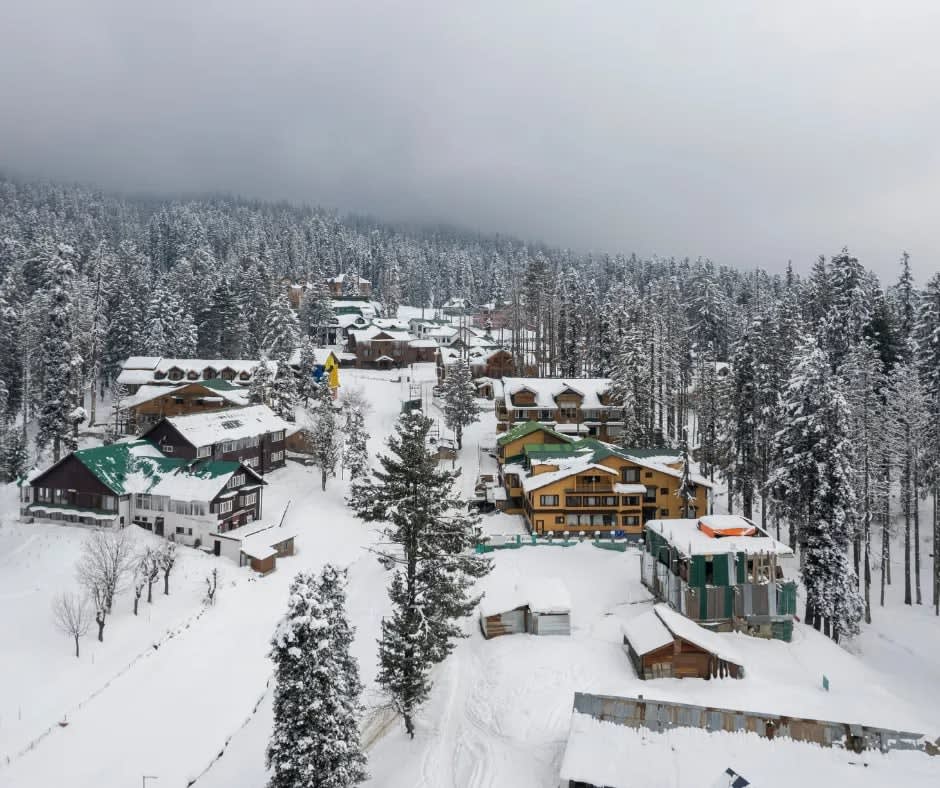
Timing a first snowfall trip to Kashmir involves a degree of uncertainty that experienced travelers plan around rather than fight against. Snowfall is not an event you can schedule like a flight. What you can control is your booking flexibility, your budget buffer, and the window of dates you choose to travel within.
The most important rule for first snowfall travel is to book refundable or flexible accommodations wherever possible. Hotels and houseboat operators in Srinagar generally offer more flexible cancellation policies in November and December compared to the peak summer season. This allows you to shift dates by a few days if weather forecasts show a stronger snowfall window approaching.
Here is a general breakdown of what to expect cost-wise during the first snowfall season:
| Expense Category | Early Season (Nov, Dec) | Peak Winter (Jan, Feb) |
|---|---|---|
| Houseboat (per night) | INR 2,500 to 5,000 | INR 1,800 to 4,000 |
| Hotel in Srinagar (mid-range) | INR 2,000 to 4,500 | INR 1,500 to 3,500 |
| Gulmarg resort or guesthouse | INR 3,500 to 8,000 | INR 5,000 to 15,000 |
| Gondola ride (Gulmarg Phase 1) | INR 740 to 900 | INR 740 to 900 |
| Private cab Srinagar to Gulmarg | INR 1,200 to 1,800 | INR 1,200 to 2,000 |
| Shikara ride on Dal Lake | INR 300 to 800 | INR 300 to 700 |
A few practical booking tips worth keeping in mind:
- Fly into Srinagar directly: Srinagar Airport connects well with Delhi, Mumbai, and Bengaluru. Road routes from Jammu via the Jammu-Srinagar National Highway can be affected by snowfall closures, so flying removes that uncertainty entirely.
- Keep a buffer day at the start and end: Arriving a day early gives you time to acclimatize and check road conditions before heading to Gulmarg or Pahalgam. A buffer day before departure prevents missed flights due to unexpected road delays.
- Book accommodation before travel, not on arrival: Early snowfall draws spontaneous travelers,s and good properties fill up quickly. Reserving at least one week ahead, especially for Gulmarg, prevents poor last-minute choices.
- Monitor weather forecasts actively: The India Meteorological Department publishes Jammu and Kashmir forecasts regularly. Local travel communities and guides on social platforms often post real-time snowfall updates that are more current than formal forecasts.
- Travel insurance is not optional: Trip interruption coverage is genuinely useful during snowfall season. Flight cancellations, road closures, and hotel changes happen more frequently in winter than in summer.
Conclusion
Jammu Kashmir First Snowfall transforms the region into something that photographs simply cannot capture fully. The quiet that settles over Srinagar's gardens, the white slopes appearing above Gulmarg's treeline, and the cold clarity of mountain air after a fresh fall are experiences that stay with travelers long after they return home. Planning for this kind of trip requires flexibility rather than rigid itineraries, good gear rather than heavy luggage, and realistic expectations about road conditions and connectivity.
Whether you are a first-time visitor drawn by the romance of snow-covered houseboats or an experienced Kashmir traveler chasing that early powder window in Gulmarg, the key is arriving prepared and staying adaptable. Kashmir Holidays provides destination-specific guides, seasonal updates, and practical local insights to help you plan a first snowfall trip that matches both your expectations and the reality on the ground. Start planning early, pack smart, and let Kashmir's winter do the rest.
Frequently Asked Questions
When is the first snowfall in Jammu Kashmir typically expected?
Higher altitudes like Gulmarg and Sonamarg usually receive their first snowfall between late October and mid-November. Srinagar city typically sees its first snowfall between December and January. Exact timing varies each year depending on western disturbances moving across the Himalayas during autumn and early winter.
Is it safe to travel to Kashmir during the first snowfall season?
Travel during first snowfall is generally safe with proper planning. Roads to higher destinations like Gulmarg and Sonamarg may close temporarily after heavy falls. Flying into Srinagar eliminates the highway risk. Staying updated on road conditions daily and carrying winter gear ensures a safe and comfortable experience throughout the trip.
Which is the best place to experience first snowfall in Kashmir?
Gulmarg offers the most dramatic first snowfall experience due to its elevation and ski infrastructure. Pahalgam provides a quieter, more accessible snowfall setting surrounded by pine forests. Srinagar offers a cultural snowfall experience with snow-dusted Mughal gardens and Dal Lake views, making it ideal for travelers who prefer comfort alongside winter scenery.
What should I wear during my Kashmir snowfall trip?
Layer your clothing with moisture-wicking thermals as a base, a fleece or down jacket as a mid-layer, and a waterproof outer shell. Waterproof trekking boots with good grip are essential. Add wool socks, insulated gloves, a warm hat, and UV-protective sunglasses to handle both cold temperatures and reflected snow glare comfortably.