Kangri in Kashmir: What Every Traveler Should Know
Kashmir Holidays··
If you are planning a trip to Kashmir, especially during the winter months, you will almost certainly come across the kangri, one of the most iconic and personal objects in everyday Kashmiri life. This small, beautifully crafted fire pot is far more than a heating device. It is a cultural identity, a conversation starter, and a window into the soul of Kashmir that no guidebook should leave out.
What Is a Kangri? The Iconic Fire Pot of Kashmir Explained
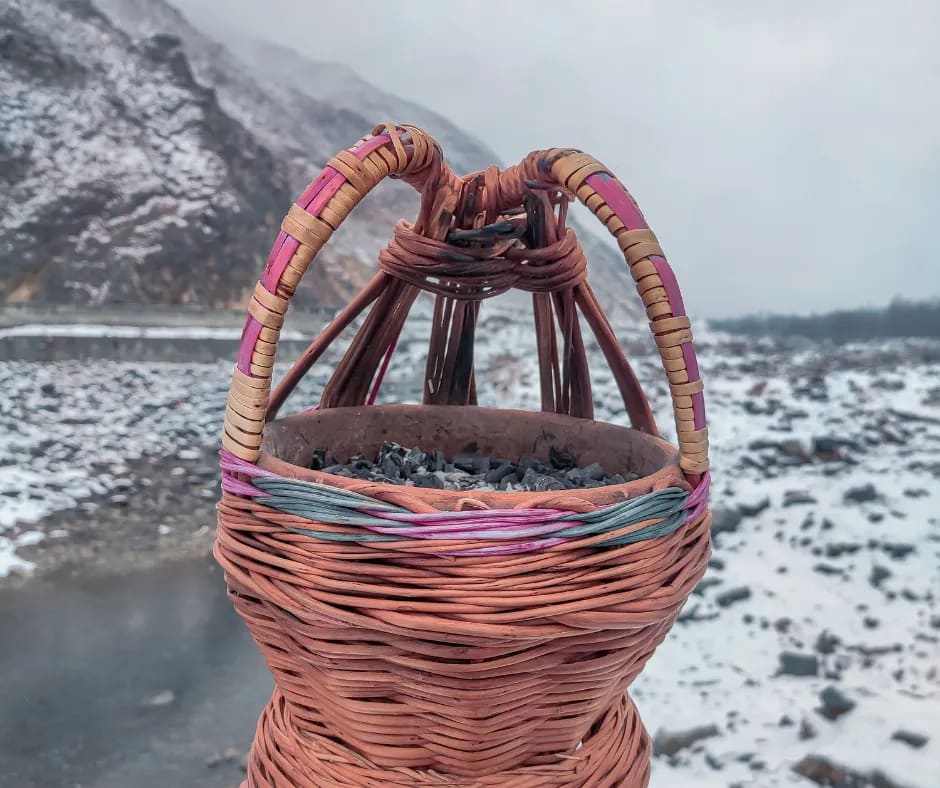
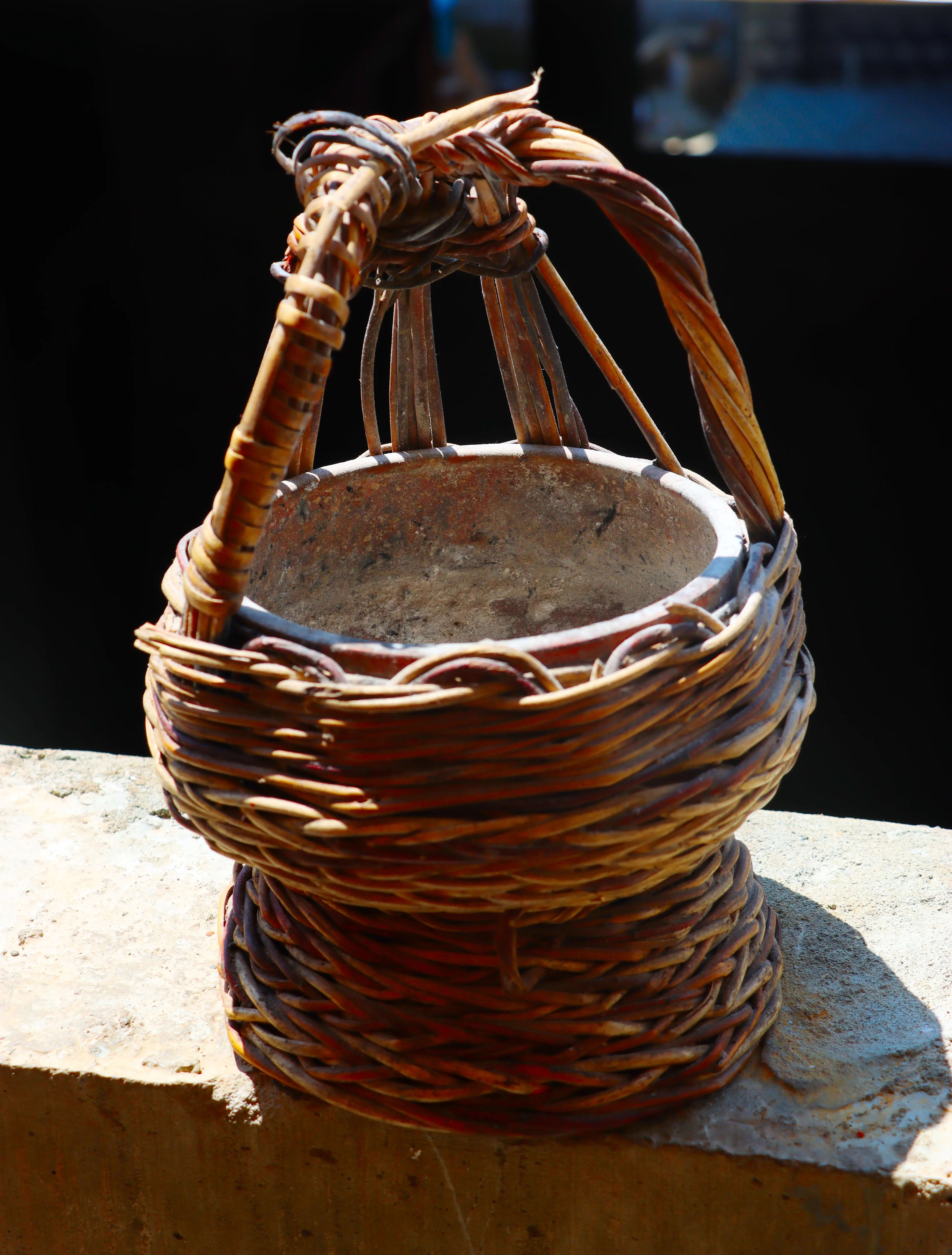
A kangri is a small, portable firepot traditionally used across the Kashmir Valley to stay warm during the bitterly cold winter months. At its core, it is a clay pot filled with burning charcoal, encased in a wicker or woven willow shell that is shaped like a rounded basket. The design is simple but brilliantly practical. The outer wicker casing insulates the heat, makes the pot safe to hold close to the body, and gives artisans the opportunity to add intricate patterns and decorative work that reflect Kashmiri craftsmanship.
The kangri is typically carried under the loose woolen cloak known as a pheran, which drapes over the body and traps the warmth radiating from the firepot. Together, the pheran and kangri form a pairing so deeply woven into Kashmiri winter life that locals often refer to them in the same breath. The kangri is held with both hands, pressed against the abdomen or chest, and kept close throughout the day whether a person is at home, walking through the market, or sitting with neighbors for morning tea.
The charcoal used inside the kangri is typically made from specific wood sources, with charcoal from walnut or chinar wood being preferred for its slow, steady burn and minimal smoke. A well-prepared kangri can stay warm for several hours, making it a reliable and cost-effective source of personal heat in a region where winter temperatures frequently drop below freezing, especially in areas like Gulmarg, Pahalgam, and even Srinagar itself.
For travelers visiting Kashmir in winter, spotting a local cradling a kangri under their pheran is one of those authentic moments that stays with you long after you return home.
The History and Cultural Significance of the Kangri in KashmirImage Source : Wikipedia
The origins of the kangri stretch back several centuries, and while historians debate the precise timeline, it is widely accepted that the kangri has been in use in the Kashmir Valley for at least five hundred years. Some accounts trace its roots to Central Asian influences that arrived in Kashmir through trade routes and migrations, while others point to local ingenuity shaped by the region's extreme winters and the need for a portable, personal heating solution.
What makes the kangri remarkable is not just its age but the way it has remained essentially unchanged over generations. In a world where technology replaces tradition at a rapid pace, Kashmiri families still wake up on cold mornings, light their kangri, and go about their day in the same way their grandparents and great-grandparents did. There is something deeply reassuring about that continuity, and for visitors, it makes the kangri feel less like an artifact and more like a living piece of history.
Culturally, the kangri occupies a place that goes well beyond warmth. It is present at almost every significant moment in a Kashmiri's life. Weddings, funerals, festivals, and quiet evenings at home all feature the kangri in some form. Elders pass them to younger family members as gifts. Mothers warm their infants near them. Friends gather around the collective heat of multiple kangris during long winter conversations over kahwa, the saffron-infused Kashmiri green tea.
The kangri has also found its place in Kashmiri poetry, folklore, and music. Poets have used it as a symbol of warmth, intimacy, and longing. In many Kashmiri folk songs, the kangri represents home itself, a reference point for belonging and comfort that resonates deeply with a community that has seen considerable hardship and displacement over decades.
There is, however, a health dimension to the kangri's cultural story that locals and doctors have discussed openly for years. Prolonged direct contact with the kangri, particularly when held too close to the skin under the pheran, has been associated with a skin condition called kangri cancer or kangri dal, a form of squamous cell carcinoma caused by chronic heat exposure. This health concern has led to public awareness campaigns in the Valley, and many Kashmiris, especially younger generations, are now more cautious about direct skin contact. It is an important part of the kangri's story and reflects the honest, complicated relationship communities have with deeply embedded traditions.
Despite this, the kangri has not disappeared. If anything, its cultural status has grown more symbolic with time, a marker of Kashmiri identity that residents carry with quiet pride regardless of where they are in the world.
Types of Kangri Available in Kashmir: From Basic to DecorativeImage Source : Wikipedia
Not all kangris are created equal. The kangri you find in a village market near Sopore will look very different from one displayed in a craft shop in Srinagar's old city. At the most basic level, everyday kangris are made from unglazed earthenware pots woven into a willow basket frame. These are sturdy, affordable, and built purely for function. Local Kashmiris use these daily through the winter months, and they are replaced every season without much ceremony. Prices for these basic versions start as low as Rs 100 to Rs 200, making them accessible to almost everyone.
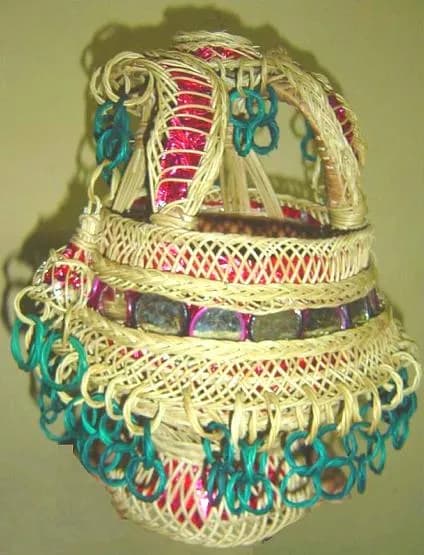
Moving up from there, you will find decorative kangris that are crafted with far more attention to detail. Artisans in areas like Naseem Bagh and the lanes around Jamia Masjid produce kangris wrapped in intricate wicker patterns, colored thread work, and even metallic wire designs. These are popular as souvenirs and gifts. At the top end of the market sit collector-grade kangris featuring hand-painted earthen pots, silver or copper embellishments, and basket weaving so fine it resembles lacework. Some of these can cost anywhere from Rs 800 to several thousand rupees depending on the craftsmanship involved.
Below is a quick comparison of the main types you are likely to encounter during your visit:
Type
Material
Best For
Approximate Price (INR)
Basic Utility Kangri
Plain earthenware, simple willow
Daily winter warmth
Rs 100 - Rs 250
Medium Craft Kangri
Decorated wicker, colored threads
Souvenirs, light gifting
Rs 300 - Rs 800
Premium Decorative Kangri
Hand-painted pot, fine weaving
Collector pieces, premium gifts
Rs 900 - Rs 3,000+
Silver or Metal-Embellished Kangri
Earthenware with metal detailing
Display, gifting, luxury purchases
Rs 2,000 - Rs 8,000+
Where to Buy an Authentic Kangri in Kashmir in 2026
Finding a genuine kangri is easy once you know where to look, but the location matters if you want fair pricing and good quality. The most reliable places to buy authentic kangris in Srinagar are the local bazaars of the old city, particularly around Maharaj Gunj, Bohri Kadal, and Zaina Kadal. These markets cater primarily to local buyers rather than tourists, which means both quality and pricing are more honest. Weekend markets near Dal Lake also stock kangris during the winter season, typically from October through March.
For travelers who prefer a more curated shopping experience, the Emporium run by the Jammu and Kashmir government in Srinagar stocks certified handicrafts including decorative kangris. Craft clusters in areas like Zadibal and Safakadal are home to families who have been making kangris for generations and often welcome visitors who want to watch the weaving process up close. If you are traveling to areas like Pahalgam or Gulmarg, smaller roadside shops also sell kangris, though selection there tends to lean toward tourist-friendly decorative pieces rather than utility versions.
Maharaj Gunj and Bohri Kadal, Srinagar: Best for local-use kangris at honest prices
Old City lanes near Jamia Masjid: Mix of utility and decorative options
Government Emporium, Srinagar: Certified quality, good for premium decorative kangris
Craft workshops in Zadibal: Buy directly from makers, option to watch production
Pahalgam and Gulmarg market stalls: Convenient but mostly tourist-grade pieces
Dal Lake floating markets (winter season): Atmospheric buying experience, fair prices
How to Use a Kangri Safely: A Step-by-Step Guide for Travelers
Using a kangri for the first time can feel straightforward, but there are real safety considerations that travelers should understand before tucking one under their pheran or holding it close to their body. The traditional way to prepare a kangri is to fill the earthen pot with live charcoal, never raw wood or synthetic fuel. Charcoal burns slowly with low flame and produces far less smoke than other materials. In Srinagar, you can buy ready-lit charcoal from small vendors in the old city, saving you the effort of lighting it yourself. Always wait until the charcoal turns grey on the outside before using the kangri under clothing, which signals it has moved past the initial high-smoke phase.
Proper handling technique matters a great deal. Hold the kangri by the wicker basket rather than directly by the rim of the pot. Keep it a few inches away from fabric when first lit, and never place it directly on a mattress, wooden surface, or synthetic material. When used under a pheran, the garment creates a natural tent that traps warmth without the kangri touching skin. Ventilate any room where a kangri is burning, as carbon monoxide buildup in a sealed space is a serious risk that has caused tragedies in Kashmir. Always extinguish charcoal fully before sleeping or placing the kangri indoors overnight.
Use only charcoal, not wood, paper, or synthetic fuel
Wait for charcoal to turn grey before placing the kangri under clothing
Hold the basket frame, never the hot clay pot directly
Keep a safe distance from synthetic fabrics and bedding
Never use a kangri in a fully sealed, unventilated room
Extinguish completely before sleeping or leaving unattended
Keep away from children unless directly supervised
Carry the kangri upright to prevent ash or ember spillage
The Kangri in Your Kashmir Itinerary: When and Where It Matters Most
Knowing about the kangri is one thing, but understanding exactly when and where it becomes relevant during your Kashmir trip helps you plan more practically. Not every traveler will need one, but for those visiting during the colder months, a kangri can genuinely change the quality of your experience, especially in locations where central heating is limited or absent.
Best Months to Carry or Use a Kangri
The kangri season in Kashmir typically runs from October through March, with peak usage falling between December and February. Here is a quick breakdown of how temperatures shift and when the kangri becomes most useful:
Month
Average Temperature (Srinagar)
Kangri Usefulness
October
5°C to 18°C
Useful in mornings and evenings
November
0°C to 12°C
Highly recommended
December
-4°C to 6°C
Essential for outdoor time
January
-6°C to 2°C
Essential, especially during Chilla-i-Kalan
February
-4°C to 7°C
Very useful, especially after snowfall
March
2°C to 14°C
Occasionally useful in early weeks
Where the Kangri Experience Feels Most Authentic
Certain destinations and settings in Kashmir make the kangri experience far more meaningful than simply warming your hands at a hotel. These are the places and moments where carrying or using one feels most natural:
Dal Lake houseboats: Staying on a traditional houseboat during winter is one of the most memorable experiences in Kashmir, and sharing a kangri with your houseboat host while floating on the icy lake is genuinely unique.
Old City Srinagar: Walking through the narrow lanes of the old city during winter, you will see locals huddled with their kangris while vendors brew kahwa and children head to school. It is everyday life here, and you can be part of it.
Gulmarg: At altitudes above 2,600 meters, the cold is sharp even during daylight. A kangri kept under a wool pheran while waiting for the gondola or watching skiers is a practical and very local choice.
Village homestays in Pahalgam or Sonamarg: Rural hosts will often hand you a kangri when you arrive. This gesture of warmth is deeply rooted in Kashmiri hospitality and should be accepted with both hands and a thank you.
Local wazwan dinners: If you are lucky enough to attend a traditional Kashmiri feast in winter, kangris are passed around before and after the meal. It is part of the social fabric of the evening.
Practical Tips for Travelers Carrying a Kangri
Buy your kangri early in your trip so you can use it across multiple days rather than just on departure day.
Ask your hotel or houseboat staff to help you light it correctly the first time, most locals are happy to demonstrate.
Pack a small cloth or towel to rest the kangri on when setting it down on wooden or carpeted floors.
If you plan to fly home with a decorative kangri, empty it completely, clean it thoroughly, and pack it in checked luggage wrapped in thick clothing for protection.
Do not leave a lit kangri unattended in any enclosed space, especially in wooden houseboat interiors.
Conclusion
The kangri is far more than a winter accessory in Kashmir. It is a living piece of culture, a conversation starter, a symbol of resilience in one of the coldest regions of India, and one of the most personal souvenirs you can carry home from a Kashmir trip. Whether you use one during a misty morning on Dal Lake, warm your hands while walking through the old bazaars of Srinagar, or simply display a hand-painted decorative version on a shelf at home, the kangri connects you to something deeply and distinctly Kashmiri. For travelers visiting between October and March, understanding how to choose, use, and respect this small clay fire pot adds real depth to the experience.
Planning a winter trip and wondering how to make the most of every cold, beautiful day in the valley? Kashmir Holidays has detailed guides covering everything from houseboat stays and Gulmarg snow activities to local food experiences and packing tips for winter travel. Use the information here as your starting point, speak to locals, accept every kangri offered to you with warmth, and let one of Kashmir's most enduring traditions become a personal memory you carry long after the embers cool.
Frequently Asked Questions
Can tourists buy and take a kangri back home as a souvenir?
Yes, tourists can absolutely buy a kangri as a souvenir. Decorative kangris with painted or lacquered wicker work are sold across Srinagar's markets specifically for this purpose. For air travel, ensure the kangri is completely empty, free of ash, and packed securely in checked baggage to avoid damage or issues at security.
Is using a kangri safe inside a houseboat or closed room?
Using a kangri in enclosed spaces requires caution. Carbon monoxide buildup from burning charcoal is a real risk if ventilation is poor. Always ensure a window or door allows fresh air circulation, never sleep with a lit kangri nearby, and follow guidance from your houseboat host who will be familiar with safe indoor usage practices.
How long does a fully loaded kangri stay warm?
A properly loaded kangri filled with good quality charcoal typically stays warm for four to six hours. The duration depends on charcoal quality, how tightly it is packed, and ambient temperature. In very cold conditions locals often reload or top up the kangri midday to maintain warmth through the afternoon and evening hours.
What is the price range for a kangri in Kashmir in 2026?
Basic functional kangris start at around 150 to 300 rupees. Mid-range models with simple wicker casing cost between 400 and 800 rupees. Decorative or artisanal kangris featuring painted clay, intricate lacework, or fine willow weaving can range from 1,000 to 3,500 rupees depending on craftsmanship and where you purchase them.
Do Kashmiris use the kangri every day during winter?
Yes, for most local Kashmiris the kangri is a daily essential from late October through February. It is carried under the traditional pheran cloak throughout the day, used at home, in markets, at offices, and even in schools. For many families it remains the primary personal heating method during the harshest winter months.
Planning A Kashmir Trip?
Let our local experts build you a personalized itinerary. Free, with no commitment.