
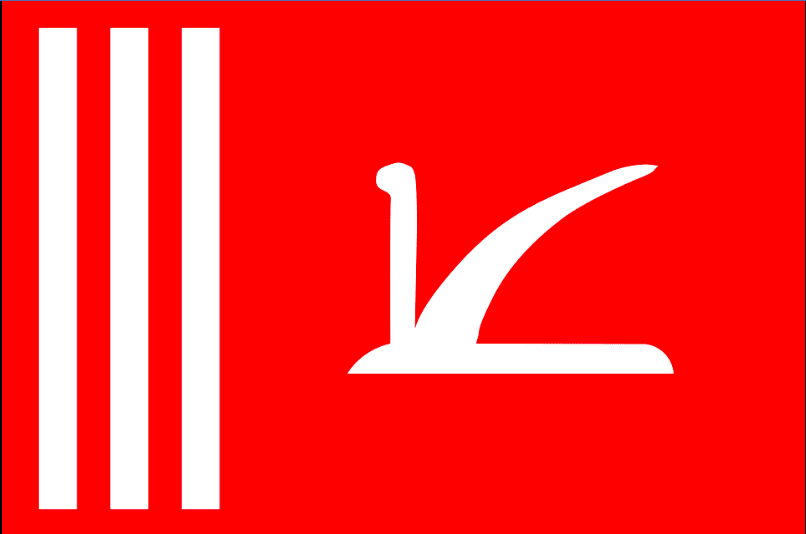
The Kashmir flag is one of the most recognized symbols tied to the region's rich political and cultural identity, yet many people know very little about what it actually represents.
Understanding these flags matters for travelers, history enthusiasts, and anyone curious about Kashmir's complex past and present.
This article covers the history, colors, symbols, political context, and what every visitor should know before traveling to Kashmir.
Planning a romantic getaway? Explore our Kashmir Honeymoon Package for a memorable experience.
What Is the Kashmir Flag?
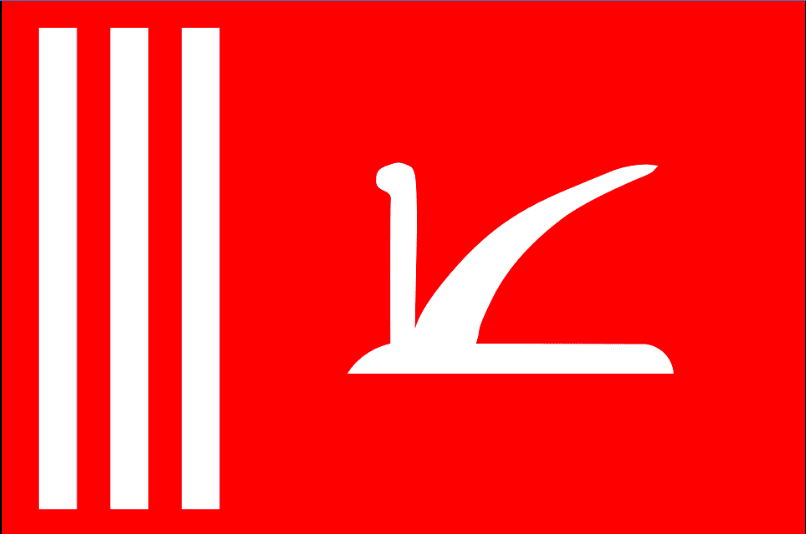
Image Source Wikipedia
There is no single, universally agreed-upon Kashmir flag. Different political entities use different flags to represent the region. This is one of the first things anyone researching or traveling to Kashmir should understand. The topic is sensitive, contested, and deeply tied to the region's political history.
Three main flags are commonly associated with Kashmir. The first is the flag historically used by the Jammu and Kashmir state administration before 2019. The second is the flag used by Azad Kashmir, the territory administered by Pakistan.
The third includes flags used by Kashmiri political organizations, most notably the National Conference and various separatist groups. Each flag carries its own meaning and represents a different set of political or cultural claims.
The difference between an official state flag and a flag used by a political movement is significant. State flags represent administrative authority. Political flags represent ideology, identity, or a cause.
In Kashmir, this distinction matters enormously, both legally and socially. Knowing which flag you are looking at and what it represents is important for any visitor or researcher.
Flag | Colors | Key Symbol | Who Uses It | What It Represents |
|---|---|---|---|---|
Jammu and Kashmir State Flag (pre-2019) | Red with three vertical stripes | Plow symbol | State Government of J&K | Official state identity within India |
National Conference Flag | Red | Plow symbol | Jammu and Kashmir National Conference party | Kashmiri political identity and socialist values |
Azad Kashmir Flag | Green and white | Crescent and star | Azad Kashmir administration under Pakistan | Pakistani-administered Kashmir territory |
History of the Kashmir Flag: Where It Comes From
Image Source: Wikipedia
The symbols found on Kashmir-related flags have deep historical roots. They trace back to the era of Dogra dynasty rule, which governed the princely state of Jammu and Kashmir from 1846 until Indian independence in 1947.
The Dogra rulers used their own royal insignia, and the region carried a distinct administrative identity during this period. These early symbols laid the groundwork for later flag designs.
The partition of 1947 changed everything. When British India was divided into India and Pakistan, the princely states were given the choice to join either country. Maharaja Hari Singh, the last Dogra ruler, initially sought independence but eventually signed the Instrument of Accession to India in October 1947, after Pakistani-backed forces invaded.
This accession shaped the political use of flags in the region for decades to come. It also planted the seeds of a dispute that continues to influence which flags fly where.
One of the most historically significant Kashmir flags emerged from the political movement led by Sheikh Abdullah.
His party, the Jammu and Kashmir National Conference, adopted a red flag featuring a white plow symbol. This flag became one of the earliest distinct political symbols tied specifically to Kashmiri identity.
The red color reflected the movement's socialist ideology, and the plow honored the agrarian majority of the Kashmiri population. Sheikh Abdullah's "Naya Kashmir" manifesto of 1944 gave ideological weight to this flag.
Later phases of political history continued to shape flag use in the region. Periods of direct central rule from New Delhi, known as President's Rule, reduced the visibility of state-level flags. The armed conflict that began in the late 1980s introduced new flags associated with various militant and separatist organizations.
Different factions used different symbols to assert their claims. Understanding this layered history helps visitors appreciate why the Kashmir flag remains a politically charged subject even today.
For more travel inspiration, explore Badamwari Garden in Kashmir and discover one of Srinagar’s most beautiful spring attractions.
Colors and Symbols on the Kashmir Flag: What They Mean
The colors and symbols on Kashmir-related flags are not arbitrary choices. Each element carries meaning rooted in the region's history, religion, and social fabric. Travelers and researchers who take the time to understand these meanings gain a much deeper appreciation for the region.
Here is a breakdown of the key colors and their significance:
Red: Historically linked to socialist movements and the labor of the Kashmiri working class. The National Conference used red prominently to signal its commitment to land reform and economic equality.
Green: Widely associated with Islam, the majority religion in the Kashmir Valley. Green appears on several flags associated with the region and carries both religious and cultural weight.
White: Symbolizes peace and purity. White stripes or elements appear in multiple versions of Kashmir-related flags, reflecting an aspiration for calm and reconciliation.
The plow symbol: Represents the agrarian roots and working-class identity of the Kashmiri people. It was a central image in the National Conference flag and in the pre-2019 state flag.
Three vertical stripes: The administrative flag of Jammu and Kashmir featured three vertical stripes. These are often interpreted as representing the three distinct regions of Jammu, Kashmir, and Ladakh, reflecting the geographic and cultural diversity of the state.
These symbols carry real meaning for local people. For many Kashmiris, these flags are not just political objects. They represent history, struggle, identity, and hope. Tourists should treat them with genuine respect. Casual or disrespectful use of these symbols can cause offense and misunderstanding.
Check out our latest blog on Kashmir Stag: The Critically Endangered Hangul
The Kashmir Flag in Political Context
Displaying certain flags in Kashmir can carry strong political meaning. This is very different from using flags in a purely decorative or celebratory way. In Kashmir, a flag is often a statement. It can signal political allegiance, cultural identity, or opposition to a particular government or policy. Visitors should be aware of this reality before they arrive.
The Jammu and Kashmir state flag used before 2019 was a legally recognized symbol of the state government. It was distinct from the Indian national flag but was used alongside it in official settings. This flag had a red background with three vertical white stripes and a white plow in the center. It represented the special status that Jammu and Kashmir held under Article 370 of the Indian Constitution.
In August 2019, the Indian government revoked Article 370 and divided the state into two Union Territories: Jammu and Kashmir and Ladakh. This change fundamentally altered the administrative status of the region. As a Union Territory, Jammu and Kashmir no longer has its own state flag in the traditional sense. The previous state flag is no longer in official use.
This shift remains a topic of significant political debate within the region.
Azad Kashmir, the territory on the Pakistani side of the Line of Control, has its own distinct flag. It features green and white colors with a crescent and star, reflecting both Islamic identity and alignment with Pakistan's national colors.
This flag is entirely separate from any flag used in the Indian-administered part of Kashmir. Travelers crossing between the two sides, which is rarely possible for tourists, would encounter very different flag symbolism.
Knowing what each flag represents helps visitors avoid misunderstandings that could complicate their trip.
What Travelers Should Know About the Kashmir Flag
Visiting Kashmir is a rewarding experience. The region offers extraordinary natural beauty, warm hospitality, and a culture unlike anywhere else in South Asia. It also has a complex political environment. Being informed before you arrive makes your trip safer and more respectful.
Here are the key points every traveler should know about the Kashmir flag and related symbols:
Avoid displaying separatist flags in public. Carrying or displaying flags associated with separatist movements can create legal complications. It can also provoke strong reactions from residents or security personnel.
Respect local sentiment. Flags carry deep meaning for Kashmiris. What may seem like a simple piece of cloth to an outsider can represent years of struggle, loss, or aspiration to a local person. Treat all political symbols with care.
Be cautious with photography. Photographing certain flags, political symbols, or murals in sensitive areas may be restricted. Always ask permission before photographing anything that appears politically significant.
Ask a local guide when in doubt. If you encounter a flag or symbol you do not recognize, do not assume its meaning. A knowledgeable local guide can explain the context without putting you in an uncomfortable situation.
Consult a reputable travel resource. Kashmir Holidays at kashmirholidays.co provides up-to-date cultural and travel guidance, including practical advice on navigating sensitive topics like flag symbolism during your visit.
Being culturally informed is one of the most important things you can do as a traveler to Kashmir. It shows respect for the people who live there and protects you from unintentionally causing offense or drawing unwanted attention.
Kashmir Holidays provides travelers with practical cultural briefings as part of its trip planning support. These briefings help visitors navigate local nuances with confidence and sensitivity.
The goal of any responsible traveler should be to engage with a destination honestly and respectfully. Understanding something as specific as the Kashmir flag is part of that process. It signals that you have taken the time to learn about the place you are visiting, not just its mountains and lakes, but its people and their stories.
Final Thoughts
The Kashmir flag is not a single unified symbol. It is a collection of flags tied to different political, cultural, and administrative identities.
The pre-2019 state flag, the National Conference flag, and the Azad Kashmir flag all tell different stories about who claims to represent Kashmir and why.
Each flag carries colors and symbols rooted in real history, from socialist land reform movements to religious identity to administrative authority.
Understanding these differences is not just an academic exercise. It is a practical skill for anyone traveling to or researching the region.
Being informed about the Kashmir flag shows genuine respect for a region with a complex and often painful history. It helps you travel more safely, engage more meaningfully with local people, and avoid unintentional missteps.
Their team offers expert trip planning support, cultural context, and practical guidance to help you make the most of your time in this extraordinary region.
Frequently Asked Questions
Does Kashmir have its own official flag?
Kashmir does not currently have a single official flag in use. Before August 2019, the state of Jammu and Kashmir had an official state flag featuring a red background, three vertical white stripes, and a white plow symbol. When the Indian government revoked Article 370 and reorganized the state into two Union Territories, the old state flag lost its official status. As a Union Territory, Jammu and Kashmir now operates under the national flag of India without a separate state flag.
What does the red flag with a plow represent in Kashmir?
The red flag with a plow is most closely associated with the Jammu and Kashmir National Conference, the political party founded by Sheikh Abdullah. The red color reflects the socialist ideology of the movement, which championed the rights of the working class and peasant farmers. The plow symbol represents the agrarian identity of the Kashmiri people, the majority of whom were farmers before land reform. This flag became a powerful symbol of Kashmiri political identity in the mid-20th century and was later incorporated into the official state flag design.
What is the difference between the Jammu and Kashmir flag and the Azad Kashmir flag?
The two flags are entirely distinct and represent different political realities. The Jammu and Kashmir state flag, used before 2019, featured a red background with three white vertical stripes and a plow symbol. It represented the Indian-administered state of Jammu and Kashmir. The Azad Kashmir flag, used by the Pakistani-administered territory, features green and white colors with a crescent and star. It reflects Islamic identity and alignment with Pakistan. The two flags operate in separate political and administrative contexts and should not be confused with each other.
Did Kashmir lose its state flag after the revocation of Article 370 in 2019?
Yes, effectively. When Article 370 was revoked in August 2019 and Jammu and Kashmir was reorganized from a state into a Union Territory, the region lost the special constitutional status that had allowed it to maintain a separate state flag. Union Territories in India do not have their own state flags in the way that full states do. The previous Jammu and Kashmir state flag, with its red background and plow symbol, is no longer used in an official capacity. This change has been a source of significant political debate and strong feeling within the region.
Is it safe to display or photograph the Kashmir flag while traveling in the region?
This depends entirely on which flag you are referring to and where you are in the region. Displaying the Indian national flag is perfectly acceptable and appropriate. However, displaying flags associated with separatist movements or particular political parties can create legal complications and social tension. Photographing political flags, murals, or symbols in sensitive areas may also be restricted by local authorities. Travelers are strongly advised to consult a knowledgeable local guide or a trusted travel resource like Kashmir Holidays at kashmirholidays.co before engaging with any political symbols during their visit. When in doubt, err on the side of caution and respect.