
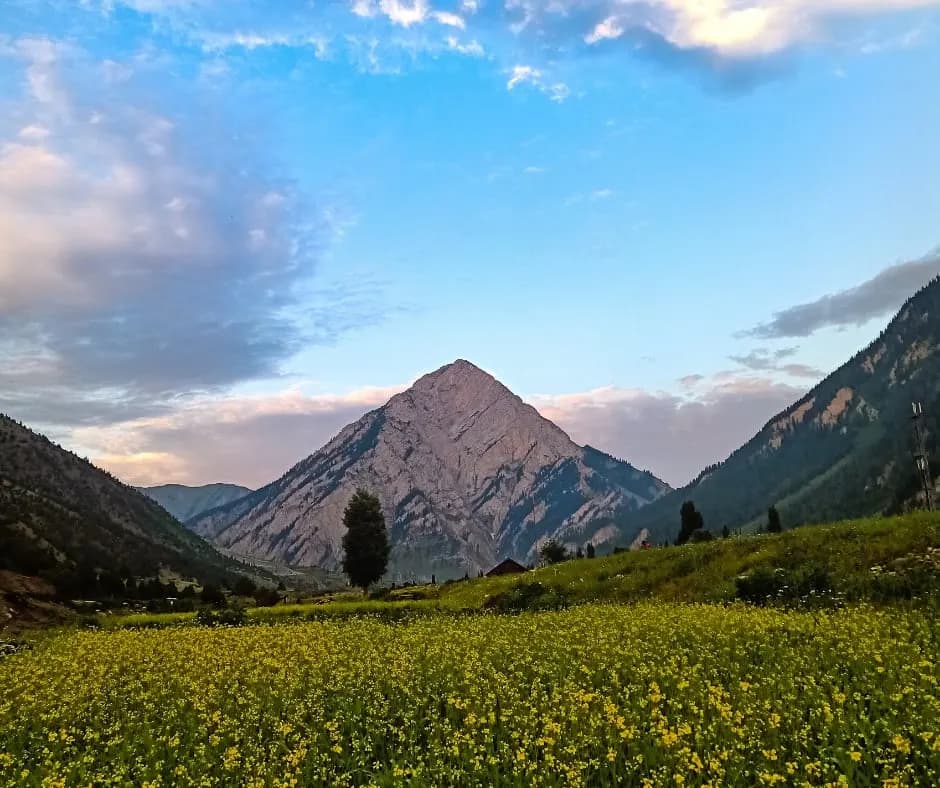
A 7-day Kashmir itinerary is the sweet spot for first-time visitors who want to see the valley's most iconic destinations without skipping the details that make each place special. From the shikara rides of Dal Lake to the snow-dusted meadows of Gulmarg and the river valleys of Pahalgam, seven days gives you enough time to breathe it all in. This 2027 trip plan is built with practical, on-the-ground knowledge so you can stop guessing and start packing.
How to Read This 7-Day Kashmir Itinerary Before You Book Anything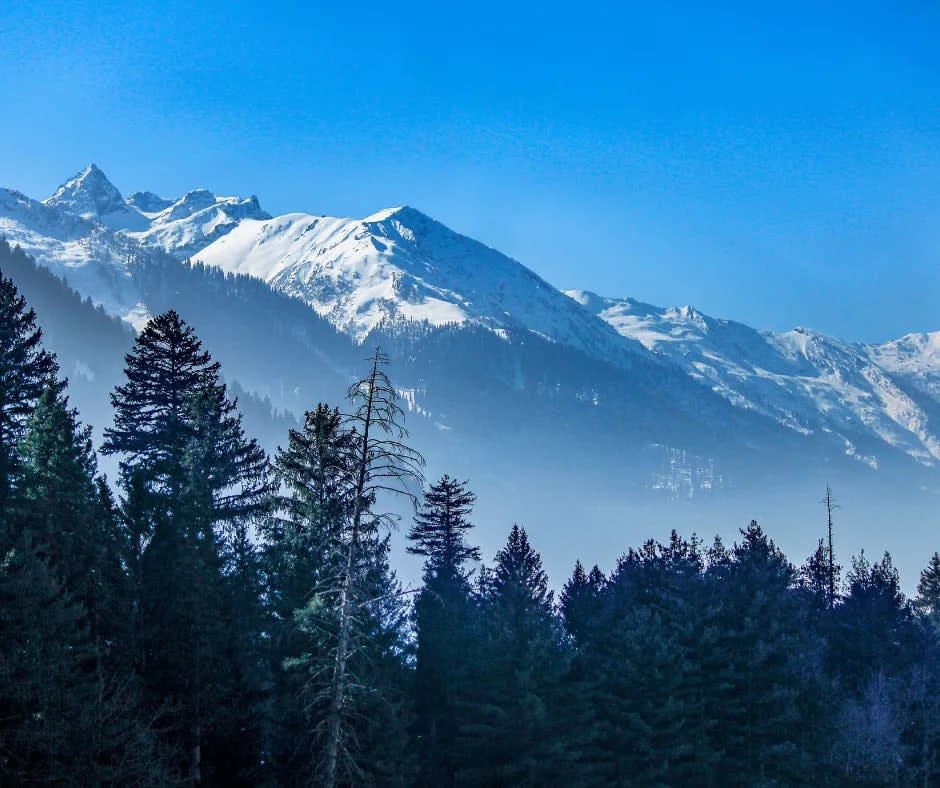
Before you screenshot this plan and forward it to your travel group, take five minutes to understand how it is structured and why certain decisions were made. That context will save you from making common booking mistakes.
This itinerary is designed for travelers arriving in Srinagar. Sheikh ul-Alam International Airport in Srinagar is the most convenient entry point, with flights connecting to Delhi, Mumbai, and several other Indian cities. If you are traveling from Jammu or planning a road trip through the Banihal Pass, your Day 1 logistics will look slightly different, but Days 2 through 7 remain the same.
The route follows a logical geographic flow. You move from Srinagar outward to Gulmarg, then to Pahalgam, then to Sonmarg, before returning to Srinagar for your final night. This avoids unnecessary backtracking and keeps driving time manageable each day. Distances in Kashmir look short on a map but mountain roads, shared convoys in certain areas, and seasonal conditions can stretch travel times considerably.
Season matters enormously. This itinerary works across spring (April to June), summer (July to August), and early autumn (September to October). Winter travel to places like Sonmarg and Gulmarg requires a modified plan since certain roads may be snowbound. If you are visiting between December and March, check road conditions before finalizing bookings.
Build in flexibility. Weather in Kashmir can shift quickly. A clear morning in Pahalgam can turn into afternoon rain. Keep one activity per day as optional so you are not stressed if plans shift by a few hours. The valley rewards slow travelers more than those racing through a checklist.
To understand Kashmir Itinerary 7 Days: The Perfect 2027 Trip Plan, it helps to compare what you see in the data and what action you need to take next.
Day-by-Day Breakdown: Your 7-Day Kashmir Itinerary for 2027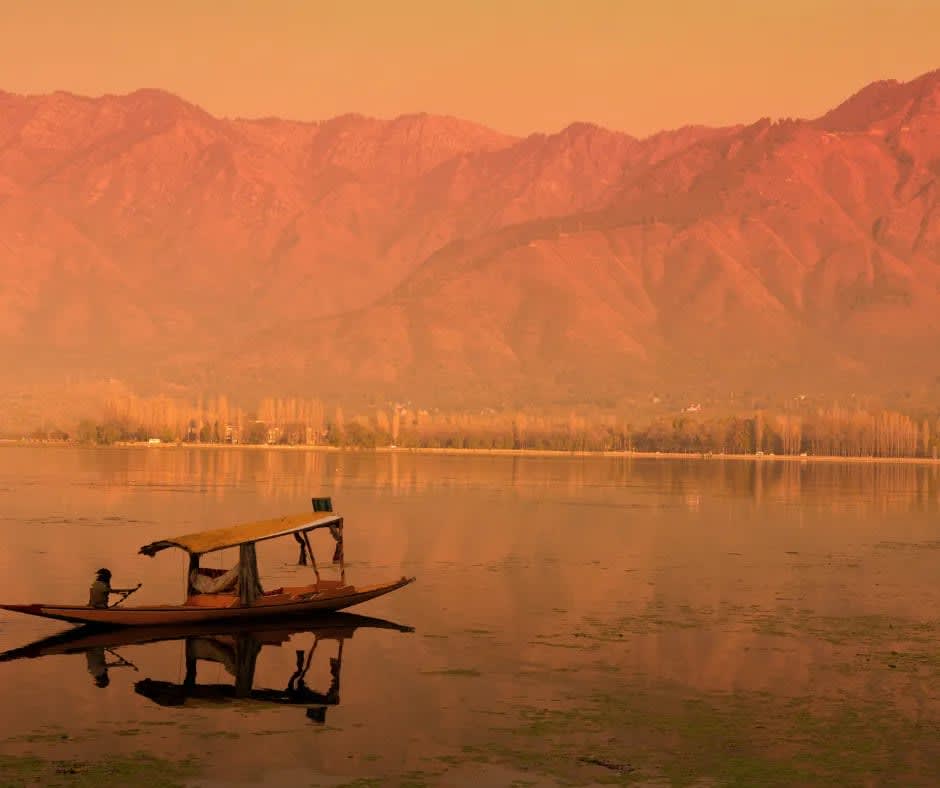
Day 1: Arrive in Srinagar, Settle In, Evening on Dal Lake
Your first day is intentionally light. Arrive at Srinagar Airport, transfer to your accommodation, and spend the afternoon adjusting to the altitude and pace of the valley. In the evening, head to the Dal Lake ghats for a shikara ride at sunset. The light on the water during the golden hour is something you will remember long after the trip ends. If your houseboat is on Dal Lake or Nagin Lake, your shikara host will often arrange the ride as part of your stay.
Day 2: Srinagar Sightseeing, Mughal Gardens and Old City
Spend your second day covering Srinagar's major landmarks. Start with the Mughal Gardens: Nishat Bagh, Shalimar Bagh, and Chashme Shahi are all within a short drive of each other along the eastern shore of Dal Lake. After lunch, cross into the old city to visit the Jama Masjid and the famous Shah Hamdan shrine. The old city lanes are worth wandering, full of woodcarvers, papier-mache workshops, and small bakeries selling local bread called girda. End the evening with a walk along the Boulevard Road or another quiet shikara ride.
Day 3: Day Trip to Gulmarg
Gulmarg sits about 51 kilometers from Srinagar and takes roughly two hours to reach by road. This meadow town is home to one of the highest gondola rides in the world, the Gulmarg Gondola, which operates in two phases. Phase 1 takes you to Kongdori at around 3,050 meters, and Phase 2 goes up to Apharwat Peak at around 3,980 meters. Book gondola tickets online in advance through official channels, especially during peak season, since lines can be very long. If you visit in winter, this is prime skiing territory. In summer, it is all open meadows, wildflowers, and sweeping views of the surrounding peaks. Return to Srinagar or, if you prefer, stay overnight in Gulmarg.
Day 4: Drive to Pahalgam, Afternoon at Betaab Valley or Aru Valley
Leave Srinagar after breakfast and head to Pahalgam, roughly 95 kilometers southeast and about three hours by road. Check into your accommodation early and use the afternoon to explore either Betaab Valley or Aru Valley, both accessible by local taxi from the Pahalgam taxi stand. Betaab Valley is more visited and easy to reach, while Aru Valley offers a quieter, longer experience with views of glaciers and alpine meadows. The Lidder River runs alongside both routes and the sound of it becomes a constant companion during your stay in Pahalgam.
Day 5: Pahalgam Deeper Exploration, Chandanwari or Local Walks
Stay another night in Pahalgam and use Day 5 to go deeper. Chandanwari, located 16 kilometers from Pahalgam town, is the starting point of the annual Amarnath Yatra and offers a view of snowfields even in summer. For those who prefer easier walks, the riverside paths around Pahalgam town are peaceful and uncrowded in the morning. Pahalgam is also a good place to try a traditional Kashmiri wazwan meal at a local dhaba if you have not done so already.
Day 6: Drive to Sonmarg, Thajiwas Glacier
Sonmarg requires backtracking slightly toward Srinagar and then heading northeast on the Srinagar-Leh Highway. The drive takes around three to four hours from Pahalgam depending on road conditions. Sonmarg, meaning "meadow of gold," sits at an elevation of around 2,730 meters and is one of the most visually striking stops on this itinerary. The Thajiwas Glacier, accessible by a short pony ride or a 20 to 30 minute walk from the main meadow, is the headline attraction. The meadow itself is beautiful enough to justify the journey. Note that private vehicles beyond a certain point in Sonmarg are often restricted, so local pony rides or designated transport are your best options to reach the glacier area.
Day 7: Return to Srinagar, Final Shikara Ride, Departure
Drive back to Srinagar on your final day. If your flight is in the afternoon or evening, you have time for a last wander through the Lal Chowk market area, a stop at a Kashmiri saffron or dry fruit shop, or one more shikara ride on Dal Lake. Srinagar Airport is well connected and the transfer from the city center takes about 20 to 30 minutes. Give yourself at least two hours before departure, especially during busy travel seasons.
Where to Stay: Accommodation Options for Every Budget Across This 7-Day Kashmir Trip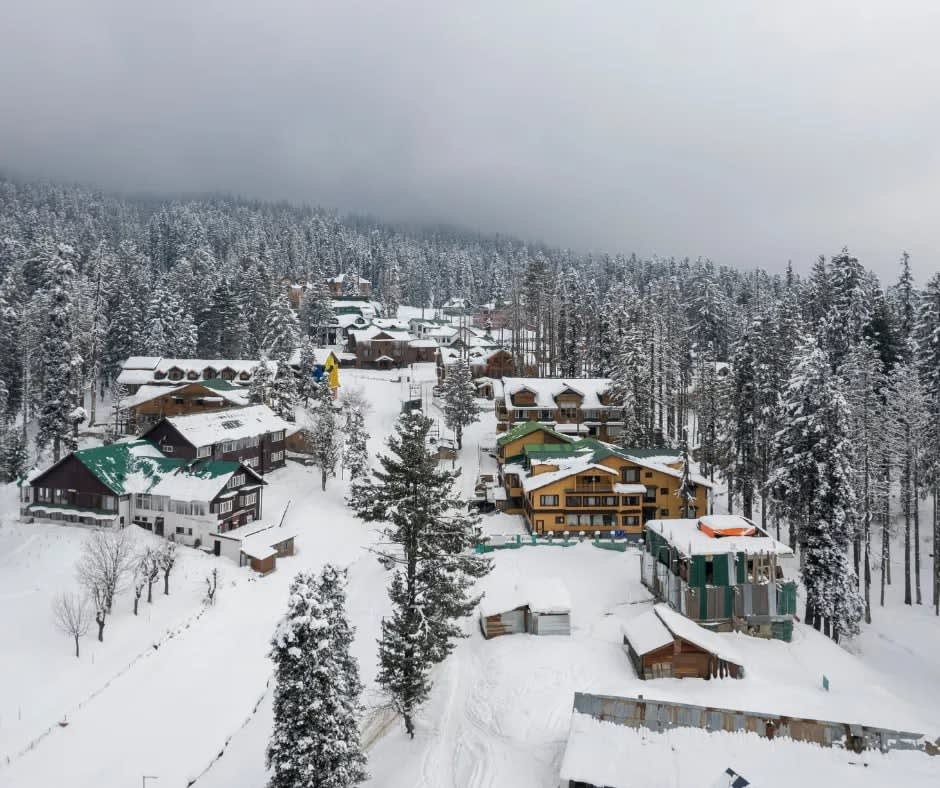
Accommodation in Kashmir ranges from floating wooden houseboats on Dal Lake to luxury hotels in Pahalgam and simple guesthouses in Sonmarg. Here is a breakdown by destination so you can match your stay to your budget and travel style.
Srinagar
Srinagar offers the widest range of accommodation in the valley. The most iconic option is a traditional houseboat on Dal Lake or Nagin Lake. These cedar-paneled boats come in categories ranging from deluxe to five-star, and prices vary accordingly. Living on the lake gives you the shikara experience built into your stay and is something most first-time visitors to Kashmir genuinely love. If you prefer land-based accommodation, the Boulevard Road and Dalgate areas have good mid-range hotels, while Rajbagh and Residency Road have more upscale options. Book houseboats well in advance for peak summer and autumn months since popular ones fill up fast.
Gulmarg
If you decide to stay overnight in Gulmarg rather than day-tripping from Srinagar, accommodation options include well-known hotel chains, smaller cottages, and government-run tourist bungalows. Evenings in Gulmarg are cooler than Srinagar even in summer, so packing a layer is essential. Staying overnight lets you catch the meadow in the early morning before day visitors arrive, which is genuinely worth the extra night.
Pahalgam
Pahalgam has a solid mix of budget guesthouses, mid-range hotels, and a few upscale resort properties along the Lidder River. Staying close to the river is a good idea since the sound and the views add a lot to the experience. There are also several government-run tourist bungalows managed by the Jammu and Kashmir Tourism Development Corporation that offer clean, affordable rooms in scenic spots.
Sonmarg
Sonmarg is primarily a day-trip destination, but there are tented camps and basic hotels if you want to spend the night. Staying overnight in Sonmarg means waking up to a nearly empty meadow before the day visitors arrive from Srinagar, which is a genuinely different experience. Options are more limited here than in other stops, so book ahead if you plan an overnight stay, especially during the June to September peak season.
A note for budget travelers: Kashmir has a good network of dharamshalas, government tourist bungalows, and smaller family-run guesthouses that offer clean rooms at reasonable prices. You do not need a large budget to have a meaningful trip here. The food, the landscapes, and the warmth of local hospitality are available at every price point.
Transportation and Getting Around Kashmir: Practical 2027 Logistics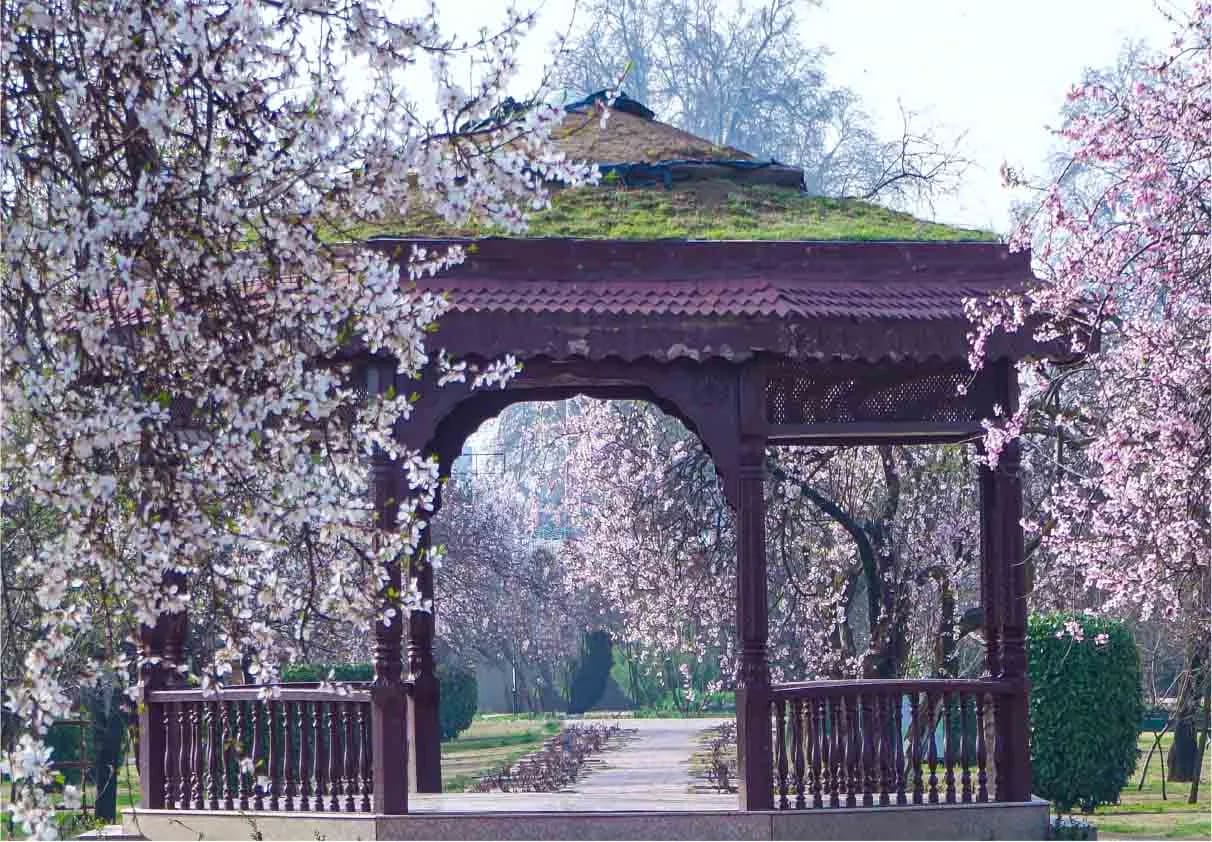
Getting around Kashmir is one of the most important things to plan before you arrive. The distances between key destinations are manageable, but road conditions, seasonal closures, and altitude changes mean you need a clear transport strategy from day one. Here is everything you need to know for a smooth 2027 trip.
Arriving in Kashmir
- By Air: Sheikh ul-Alam International Airport in Srinagar is the main entry point. Flights connect from Delhi, Mumbai, Jammu, and several other Indian cities. Book early for 2027, especially for peak summer and autumn windows, as seats sell out fast.
- By Road via Jammu: The Jammu-Srinagar National Highway (NH-44) is the primary road link. The drive takes roughly 8 to 10 hours depending on traffic and weather. Shared taxis and private cabs are available from Jammu railway station.
- By Train to Banihal: The Kashmir Railway now connects Banihal to Baramulla, passing through Srinagar. This is a scenic and affordable option if you are arriving from south of Banihal by train.
Getting Around During the 7 Days
- Private cab hire: The most practical option for this itinerary. A dedicated driver for all 7 days costs more upfront but saves time, offers flexibility, and eliminates daily negotiation hassles.
- Shared sumos and taxis: Budget-friendly for routes like Srinagar to Pahalgam or Srinagar to Gulmarg. Expect early morning departures from fixed stands.
- Shikaras on Dal and Nagin Lake: Non-negotiable for the Srinagar experience. Negotiate rates directly at the ghats or book through your houseboat.
- Ponies and treks: For Betaab Valley, Chandanwari, and Gulmarg meadows beyond the gondola, ponies are widely available and priced by distance.
- Gulmarg Gondola: Book Phase 1 (Gulmarg to Kongdori) and Phase 2 (Kongdori to Apharwat Peak) tickets in advance online to avoid long queues, especially in summer 2027.
Road Conditions and Travel Times
| Route | Approx. Distance | Travel Time | Notes |
|---|---|---|---|
| Srinagar to Gulmarg | 56 km | 1.5 to 2 hours | Good road, straightforward drive |
| Srinagar to Pahalgam | 95 km | 2.5 to 3 hours | Scenic highway along Lidder River |
| Srinagar to Sonamarg | 80 km | 2 to 2.5 hours | NH-1, check for seasonal closures |
| Pahalgam to Sonamarg | 145 km via Srinagar | 4 to 5 hours | No direct route, must loop via city |
What This 7-Day Itinerary Costs: Budget Planning for 2027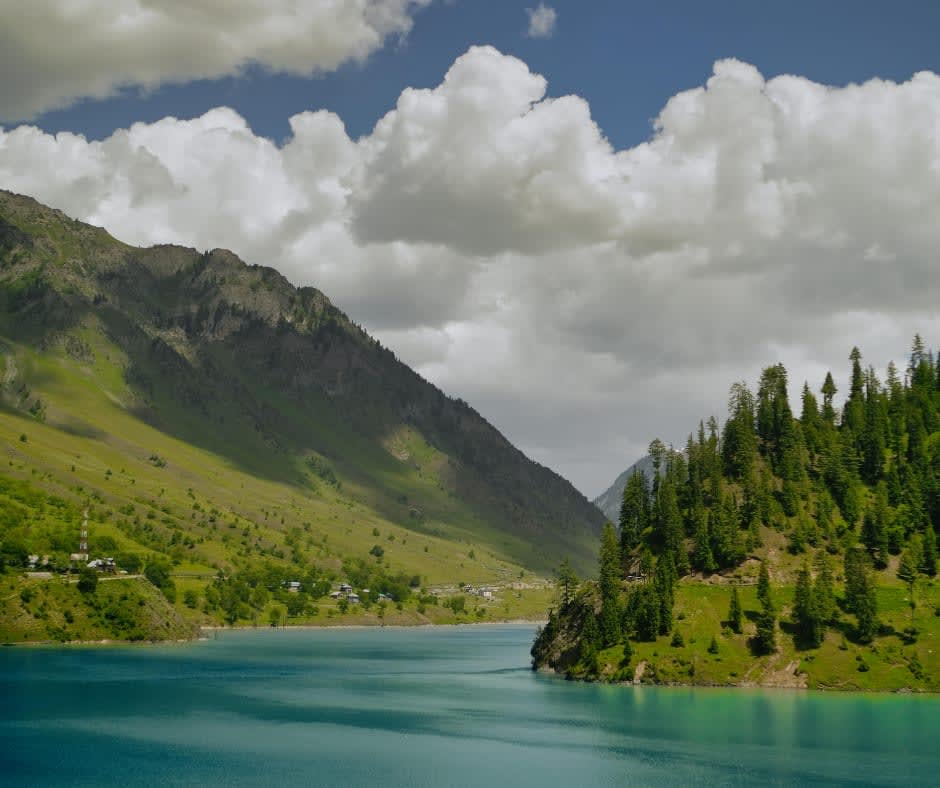
Kashmir can fit a wide range of budgets, from backpacker-friendly guesthouses to luxurious heritage houseboats. Planning your spend in advance helps avoid surprises, especially as prices in popular tourist seasons have been creeping up year on year. The figures below are realistic estimates for 2027 based on current trends.
Daily Cost Breakdown Per Person (Approximate)
| Category | Budget Traveler | Mid-Range | Premium |
|---|---|---|---|
| Accommodation (per night) | ₹800 to ₹1,500 | ₹2,500 to ₹5,000 | ₹7,000 to ₹20,000+ |
| Meals (per day) | ₹300 to ₹600 | ₹800 to ₹1,500 | ₹2,000 to ₹4,000 |
| Transportation (per day, shared) | ₹200 to ₹500 | ₹800 to ₹1,500 | ₹2,000 to ₹4,000 |
| Activities and entry fees | ₹200 to ₹500 | ₹500 to ₹1,500 | ₹2,000 to ₹5,000 |
Key Cost Factors to Watch in 2027
- Gulmarg Gondola fees: Prices for Phase 1 and Phase 2 combined are expected to rise slightly. Budget around ₹900 to ₹1,200 per person for 2027.
- Houseboat premiums: Deluxe and super-deluxe houseboats on Dal Lake charge significantly more during June, July, August, and October. Book early for better rates.
- Shikara rides: A one-hour shikara on Dal Lake typically costs ₹300 to ₹600. The sunrise rides and full morning tours cost more but are worth every rupee.
- Private cab for 7 days: Hiring a cab with driver for the entire itinerary costs between ₹12,000 and ₹20,000 total depending on vehicle type and negotiation.
- Sonamarg pony rides: Thajiwas Glacier pony excursions run ₹600 to ₹1,200 per person and are non-optional for reaching certain viewpoints.
Money-Saving Tips
- Travel in shoulder season, specifically May or September, for better prices and fewer crowds.
- Eat at local dhabas and wazwan restaurants rather than hotel dining rooms for authentic food at a fraction of the cost.
- Share transportation costs by traveling with a group or joining shared sumos between major towns.
- Book houseboats directly with owners rather than through third-party platforms to avoid commission markups.
Conclusion
Seven days in Kashmir is enough time to experience its most iconic destinations without feeling rushed, provided you plan each day with intention. This itinerary moves you from the shikara mornings of Dal Lake to the alpine meadows of Gulmarg, through the pine-lined valleys of Pahalgam, and up to the glacial drama of Sonamarg, giving you a genuine feel for what makes this region one of India's most unforgettable destinations. The key is booking accommodation and transport early for 2027, especially if you are targeting summer or autumn, and building in enough flexibility to enjoy the slow moments that define a Kashmir trip, whether that is a cup of noon chai on a houseboat deck or a quiet walk through a saffron field.
Kashmir Holidays is here to help you go beyond a generic checklist and build a trip that actually fits the way you travel. Whether you are a first-time visitor trying to cover the highlights or a returning traveler looking to go deeper into off-the-beaten-path villages and treks, this 7-day framework gives you a strong foundation. Adjust it to your pace, your budget, and your travel season, and Kashmir will reward you with memories that stay with you long after you land back home.
Frequently Asked Questions
Is 7 days enough to see Kashmir properly?
Yes, 7 days is a solid amount of time to cover Srinagar, Gulmarg, Pahalgam, and Sonamarg without feeling overwhelmed. You will experience the major highlights comfortably. For deeper exploration of remote valleys or extended treks, a 10-day trip would give you more breathing room.
What is the best time to visit Kashmir for a 7-day trip in 2027?
May to June and September to October are the best windows. May offers blooming gardens and pleasant temperatures. September and October bring golden autumn foliage and clear skies. July and August are peak monsoon months, with possible landslides on mountain roads, though valleys remain beautiful.
Do I need a special permit to travel to Kashmir in 2027?
Indian nationals do not require any special permit to visit the Kashmir Valley, including Srinagar, Gulmarg, Pahalgam, and Sonamarg. Foreign nationals may need to register with local authorities in certain restricted areas. Always check updated government travel advisories before booking your 2027 trip.
How should I handle altitude sickness on this itinerary?
Gulmarg sits at around 2,650 meters and Sonamarg at roughly 2,740 meters. Most visitors handle these altitudes without issues. Stay hydrated, avoid heavy exertion on arrival days, and ascend gradually. If you feel dizzy or short of breath at higher elevations like Apharwat Peak, descend immediately and rest.
Is Kashmir safe for solo and female travelers in 2027?
Kashmir is generally safe for solo and female travelers when standard precautions are taken. Tourist areas are well-monitored, locals are welcoming, and travel infrastructure has improved significantly. Stay informed about current conditions, share your itinerary with someone you trust, and use reputable transport and accommodation providers throughout your trip.