
Table of Contents
Historical Population Decline: How the Hangul Reached Crisis Point
Conservation Programs: What Is Being Done to Save the Hangul
The Genetic Crisis Within the Species: Inbreeding and Small Population Risks
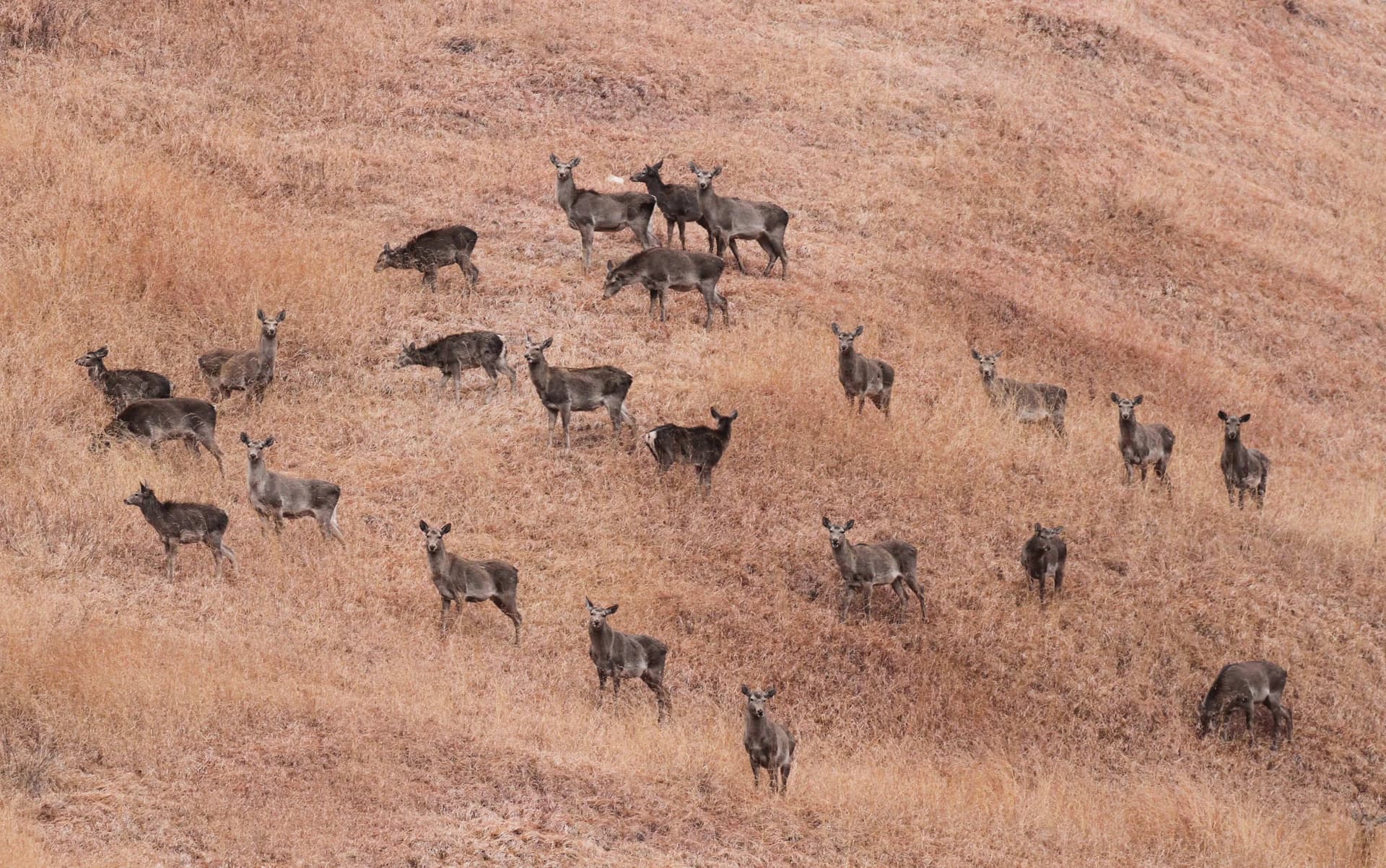
The Kashmir Stag, locally known as the Hangul, is one of the most endangered large mammals in South Asia, surviving in perilously small numbers in the dense forests of the Kashmir Valley. Once a symbol of royal pride and ecological richness, this majestic deer now faces a race against time as habitat loss, human encroachment, and political instability continue to erode its last strongholds. Understanding the Hangul's plight is not only a matter of conservation urgency but also a call to action for scientists, policymakers, and communities who share its fragile home.
What Is the Kashmir Stag? Biology and Distinguishing Traits
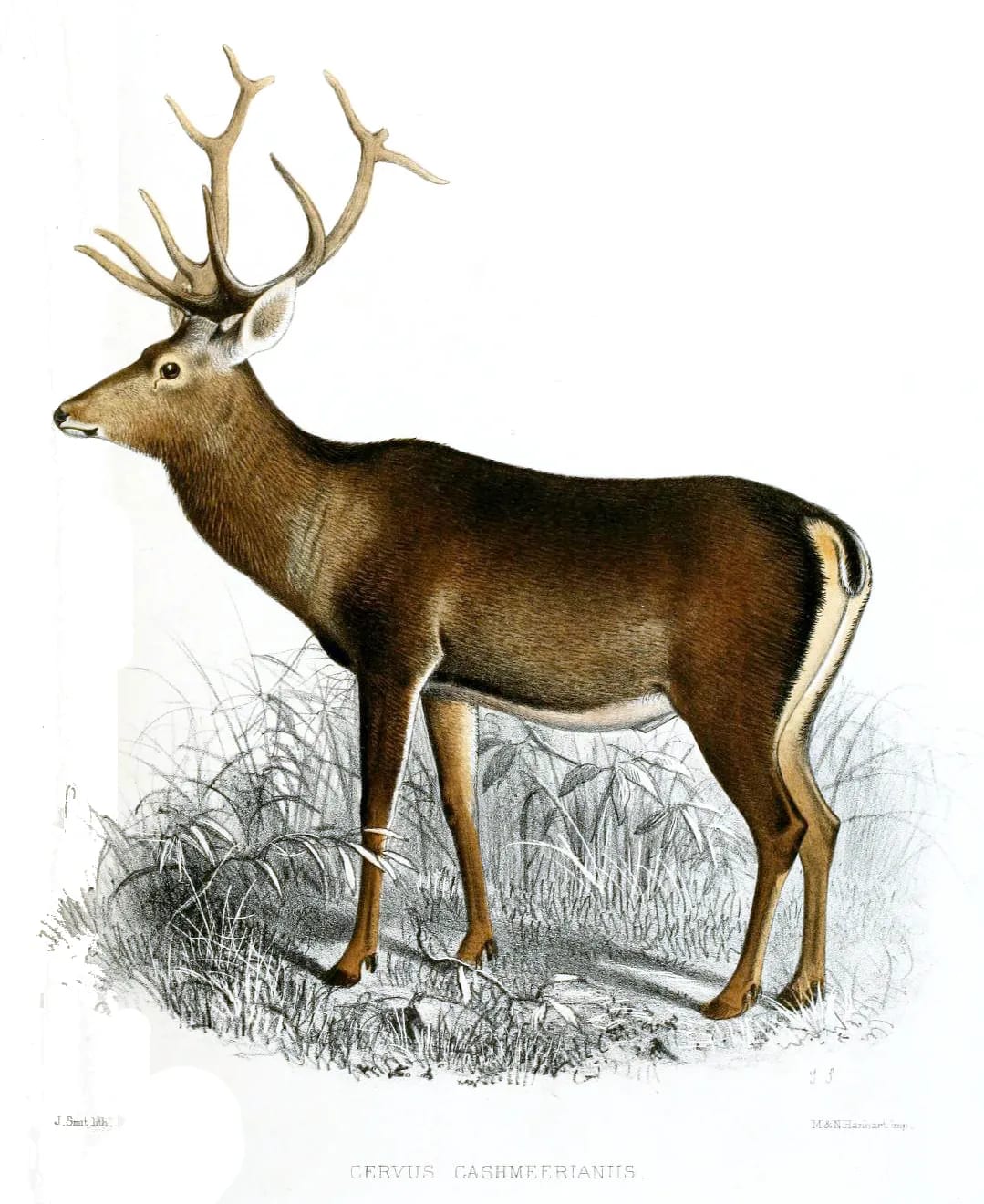
The Kashmir Stag (Cervus hanglu hanglu) is a subspecies of the Central Asian Red Deer and holds the distinction of being the only surviving member of the Red Deer group found on the Indian subcontinent. Adult males, called stags, are notably large, typically weighing between 170 and 230 kilograms and standing up to 120 centimeters at the shoulder. Their most striking feature is their elaborate antlers, which can branch into as many as 11 to 16 points in fully mature individuals, giving the animal an unmistakable silhouette against the forested ridgelines of the Kashmir Valley.
The Hangul's coat shifts seasonally, turning a rich reddish-brown during the warmer months and transitioning to a grayer, thicker covering in winter to help the animal endure the valley's harsh cold. Females, called hinds, are considerably smaller and lack antlers entirely. The species is primarily herbivorous, feeding on grasses, leaves, bark, and seasonal vegetation found across the alpine meadows and dense riverine forests it inhabits. Social behavior in the Hangul follows a pattern common to deer species, with males living largely solitary lives outside of the rutting season, which typically peaks between September and November.
The Hangul's preferred habitat sits within a narrow ecological band, primarily concentrated in the Dachigam National Park near Srinagar, which remains the last significant refuge for a viable wild population. Smaller, fragmented groups have been documented in the Overa-Aru Wildlife Sanctuary and certain areas of the Gurez Valley, though these populations face severe isolation. The species' dependence on a very specific type of dense, well-watered forest with access to high-altitude grazing grounds makes it especially vulnerable to any disruption in land use or forest cover.
Historical Population Decline: How the Hangul Reached Crisis Point
Estimates from the early 20th century suggest that several thousand Hangul roamed freely across the forests of Jammu and Kashmir, a population large enough that hunting by Maharajas and colonial-era sportsmen was considered a prestigious tradition rather than a conservation concern. By the 1940s, unrestricted trophy hunting had already begun to suppress population numbers, and the partition of the Indian subcontinent in 1947 brought additional political disruption that made coordinated wildlife management nearly impossible for decades.
Census data collected in the 1970s told a sobering story, recording a population of approximately 3,000 to 5,000 individuals, already a steep drop from historical highs. By the late 1980s, when armed conflict intensified across Kashmir, conservation programs were severely disrupted, anti-poaching enforcement collapsed, and the human population's dependence on forest resources grew sharply. A census conducted in 2011 recorded just 218 individuals, a number so low that wildlife biologists began to describe the species as functionally endangered rather than simply threatened.
More recent counts conducted by the Wildlife Institute of India and the Jammu and Kashmir Wildlife Protection Department showed a modest recovery, with estimates in the range of 260 to 300 individuals by the early 2020s. While these figures represent a cautious improvement, conservation scientists are quick to note that a population this small remains dangerously susceptible to inbreeding depression, disease outbreaks, and any single catastrophic event such as a flood, wildfire, or disease epidemic. The Hangul is currently classified as Critically Endangered on the IUCN Red List, the last category before extinction in the wild.
Primary Threats Driving the Hangul Toward Extinction
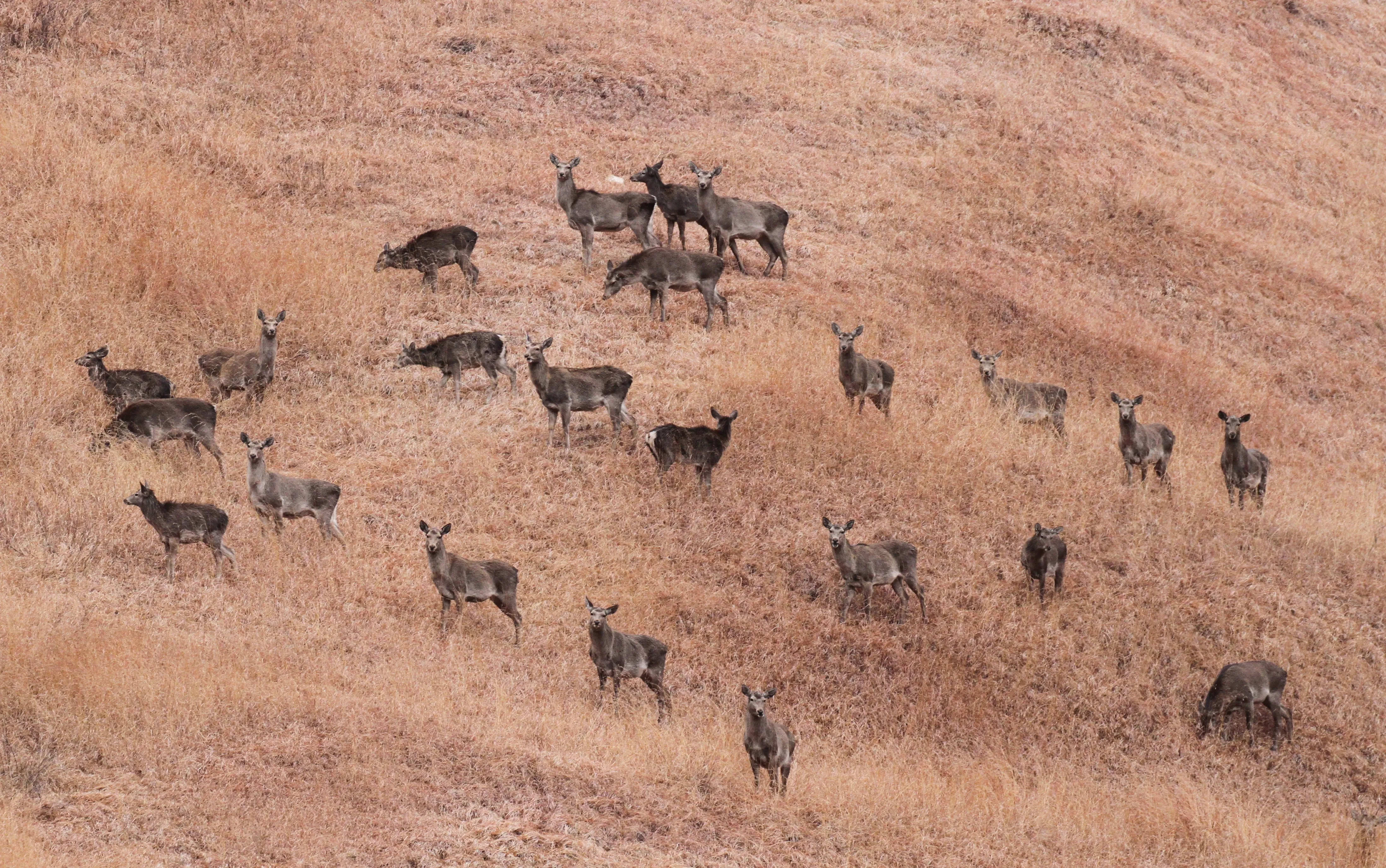
The survival of the Hangul is compromised by a cluster of interlocking threats, none of which can be addressed in isolation. Habitat loss remains the most persistent and structurally damaging factor. Agricultural expansion, illegal logging, and the construction of roads and settlements have steadily reduced and fragmented the forests that the Hangul depends on for shelter, food, and breeding grounds. As forest patches shrink and become disconnected, individual animals are unable to move between populations, which accelerates genetic deterioration over successive generations.
Livestock grazing represents another serious pressure. Large numbers of domestic sheep, goats, and cattle are driven into the buffer zones and even core areas of Dachigam National Park during the summer months, competing directly with the Hangul for grazing resources and introducing parasites and diseases to which the wild deer have limited immunity. Studies have documented significant overlap between livestock movement routes and Hangul foraging zones, reducing the quality and availability of forage at precisely the time when stags need to build energy reserves ahead of the rut.
Poaching, though less systematic than in previous decades, continues to pose a threat, particularly in areas beyond the protected core of Dachigam. The Hangul's large size and impressive antlers make it a target for both subsistence hunters and illegal traders operating across porous borders. Feral dogs, which have increased in number around human settlements bordering the park, have also been recorded chasing and injuring Hangul, adding predation pressure to an already stressed population.
Finally, the prolonged political instability in the Kashmir region has had a cumulative negative effect on conservation infrastructure. Periods of conflict have interrupted wildlife surveys, disrupted ranger patrols, and deterred long-term investment in habitat restoration projects. Climate change adds another layer of uncertainty, with shifting snowfall patterns and warming temperatures altering the distribution of the alpine vegetation that the Hangul relies on during critical seasonal windows. Together, these threats create a compounding crisis that demands coordinated, sustained intervention if the Kashmir Stag is to survive into the next century.
Conservation Programs: What Is Being Done to Save the Hangul
Saving the Kashmir stag requires coordinated action across government bodies, wildlife organizations, and local communities. Over the past two decades, several programs have been launched to stabilize the population and create conditions where the Hangul can begin a genuine recovery. Progress has been slow, but a combination of legal protections, habitat management, and community engagement is beginning to show measurable results.
Key conservation efforts currently in place include:
Dachigam National Park protection: The 141-square-kilometer park in Jammu and Kashmir serves as the primary stronghold for the Hangul. Strict entry regulations and anti-poaching patrols operate year-round within its boundaries.
Project Hangul: Launched in the 1970s with support from the WWF and the Indian government, this long-running initiative focuses on habitat improvement, population monitoring, and reducing human interference inside Dachigam.
Camera trapping and census operations: Annual wildlife censuses using camera traps, track counts, and direct sightings help researchers monitor population trends and identify key individuals within the herd.
Livestock grazing restrictions: Authorities have worked to reduce the number of livestock permitted inside Dachigam, since domestic animals compete directly with the Hangul for grass and shrubs during critical seasons.
Community outreach programs: Local Gujjar and Bakarwal communities, who traditionally graze animals in the region, are being engaged through education programs and alternative livelihood schemes to reduce pressure on the park.
Captive breeding proposals: Wildlife biologists have debated the role of captive breeding as a safeguard against total collapse, though no large-scale captive program has been formally implemented as of the most recent reports.
Conservation Measure | Lead Agency | Current Status |
|---|---|---|
Dachigam National Park patrols | J&K Wildlife Protection Dept. | Active |
Project Hangul | Indian Government, WWF | Ongoing |
Annual wildlife census | Wildlife Institute of India | Active |
Livestock reduction program | State Forest Department | Partially implemented |
Community livelihood schemes | NGOs and local government | In progress |
Captive breeding program | Under discussion | Proposed |
Despite these efforts, conservationists agree that current measures are not yet sufficient to guarantee long-term survival. The population remains dangerously small, and without expanded habitat and stronger political commitment, recovery will remain fragile.
The Genetic Crisis Within the Species: Inbreeding and Small Population Risks
Numbers alone do not tell the full story of the Hangul's vulnerability. With an estimated population hovering between 200 and 300 individuals, the species faces a biological crisis that operates silently alongside habitat loss and poaching. That crisis is genetic, and it may ultimately determine whether the Kashmir stag survives even if all external threats are removed tomorrow.
When a population shrinks to critically low levels, the individuals left behind are often closely related. Over generations, this forces inbreeding, which carries serious biological consequences:
Reduced genetic diversity: A genetically uniform population has fewer tools to adapt to disease outbreaks, environmental changes, or new pathogens. A single illness capable of exploiting a shared genetic weakness could devastate the remaining herd.
Inbreeding depression: Offspring produced through inbreeding often show lower birth rates, higher infant mortality, weakened immune responses, and reduced physical fitness. These traits compound over generations, making recovery progressively harder.
Loss of adaptive potential: Genetic diversity is the raw material evolution uses to respond to change. With minimal variation in the Hangul gene pool, the species has very limited capacity to adapt to shifting climates or new ecological pressures.
Skewed sex ratios: Recent surveys have documented a concerning imbalance between males and females within the Hangul population. A low proportion of adult males further narrows the genetic contributors to each breeding cycle.
Founder effect risk: If the population continues to contract, future generations may descend from just a handful of individuals, locking in whatever genetic limitations those founders carried.
Genetic studies on the Hangul have confirmed low levels of heterozygosity, meaning the animals already carry a significant degree of genetic uniformity. Researchers from the Wildlife Institute of India have flagged this as one of the most underreported dimensions of the Hangul crisis, warning that population numbers can look stable on paper while genetic health quietly deteriorates.
Potential genetic interventions being discussed include managed breeding programs that prioritize pairing less-related individuals, as well as the possibility of introducing animals from other red deer populations to inject new genetic material. Both approaches carry risks and ethical debates, but the urgency of the genetic situation is increasingly difficult to ignore.
Conclusion
The Kashmir stag stands at one of the most precarious points in its long evolutionary history. Reduced from tens of thousands to a few hundred animals within a single century, the Hangul's story is a direct reflection of what happens when habitat destruction, conflict, poaching, and neglect converge on a species with nowhere left to go. The conservation programs in place represent genuine commitment, but they have not yet translated into a stable, growing population. The genetic crisis unfolding within that small group of survivors adds another layer of urgency that cannot be addressed simply by reducing poaching or restricting grazing. Recovery demands a broader vision, one that treats the Hangul not as a regional wildlife problem but as a global conservation priority.
Every person who learns about the Kashmir stag, shares its story, or supports organizations working to protect critical wildlife habitat contributes to keeping the pressure on institutions to act. If you work in media, conservation, or digital publishing, consider what role high-quality, authoritative content can play in driving public awareness for species like the Hangul. The Hangul does not have the luxury of time. Neither do the people who must decide whether to act.
Frequently Asked Questions
How many Kashmir stags are left in the wild?
Estimates from recent census operations place the wild Hangul population between approximately 200 and 300 individuals. Numbers fluctuate depending on survey methodology and seasonal conditions, but the population has remained critically low for several decades, with no confirmed signs of sustained recovery.
Where does the Kashmir stag live?
The Hangul is found almost exclusively within Dachigam National Park near Srinagar in the Jammu and Kashmir region of India. Small, isolated groups may persist in adjacent forests, but Dachigam represents the core and most protected habitat for the species.
Why is the Kashmir stag endangered?
The Hangul became critically endangered due to a combination of heavy poaching during the colonial era, severe habitat loss from agricultural expansion, ongoing human conflict disrupting conservation efforts, competition with livestock, and a dangerously small gene pool resulting from decades of population decline.
Is the Kashmir stag the same as the red deer?
The Hangul, classified as Cervus hanglu hanglu, is a subspecies of the Central Asian red deer group. It shares a common ancestor with European red deer but has distinct physical traits, behaviors, and adaptations developed through thousands of years of isolation in the Kashmir Valley.
What is the biggest threat to the Hangul today?
Habitat loss and fragmentation remain the most significant ongoing threats. Combined with a critically small and genetically compromised population, limited breeding habitat, livestock competition, and periodic political instability in the region, the Hangul faces compounding pressures that no single intervention can fully resolve alone.