
Table of Contents
Where Exactly Is Aru Valley and What Makes It Different from Pahalgam
Where to Stay in Aru Valley: Honest Options for Every Budget
Aru Valley vs Betaab Valley vs Chandanwari: Which Pahalgam Side Trip Is Right for You
Practical Tips and Common Mistakes Travelers Make at Aru Valley
Wildlife and Nature in Aru Valley: What You Might Actually See
Aru Valley for Families, Couples, and Solo Travelers: Who It Suits Best
Photography and Filming in Aru Valley: Getting the Best Shots
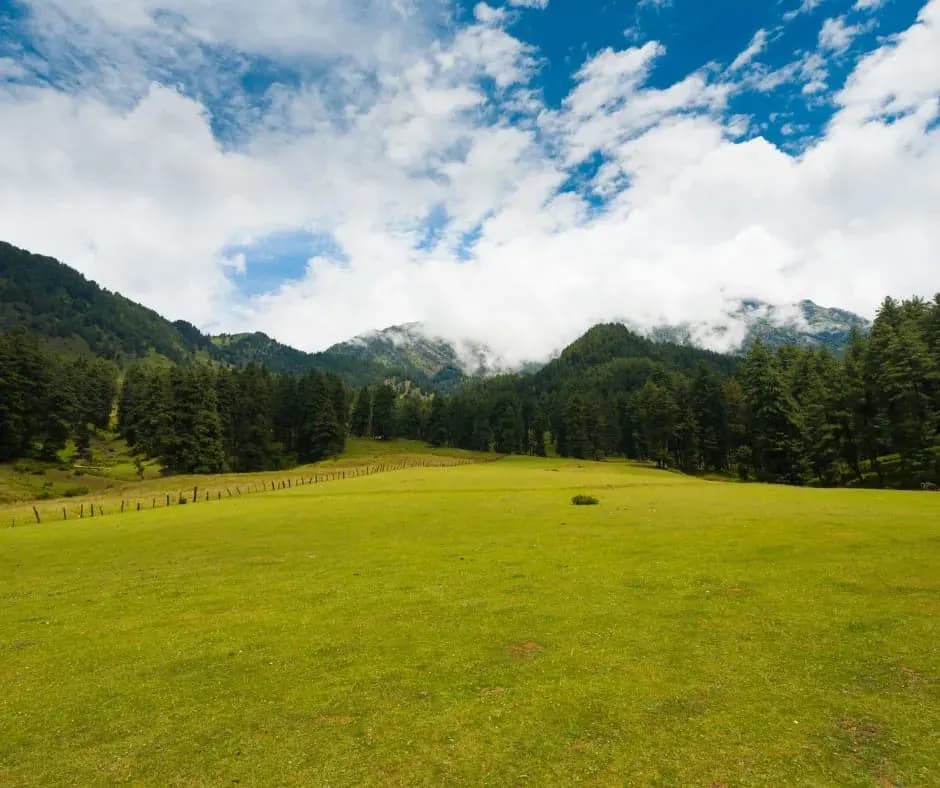
Aru Valley is one of those places in Kashmir that quietly steals your heart the moment you arrive. Sitting just 12 kilometres from Pahalgam, this serene meadow valley offers wide open alpine meadows, glacier-fed streams, dense pine forests, and a calm that feels worlds away from the busy tourist circuit. Whether you are a trekker, a nature lover, or simply someone who wants to breathe mountain air without the crowds, Aru Valley is a destination that rewards every kind of traveller.
Where Exactly Is Aru Valley and What Makes It Different from Pahalgam
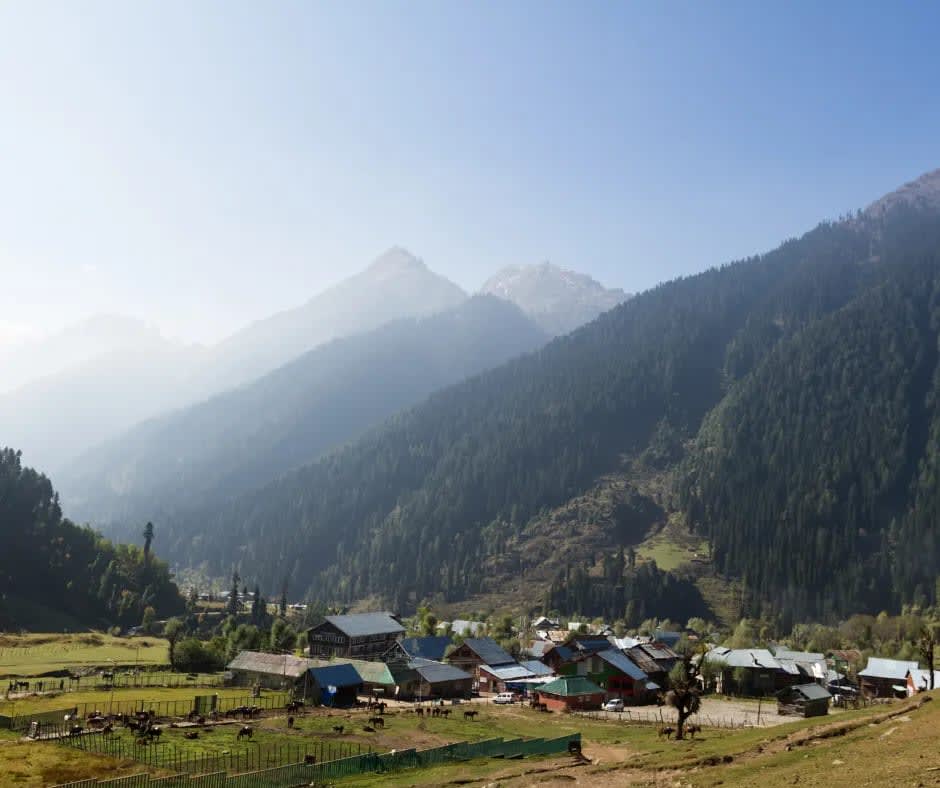
Aru Valley sits in the Anantnag district of Jammu and Kashmir, nestled along the Lidder River at an altitude of approximately 2,414 metres above sea level. It is part of the Pahalgam region but functions as a distinct destination with its own character, scenery, and atmosphere.
Pahalgam is a popular hill station that sees large numbers of tourists, especially during summer and the Amarnath Yatra season. Aru Valley, by contrast, feels considerably quieter and more intimate. The valley is essentially a wide, bowl-shaped meadow ringed by snow-capped peaks, with a small village at its heart and trekking trails fanning out in multiple directions.
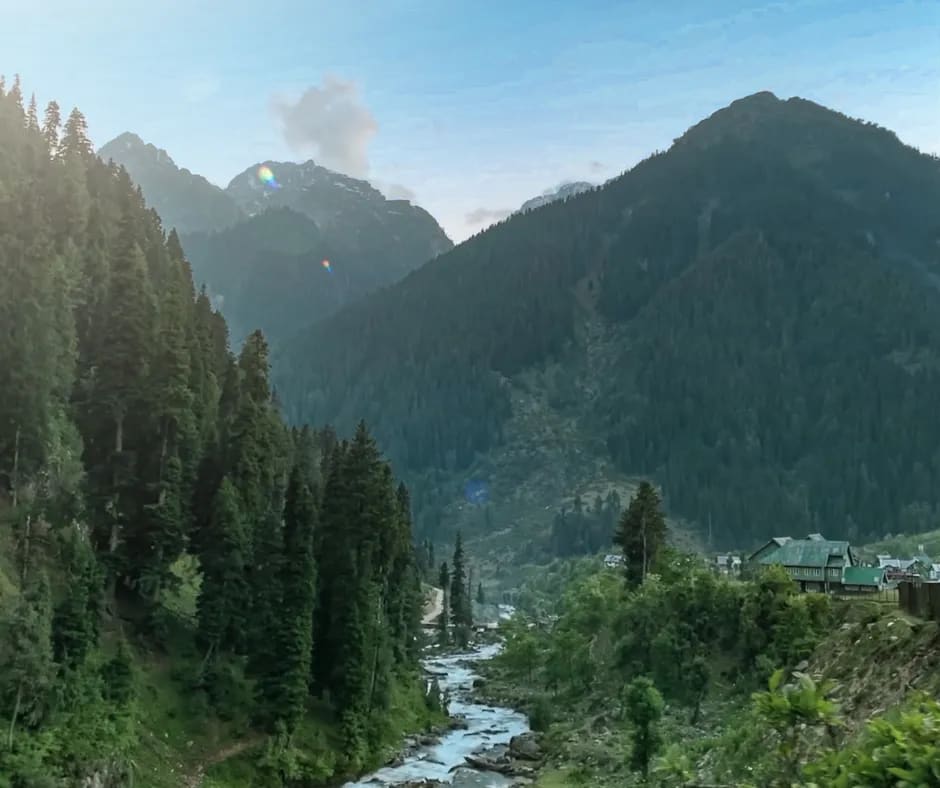
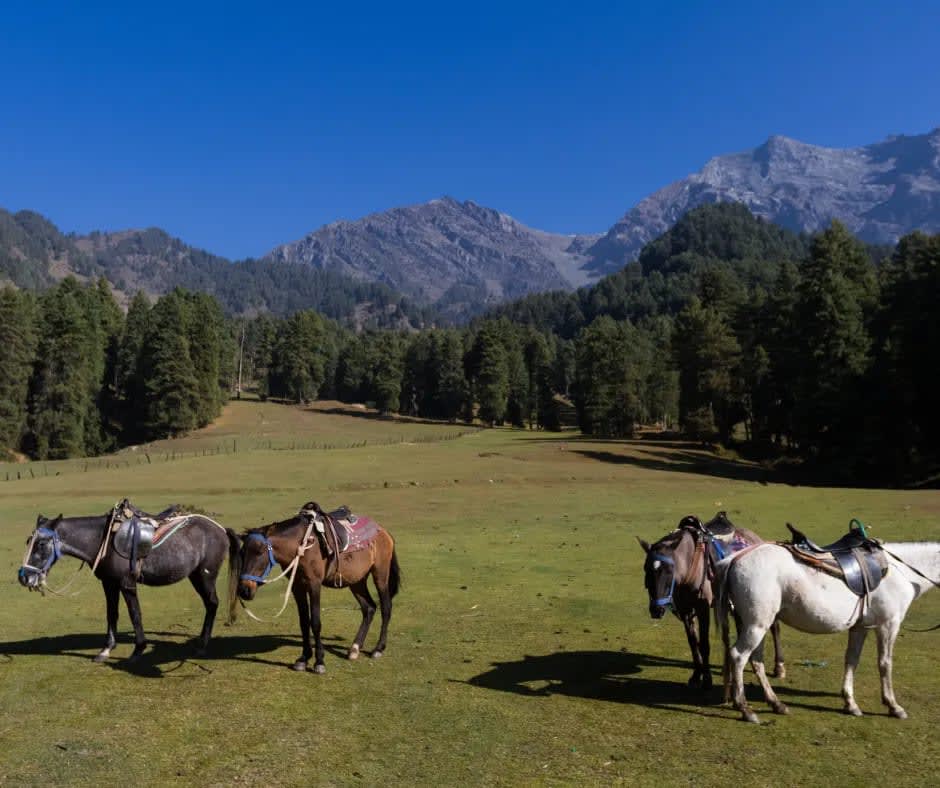
What genuinely sets Aru apart is the combination of accessibility and untouched beauty. You do not need to be a hardcore trekker to appreciate it. A short drive from Pahalgam brings you to meadows where horses graze freely, where shepherds move their flocks in summer, and where the Lidder stream runs cold and clear alongside the road. The backdrop of Kolahoi Glacier and surrounding peaks gives the valley a dramatic alpine feel without requiring any serious mountaineering experience.
Aru also serves as the base camp for two important treks in the region, the Kolahoi Glacier Trek and the Tarsar Marsar Trek, both of which draw experienced trekkers from across India and beyond. For non-trekkers, the valley itself is scenic enough to justify the visit purely for the views, the fresh air, and the relaxed pace of life.
To understand Aru Valley Kashmir: Hidden Gem Near Pahalgam, it helps to compare what you see in the data and what action you need to take next.
How to Reach Aru Valley from Pahalgam and Srinagar
Getting to Aru Valley is straightforward, and the journey itself is part of the experience.
From Pahalgam: Aru Valley is just 12 kilometres from Pahalgam town, and the drive takes around 30 to 40 minutes depending on road conditions and traffic. You can hire a shared taxi or a private cab from the Pahalgam taxi stand. The road winds along the Lidder River through pine forests, offering some lovely views even before you reach the valley. Private taxis charge roughly between Rs. 600 and Rs. 1,200 for a one-way trip, though rates can vary by season.
From Srinagar: Srinagar is approximately 107 kilometres from Aru Valley. The most common route goes through Bijbehara and Pahalgam before continuing to Aru. The total drive from Srinagar takes around 3 to 4 hours depending on traffic and road conditions. Most travellers prefer to base themselves in Pahalgam and visit Aru as a day trip or overnight excursion. If you are driving independently or booking a private cab from Srinagar, you can request a Pahalgam plus Aru Valley package for the day.
By local transport: Shared taxis and minibuses ply regularly between Pahalgam and Aru Valley during the tourist season, making it affordable even on a tight budget. There is no direct bus service from Srinagar to Aru Valley.
It is worth noting that private vehicles beyond Aru Valley are restricted on certain routes, so local taxis or ponies become necessary if you plan to head further into the mountains.
Best Time to Visit Aru Valley: Month-by-Month Breakdown
The timing of your visit to Aru Valley makes a significant difference to what you see and experience. Here is a practical breakdown by month to help you plan.
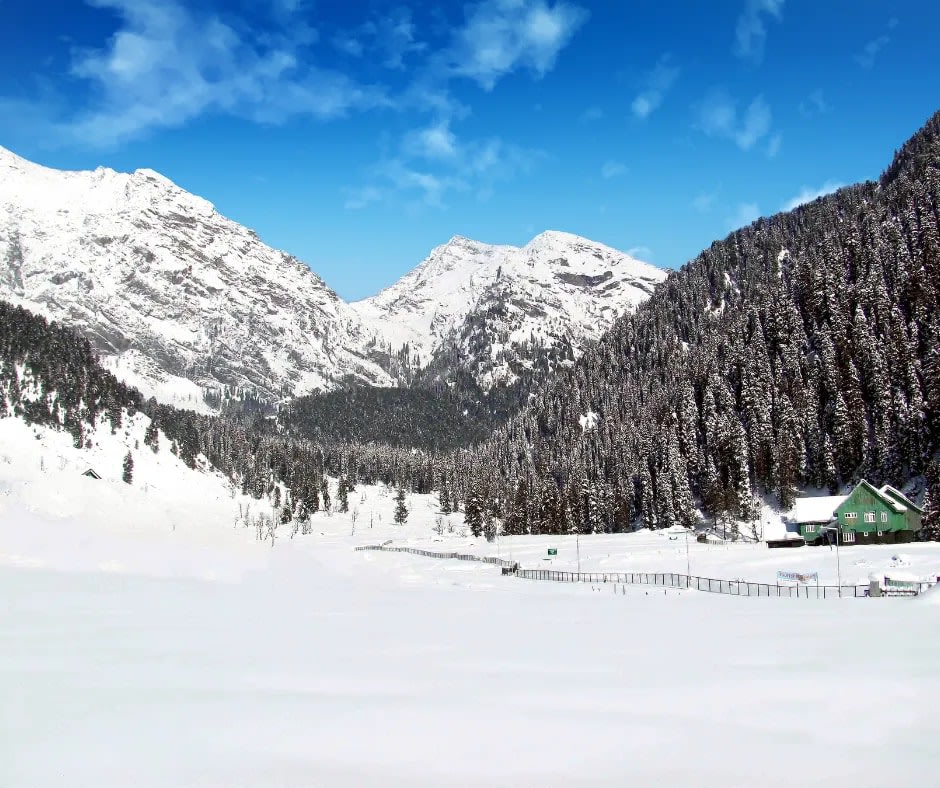
January to March: The valley is buried under snow during these months, and access can be difficult or completely blocked. This period is suitable only for travellers with experience in snow travel and appropriate gear. The scenery is spectacular, but tourism infrastructure is largely shut down.
April to May: Spring begins to open up the valley. Snow starts melting, the meadows turn green, and wildflowers begin to appear. April can still be chilly with patches of snow on the ground, but by May the weather is pleasant, and trails are accessible. This is a good time to visit if you want fewer crowds and fresh green scenery.
June to August: This is the peak season for Aru Valley and arguably the best time to visit. The meadows are fully green, the weather is mild and comfortable during the day, and all trekking routes are open. July and August bring occasional rain but also the most vibrant scenery. Expect more visitors during this window, especially in July.
September to October: Autumn transforms Aru Valley with golden and amber hues across the trees and meadows. The crowds thin out, temperatures drop pleasantly, and the skies are often crystal clear. Many experienced travellers consider September and October the ideal months for Aru Valley, balancing good weather with a quieter atmosphere.
November to December: The valley begins to close down as winter approaches. Early November can still be accessible and beautiful, but snowfall typically arrives by late November and makes travel difficult. Most guesthouses and tour operators shut by the end of November.
In short, if you want the full experience with open trails, green meadows, and reliable weather, plan your Aru Valley visit between June and October. Spring visitors in May will find a quieter and equally rewarding experience.
Things to Do in Aru Valley Beyond Just Looking at Views
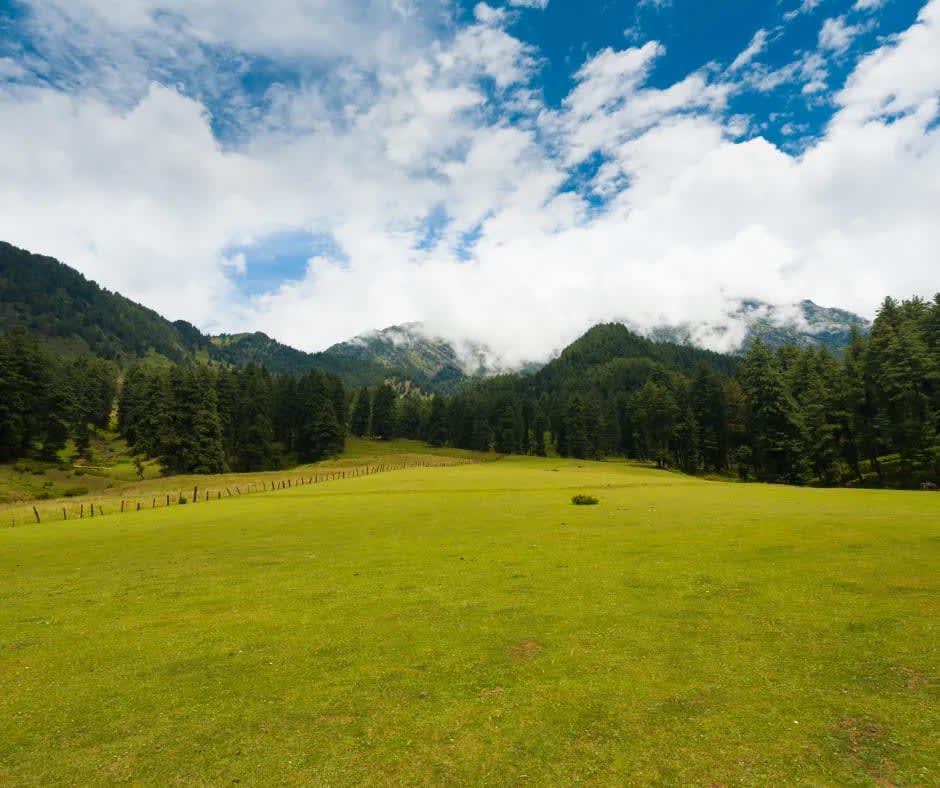
Aru Valley is far more than a scenic stop you admire from a car window. The valley is one of the best bases in the Pahalgam region for trekking, and trails here range from easy half-day walks to multi-day high-altitude routes that serious trekkers come back for year after year. The most popular trek from Aru leads to Kolahoi Glacier, a roughly 12-kilometer route that takes you through dense pine forests, open meadows, and rocky moraines before reaching one of the largest glaciers in the Kashmir Himalayas. Another well-loved trail connects Aru to Tarsar Lake, a high-altitude alpine lake sitting at around 3,900 meters. Both treks require guides and proper preparation, but neither demands elite mountaineering skill.
If trekking feels too demanding, there is still plenty to keep you engaged. Horse riding is widely available, with local owners offering rides ranging from a short loop around the meadow to a longer ride toward the upper pastures where Bakarwal nomads graze their flocks in summer. Fishing in the Aru River is another genuine activity, particularly for brown trout, though you will need a permit from the local fisheries department. Camping overnight in the valley is one of the most rewarding ways to experience Aru, since the stars above the open meadow on a clear night are genuinely hard to describe. Several local operators offer basic tent setups along the river, especially between June and September.
For travelers who prefer slower-paced experiences, Aru is excellent for photography, birdwatching, and simply watching daily life unfold in a Kashmiri village that has not been completely taken over by mass tourism. Key things you can do in Aru Valley include:
Trek to Kolahoi Glacier (full day, guide recommended)
Trek to Tarsar and Marsar Lakes (2 to 3 days)
Horse riding across the main meadow and upper pastures
Trout fishing along the Aru River (permit required)
Overnight camping under open skies near the riverbank
Birdwatching, especially for Himalayan species like the Monal pheasant
Visiting local Bakarwal encampments in summer months
Where to Stay in Aru Valley: Honest Options for Every Budget
Accommodation in Aru Valley is modest but genuinely comfortable for what the location offers. Do not expect luxury hotels or five-star amenities here. The village has a growing number of guesthouses, most of them family-run, where you get clean rooms, basic attached or shared bathrooms, and home-cooked Kashmiri meals. Staying with a local family is by far the most authentic experience, and many travelers find it memorable precisely because of its simplicity. Rooms in these guesthouses typically cost between 800 and 2,000 rupees per night depending on the season and whether meals are included.
There are also a handful of small hotels and tourist bungalows in and near Aru that offer slightly more structured stays, with separate dining areas and occasionally a generator for power during evening hours. The Jammu and Kashmir Tourism Development Corporation (JKTDC) has a tourist bungalow option in the area that is worth checking, particularly if you are traveling during peak summer months when private guesthouses fill up fast. If you want to camp, bring your own gear or rent basic equipment from operators in Pahalgam before heading up, since rental options inside Aru village itself are limited.
Accommodation Type | Approximate Cost Per Night | Best For |
|---|---|---|
Local family guesthouse | 800 to 1,500 rupees | Budget travelers, authentic experience |
Small tourist hotel | 1,500 to 3,000 rupees | Couples, small groups wanting more comfort |
JKTDC tourist bungalow | 1,200 to 2,500 rupees | Solo travelers, advance planners |
Riverside camping (basic setup) | 600 to 1,200 rupees per tent | Trekkers, nature enthusiasts |
Aru Valley vs Betaab Valley vs Chandanwari: Which Pahalgam Side Trip Is Right for You
Pahalgam has three main valley excursions that day-trippers and overnight visitors typically choose between, and understanding the difference saves a lot of confusion. Betaab Valley, located about 15 kilometers from Pahalgam on the Chandanwari road, is the most accessible and most crowded of the three. It became famous after a Bollywood film was shot there in the 1980s, and today it is heavily developed with maintained lawns, entry gates, and vendor stalls lining the path. It is visually beautiful but feels managed and busy, making it a good choice for families with young children or visitors who want an easy, quick outing.
Chandanwari, sitting at around 2,900 meters and roughly 16 kilometers from Pahalgam, is the starting point for the Amarnath Yatra pilgrimage. Outside the yatra season,n it is quieter, and visitors come for the snow that remains there well into early summer. It is a drive-and-walk destination more than a trekking base. Aru, by contrast, is the most genuine of the three. It requires the most effort to reach, has the least infrastructure, and rewards visitors with actual solitude, longer trails, and a functioning village rather than a curated tourist zone.
Feature | Aru Valley | Betaab Valley | Chandanwari |
|---|---|---|---|
Distance from Pahalgam | 12 km | 15 km | 16 km |
Crowd level | Low to moderate | High | Moderate (heavy during yatra) |
Trekking options | Excellent | Limited | Moderate |
Overnight stay possible | Yes | No | Limited |
Best for | Trekkers, nature lovers, quiet seekers | Families, casual day visitors | Snow lovers, pilgrims |
Entry fee | None currently | Yes | None |
Practical Tips and Common Mistakes Travelers Make at Aru Valley
One of the most common mistakes visitors make is treating Aru as a quick detour they can squeeze in between Pahalgam sightseeing in the morning and a return to Srinagar by evening. Aru deserves at least one full day, and ideally a night. Travelers who rush through miss the valley's real character, which reveals itself slowly, especially in the late afternoon when the light changes and the crowds from day-trip taxis thin out. Booking accommodation in advance is important during June, July, and August because the valley's limited rooms fill up faster than most visitors expect.
ATMs do not exist in Aru village, and mobile network coverage is unreliable with most providers. Carry sufficient cash before leaving Pahalgam, where ATMs are available, and do not count on being able to make digital payments at guesthouses or with local guides and horse owners. The road to Aru can get muddy and occasionally difficult after heavy rain, so if you are driving yourself, check conditions before heading out. Hiring a local guide for any trek beyond the immediate meadow area is strongly advisable, not just for navigation but for safety and to support the local economy.
A few practical points worth keeping in mind before you go:
Carry cash in smaller denominations since vendors and guesthouses rarely have change for large notes
Pack layers even in summer since temperatures drop sharply after sunset
Do not litter on the trails or in the meadow;w, local villagers and trekkers are increasingly vocal about protecting the environment.
Hire a registered guide for Kolahoi or Tarsar treks through the Pahalgam guide association.n
Check the Inner Line Permit requirements before visiting, as some areas near the higher trekking routes may require documentation.
Start treks early in the morning to avoid afternoon cloud build-up, which is common in summer.
Inform your guesthouse if you plan to trek, so someone knows your expected return time.e
Local Food and Shopping in Aru Valley: What to Eat and Buy
Aru Valley is not a foodie destination in the conventional sense, but that is actually part of its charm. What you find here is honest, simple Kashmiri cooking served by local families who have been feeding trekkers and travelers for generations. Do not arrive expecting restaurant menus or café culture. Arrive hungry and curious, and you will eat very well.
What to Eat in Aru Valley
Noon chai with local bread: The pink, salt-based tea served with thick Kashmiri bread called girda is the best possible start to a cold Aru morning. Most dhabas and guesthouses offer this from early morning.
Rogan josh and rice: Simple versions of this Kashmiri mutton curry show up at lunch and dinner. It is slower and more rustic than what you get in Srinagar hotels, which makes it taste better.
Trout from the Aru stream: A handful of spots near the valley floor serve freshly caught trout, either fried or cooked in a mild gravy. This is genuinely worth seeking out and is not easy to find elsewhere in the region at this price point.
Maggi and basic snacks: Trekkers heading out early often rely on instant noodles from small stalls. It is not glamorous, but it fuels a morning walk well enough.
Kehwa: The traditional green tea with saffron, cardamom, and almonds. Every tea stall in Aru serves it, and it costs almost nothing.
What to Buy in Aru Valley
Hand-knitted woolen socks and small caps sold by local women near the meadow entrance
Dried fruits and local honey, which a few vendors carry along the main path
Simple wooden trinkets and walking sticks carved by craftsmen near the trek starting points
Do not expect a shopping bazaar. Aru is not the place to buy pashmina shawls or antiques. For serious Kashmiri handicraft shopping, do that in Pahalgam town or Srinagar. Aru is better treated as a place to pick up small, practical items or edible souvenirs rather than a retail stop.
Wildlife and Nature in Aru Valley: What You Might Actually See
Aru Valley sits inside the Hirpora Wildlife Sanctuary, which means the surrounding forests and high meadows support a surprising range of wildlife. Most day visitors have no idea they are inside a protected zone when they arrive. The valley's relative quietness compared to Betaab Valley or Chandanwari gives wildlife a better chance of appearing near the trail edges, especially in the early morning and late afternoon.
Animals Spotted in and Around Aru Valley
Hangul (Kashmir stag): The critically endangered Kashmir stag is occasionally spotted in forested areas near the sanctuary boundary. Sightings are rare but not unheard of during the early morning hours in summer.
Himalayan brown bear: Present in the region, though encounters on popular trails are uncommon. Guides are aware of their movement patterns and will advise accordingly.
Marmots: These chunky, social rodents are easy to spot near the boulder fields above the treeline. They are especially active in June and July before they begin preparing for hibernation.
Various raptors and eagles: Golden eagles, lammergeiers, and several smaller hawk species circle the ridgelines above the valley on most clear days.
Himalayan monal: The pheasant considered the state bird of Himachal Pradesh is also found across this zone. Its iridescent feathers make it unmistakable if you spot one near the forest edge.
Flora Worth Noticing
Wild irises and alpine flowers carpet the meadow floor in June and July
Dense stands of pine, fir, and birch line the river corridor throughout the valley
Wildflowers including primulas, gentians, and potentilla appear at higher elevations as the snow line retreats
If wildlife interests you more than the trek itself, plan your visit for early June or late September. Fewer visitors on the trail means animals are more likely to move freely. Binoculars are worth packing even for a short day trip.
Aru Valley for Families, Couples, and Solo Travelers: Who It Suits Best
Not every destination suits every kind of traveler equally well. Aru Valley is genuinely flexible, but understanding how it works for your specific group helps you set the right expectations and plan smarter.
Traveler Type | What Works Well | What to Watch Out For |
|---|---|---|
Families with children | Horse rides, easy meadow walks, pony trekking for kids, calm environment | Altitude can affect young children, limited medical facilities nearby |
Couples | Quiet setting, scenic picnic spots, sunrise views, less crowded than Pahalgam | Limited luxury accommodation options inside the valley itself |
Solo trekkers | Gateway to Kolahoi, Tarsar, Marsar, well-marked trails with guide availability | Solo trekking beyond the valley requires a registered guide by regulation |
Photography travelers | Golden hour light on the meadows, wildflowers in June, snow backdrops in May | Afternoon cloud cover can close in quickly; mornings are the safest shooting window. |
Senior travelers | Horse rides available for the main meadow, flat sections near the village, gentle pace possible | Altitude above 7,500 feet, uneven terrain on most trails beyond the meadow |
The one group Aru Valley suits least is travelers who want nightlife, shopping malls, or a packed itinerary. If your idea of a good holiday involves doing as little as possible in a beautiful setting, Aru Valley is almost perfectly designed for you. If you need constant stimulation and planned activity, you may find it too quiet after day two.
Photography and Filming in Aru Valley: Getting the Best Shots
Aru Valley has attracted film crews since the 1980s and continues to draw photographers who want something quieter and less photographed than the Dal Lake or Gulmarg scenes. The combination of open meadows, river reflections, pine silhouettes, and snow-capped ridges in a single frame is genuinely unusual even by Kashmiri standards.
Best Photography Spots in and Around Aru Valley
The main meadow at sunrise: The soft light from the east hits the Kolahoi direction first and casts long shadows across the grass. This is the single most reliably beautiful shot the valley offers, and it requires being there before 6:30 AM in summer.
The Aru River bends: The river curves through the valley in several places where willows and pines frame the water. These spots work especially well in late afternoon when the angle of light is low.
The village from above: A short climb above the main settlement gives you a wide view over the traditional wooden houses against the meadow backdrop. This view is rarely seen in travel photography and worth the 20-minute uphill effort.
Wildflower fields in June: The carpet of purple and yellow flowers in the first two weeks of June produces images that do not look real. Wide-angle lenses with a low angle work best here.
Snow-framed pine corridors in May: The road and trail sections lined with tall pines with snow still sitting on the upper branches create natural framing that portrait photographers use very effectively.
Practical Photography Notes
Cloud cover typically builds from noon onward, so morning sessions are far more reliable.e
Dust on the approach road from Pahalgam can affect lens and sensor cleanliness;s, carry a blower.
No permit is currently required for personal photography, but commercial film shoots require prior permission from local authorities.
Drone flying is restricted in the broader Pahalgam zone and requires advance clearance; do not assume it is permitted without checking.
Conclusion
Aru Valley earns its reputation as one of the quieter, more honest destinations near Pahalgam. It does not try to compete with the dramatic scale of Sonamarg or the resort infrastructure of Gulmarg. What it offers instead is something rarer in popular Kashmiri tourism, which is space, calm, and a genuinely unhurried version of mountain beauty. Whether you are using it as a base for trekking toward Kolahoi Glacier, spending a slow afternoon watching horses graze in the meadow, or waking up early to photograph the sunrise over the ridge, the valley consistently delivers without the crowds that now define so many better-known spots in the region.
The key is arriving with the right expectations and giving yourself enough time. A rushed two-hour stop from Pahalgam will show you the postcard version of Aru. An overnight stay or a full day spent walking its trails, eating trout by the river, and talking to local guides will show you why people keep coming back. If you are planning a trip to Pahalgam, treat Aru Valley as an essential part of that plan rather than an optional detour. For help building a complete itinerary around Aru, Pahalgam, and the wider Kashmir region, Kashmir Holidays has detailed guides covering every season and travel style.
Frequently Asked Questions
Is Aru Valley safe to visit for solo female travelers?
Yes, Aru Valley is considered safe for solo female travelers. The village community is accustomed to tourism and generally respectful toward visitors. Sticking to well-used trails, informing your guesthouse of your plans before trekking, and hiring a registered local guide for longer walks are all sensible precautions worth following.
Can you visit Aru Valley and Betaab Valley on the same day from Pahalgam?
It is possible but rushed. Both valleys require separate travel from Pahalgam and deserve at least two to three hours each. Combining both in a single day means very little time at either location. Most travelers find it more satisfying to visit one properly rather than both briefly. Chandanwari can be added to a Betaab day more comfortably.
Is there mobile network coverage in Aru Valley?
Mobile connectivity in Aru Valley is limited and unreliable. BSNL has the widest coverage in the Pahalgam region, but signals drop significantly once you move beyond the main village area. Do not depend on mobile data for navigation during treks. Download offline maps and share your itinerary with someone before heading out on longer trails.
Do you need a permit to trek from Aru Valley to Kolahoi Glacier?
A permit is required for the Kolahoi Glacier trek and must be obtained through the local forest or tourism office in Pahalgam. You also need a registered guide, which most trekking agencies in Pahalgam and Aru can arrange. The permit process is straightforward and typically takes less than a day to organize before departure.