
Dawat-e-Kashmir is a traditional Kashmiri feast that represents hospitality, culture and community. More than a meal, it is a ceremonial way of welcoming guests with carefully prepared dishes, shared platters and time-honoured customs that reflect the soul of Kashmir.
In Kashmir, an invitation to eat is never casual.
It is a promise.
When someone says Dawat-e-Kashmir, they are not talking about food alone. They are inviting you into their world, into a warm room scented with slow-cooked spices, where stories travel as freely as dishes and where a guest is treated as an honour, not a visitor.
Long before the first plate is served, the experience begins. Conversations soften. Time slows. The meal arrives not in haste, but with intention, each dish carrying history, patience and pride.
Elders recall feasts from their childhood, while hosts quietly watch to ensure no plate remains empty. In Kashmir, abundance is not excess; it is respect.
For travellers, Dawat-e-Kashmir becomes a rare moment of connection. You don’t just taste Kashmir, you feel it. In the shared silence between bites, in the gentle insistence to eat more and in the unspoken understanding that hospitality here is sacred.
This is why no Kashmir holiday is truly complete without experiencing Dawat-e-Kashmir. Because landscapes may impress you, but it is at the dining table that Kashmir stays with you, long after the journey ends.
Check out our latest blog on Where is Tulip Garden in Kashmir? Location & Route
Origins of Dawat-e-Kashmir

The origins of Dawat-e-Kashmir are woven into the everyday life of the valley, long before it became something visitors tried to understand or document. In traditional Kashmiri homes, food was never prepared in isolation.
A feast was a collective effort planned days, discussed among elders and executed with quiet discipline.
Historically, Kashmir sat at the crossroads of trade routes linking Central Asia, Persia and the Indian subcontinent.
These influences shaped not only architecture and language, but also how food was cooked, served and respected.
Spices were used sparingly yet purposefully, techniques were refined over generations and recipes were guarded like heirlooms. A dawat was not about novelty; it was about consistency, balance and honour.
Over time, Dawat-e-Kashmir became inseparable from major life moments. Weddings, religious gatherings, seasonal celebrations and the arrival of important guests all called for a formal feast.
Refusing to host generously was considered a social failure; hosting well elevated a family’s standing within the community.
What makes Dawat-e-Kashmir unique is its intention. The food is prepared not to impress, but to serve.
Every dish has a place, every portion has meaning and every guest is treated equally, whether family, neighbour, or stranger. This deep-rooted philosophy is what continues to define Kashmiri hospitality today, even as the world around it changes.
Read More On: Best Kashmiri Tea Brands & Where to Buy Ingredients
Dawat-e-Kashmir & Traditional Kashmiri Hospitality
In Kashmir, hospitality is not an act; it is a responsibility. A Dawat-e-Kashmir reflects how deeply this belief is rooted in everyday life.
Guests are welcomed with sincerity, served with humility and honoured through abundance.
Key elements of Kashmiri hospitality during a dawat include:
- Welcoming the guest first, the meal later
Conversations begin before food appears, creating comfort and connection. - Serving with respect, not haste
Dishes are brought in a deliberate order, allowing guests to experience each flavour fully. - Equality at the dining mat
Everyone is served the same food, regardless of age, status, or background. - Shared eating as a cultural bond
Meals are traditionally shared, reinforcing community and togetherness. - The host eats last
Ensuring the guest is satisfied always comes before personal comfort.
Beyond etiquette, there is an emotional layer to Dawat-e-Kashmir. Hosts quietly observe plates, gently encouraging guests to eat more not out of excess, but out of care. An empty plate signals worry; a full one signals fulfilment.
For travellers, this hospitality feels rare and deeply personal. You are not treated as an outsider observing a tradition; you become part of it.
In that moment, Dawat-e-Kashmir transforms from a cultural concept into a lived experience, one that reflects the warmth and dignity of Kashmiri life.
The Role of Wazwan in Dawat-e-Kashmir
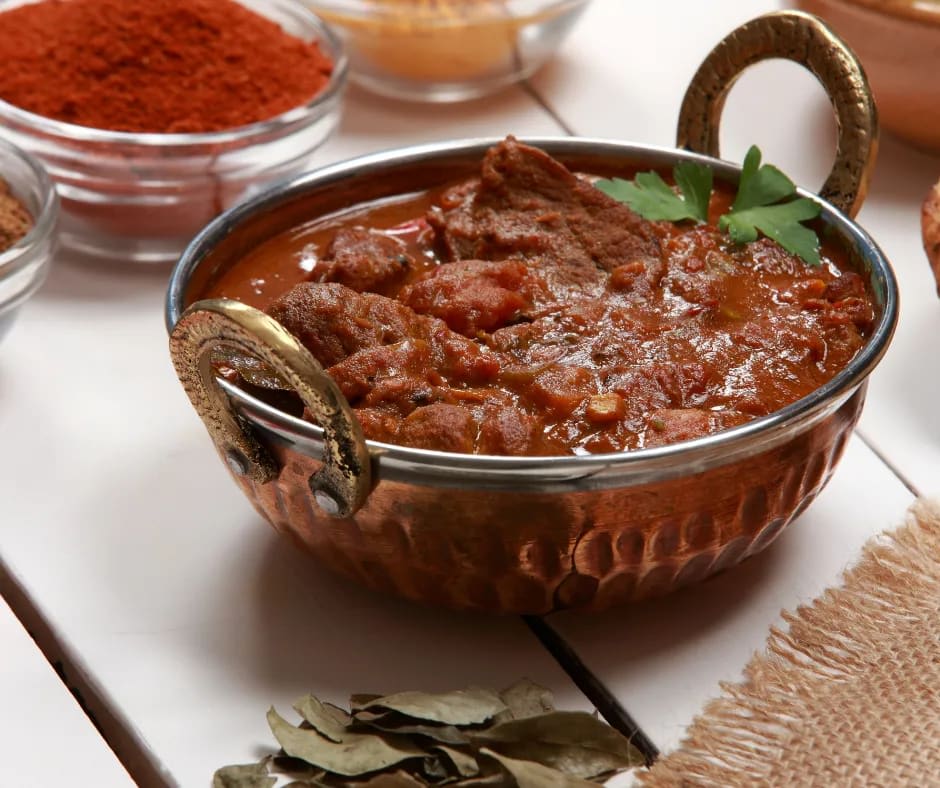
No discussion of Dawat-e-Kashmir is complete without understanding Wazwan, the culinary backbone of Kashmiri feasts.
Wazwan is not just a menu; it is a disciplined cooking tradition that defines how a formal dawat is prepared, presented and remembered.
What makes Wazwan central to Dawat-e-Kashmir:
- A structured multi-course feast
Traditional Wazwan consists of multiple courses served in a specific sequence, each dish building on the last. - Prepared by skilled Wazas
The Waza (traditional Kashmiri chef) trains for years, mastering technique, timing and balance of flavours. - Slow cooking over direct fire
Dishes are cooked patiently, often overnight, allowing flavours to deepen naturally. - Focus on texture and consistency.
Gravies are smooth, meats are tender and spices are measured not overpowering. - Shared serving tradition
Food is often served in large communal plates, reinforcing unity and equality among guests.
Wazwan dishes are not rushed or improvised. Each preparation follows a time-tested process, passed down orally across generations.
Precision matters; too much spice, too little heat, or poor timing is immediately noticeable to trained eyes and palates.
For visitors experiencing Dawat-e-Kashmir, Wazwan is where admiration turns into respect. It reveals how food in Kashmir is treated as a craft, not a commodity.
Every course tells a story of patience, skill and cultural pride, making the dawat not just satisfying, but unforgettable.
Read More On : Weather In Kashmir | Best Time to Visit 2026
Iconic Dishes Served in a Dawat-e-Kashmir
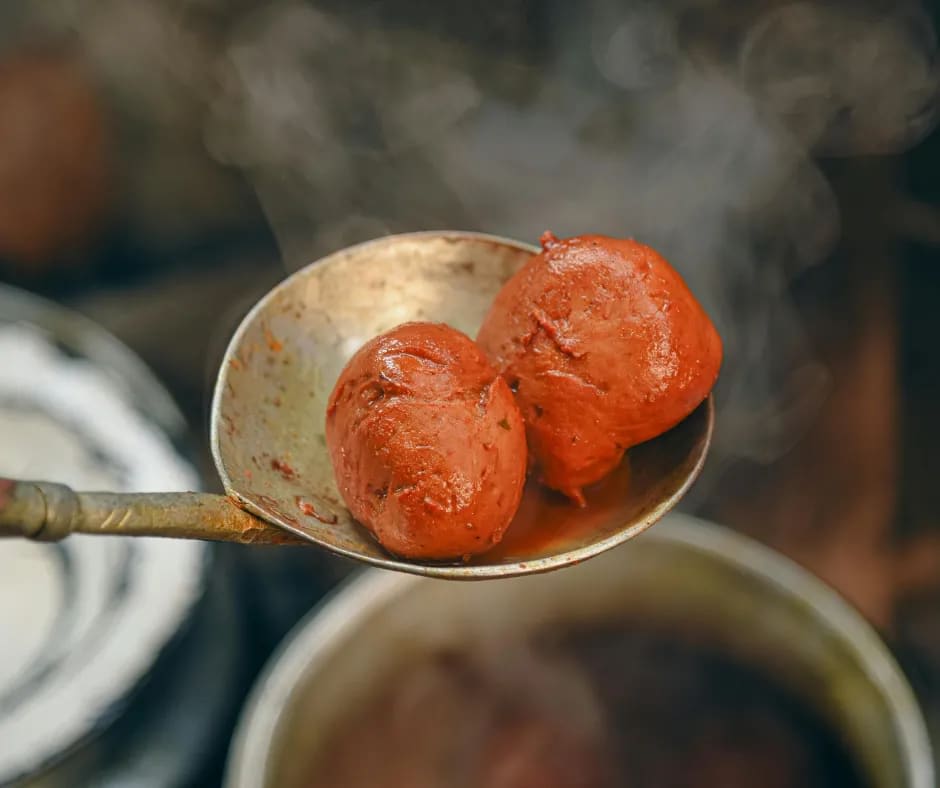
A Dawat-e-Kashmir is remembered not by how much food was served, but by how thoughtfully each dish was prepared. Every item on the spread has a purpose, a history and a place in the sequence of the feast.
Some of the most iconic dishes you’ll encounter include:
- Rogan Josh
A signature Kashmiri dish known for its deep red colour and aromatic gravy, slow-cooked to bring out rich yet balanced flavours. - Yakhni
A delicate yoghurt-based preparation, mildly spiced and comforting, offering contrast to richer meat dishes. - Rista
Soft, hand-pounded meatballs cooked in a smooth saffron-infused gravy, showcasing the technical skill of the Waza. - Gushtaba
Often served as one of the final dishes, this rich preparation symbolises the grand conclusion of a traditional Wazwan. - Dum Aloo
A vegetarian favourite, slow-cooked potatoes infused with spices, proving that simplicity holds its own place in the feast. - Steamed rice and traditional breads
Served as the foundation of the meal, allowing each curry to be experienced as intended.
What stands out is restraint. Spices are never aggressive, flavours are layered and nothing competes for attention. Each dish complements the next, creating a flow rather than a clash.
For travellers, tasting these dishes during a Dawat-e-Kashmir is like reading chapters of a story, each one revealing a different side of Kashmiri culture, craftsmanship and hospitality.
Dawat-e-Kashmir for Tourists: What to Expect

For travellers, experiencing Dawat-e-Kashmir is very different from eating at a restaurant. It is slower, more personal and deeply rooted in tradition. Understanding what to expect helps visitors appreciate the experience rather than rush through it.
Here’s what most tourists notice during a traditional dawat:
- A relaxed pace
Meals are unhurried. Courses arrive gradually, allowing time to eat, talk and absorb the moment. - Warm, attentive hosting
Hosts often encourage guests to eat more, not as pressure, but as a sign of care and respect. - Shared dining traditions
Food may be served in shared platters, creating a sense of togetherness rather than individual dining. - Authentic home-style flavours
The taste is subtle and balanced, very different from commercial or overly spiced versions. - Cultural interaction beyond food
Stories, customs and local insights often accompany the meal, turning it into a cultural exchange.
Tourists are often surprised by how welcoming the experience feels. Even without sharing a language, warmth is communicated through gestures, serving rituals and quiet attention. A dawat does not demand familiarity; it offers inclusion.
This is why Dawat-e-Kashmir becomes one of the most memorable parts of a Kashmir holiday. You don’t just taste local cuisine, you step briefly into the rhythm of Kashmiri life.
Best Places to Experience Dawat-e-Kashmir

The most authentic Dawat-e-Kashmir experiences are not found on menus; they are found in settings where tradition still guides everyday life. For travellers, knowing where to experience this cultural feast makes all the difference.
Common places where Dawat-e-Kashmir is experienced authentically include:
- Kashmiri homes
Home-hosted dawats offer the purest form of the tradition, where food, stories and customs come together naturally. - Cultural stays and heritage homes
Some traditional accommodations preserve local dining customs, offering guests a respectful introduction to Kashmiri food culture. - Wedding and celebration gatherings
Large-scale dawats during weddings showcase the most elaborate form of Wazwan and hospitality. - Seasonal and festival events
Religious and cultural festivals often feature traditional feasts prepared according to age-old practices. - Curated cultural experiences for visitors
Specially arranged experiences allow travellers to observe and participate without disrupting local customs.
What matters most is the setting. A true Dawat-e-Kashmir is defined by intention, not presentation. The warmth of the host, the rhythm of serving and the respect shown to guests are what elevate the experience beyond food.
For visitors, choosing the right setting ensures that Dawat-e-Kashmir feels genuinely rooted in culture rather than staged for convenience.
Vegetarian & Modern Variations of Dawat-e-Kashmir
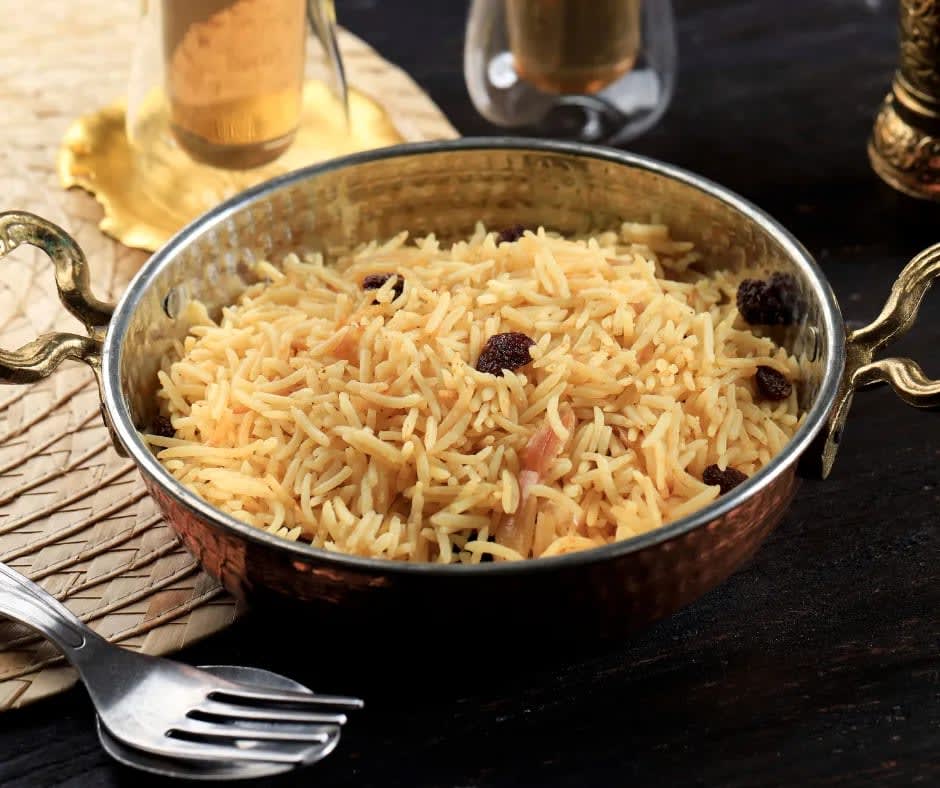
While Dawat-e-Kashmir is often associated with elaborate meat-based feasts, vegetarian traditions have always existed quietly alongside them.
Over time, modern preferences and travel needs have also shaped subtle variations without losing cultural authenticity.
Key aspects of vegetarian and modern adaptations include:
- Traditional vegetarian dishes
Preparations like dum aloo, haak, nadru (lotus stem) and paneer-based dishes have long been part of Kashmiri kitchens. - Simple spice profiles
Vegetarian dishes follow the same principle of balance, aromatic, mild and comforting. - Adaptation for travellers
Meals may be lighter, with fewer courses, to suit modern dining habits. - Inclusion without compromise
Vegetarian guests are served with the same respect and care as others. - Preserving the essence
Even modern versions retain slow cooking, proper sequencing and traditional serving etiquette.
What remains unchanged is intent. Whether elaborate or simple, meat-based or vegetarian, Dawat-e-Kashmir is about making the guest feel valued. Modern variations exist to include, not replace, tradition.
For travellers, this adaptability ensures comfort without sacrificing authenticity, allowing everyone to experience the spirit of Kashmiri hospitality in a way that feels natural.
Cultural Etiquette Tourists Should Know
Understanding etiquette helps visitors experience Dawat-e-Kashmir with respect and ease. These customs are simple, yet deeply meaningful and following them shows appreciation for Kashmiri culture.
Important etiquette to keep in mind:
- Accept food with gratitude
Refusing food repeatedly may be seen as discomfort or dissatisfaction. - Eat at a relaxed pace.
Meals are meant to be enjoyed slowly, not rushed. - Use your right hand while eating.
This is a common cultural practice during traditional meals. - Allow hosts to serve
Hosts often take pride in serving guests themselves. - Avoid wasting food
Leaving excessive food untouched is considered disrespectful. - Observe before acting
Following the lead of others helps avoid unintentional mistakes.
These customs are not enforced rigidly. Kashmiri hosts are understanding and forgiving, especially with visitors. However, small gestures like accepting a second serving or offering kind words go a long way.
For travellers, respecting these traditions transforms Dawat-e-Kashmir from an observation into a shared experience, one rooted in mutual respect rather than curiosity alone.
Why Dawat-e-Kashmir Is a Must-Have Experience
Many travellers come to Kashmir for its landscapes, but they remember it for its people. Dawat-e-Kashmir captures this human side of the valley in a way no sightseeing spot ever can.
Here’s why this experience stays with visitors long after the trip ends:
- It reveals Kashmir beyond visuals
Food offers insight into daily life, values and traditions. - It creates a genuine human connection.
Shared meals dissolve boundaries between host and guest. - It reflects cultural pride and dignity.
Every dish is prepared with care, not display. - It turns travellers into participants.s
You don’t watch the culture, you live it. - It leaves an emotional imprint.
The warmth experienced often becomes the most cherished memory.
Dawat-e-Kashmir is not about indulgence. It is about belonging, even if only for a few hours. For travellers seeking meaningful experiences rather than checklists, this tradition becomes the heart of their Kashmir holiday.
Final Thoughts
Kashmir reveals itself slowly. Through conversations, gestures and shared moments, especially around food. Dawat-e-Kashmir is where these elements come together, offering travellers a rare chance to experience the valley as it truly is.
To sit at a Kashmiri dawat is to be welcomed without conditions. And that, more than mountains or lakes, is what stays with you.
Frequently Asked Questions
No. While weddings feature the most elaborate Dawat-e-Kashmir feasts, the tradition is also observed during religious gatherings, festivals and when honouring important guests.
Yes. Travellers can experience Dawat-e-Kashmir through cultural stays, curated food experiences and traditional Kashmiri homes that welcome guests respectfully.
Not always. Vegetarian dishes have long been part of Kashmiri cuisine and many Dawat-e-Kashmir experiences include thoughtfully prepared vegetarian options.
Dawat-e-Kashmir is a cultural ritual, not a commercial meal. It follows traditional serving customs, shared dining practices and hospitality values rarely found in restaurants.
The best time is during wedding seasons and major festivals, when traditional feasts are prepared with full cultural authenticity and community involvement.