
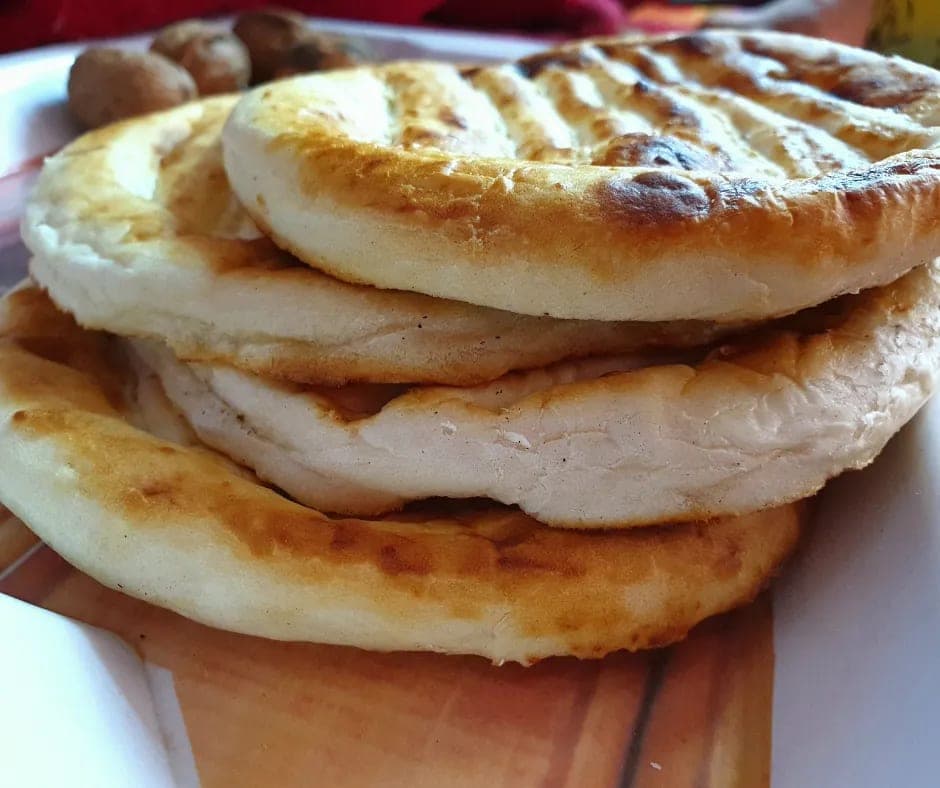
Kashmir life is a blend of rich culture, traditional cuisine, warm hospitality, seasonal living, and deep-rooted community traditions shaped by the valley’s natural beauty.
Most travelers visit Kashmir for its snow-covered mountains, peaceful lakes, and postcard-perfect valleys. But the true beauty of Kashmir life begins far beyond the tourist attractions.
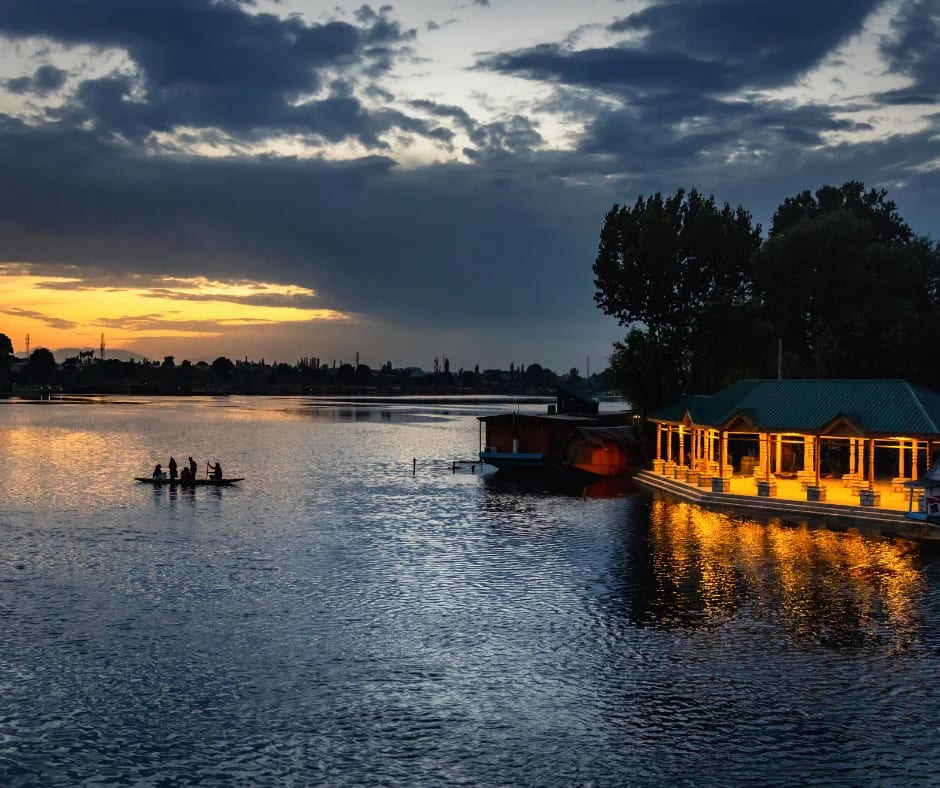
Walk through the old streets of Srinagar early in the morning, and you’ll smell fresh bread coming out of traditional bakeries. Sit beside Dal Lake during sunset, and you’ll hear stories from locals who have spent generations living on houseboats. Visit a Kashmiri village, and you’ll discover a slower, more connected way of life built around family, seasons, traditions, and hospitality.
Life in Kashmir is deeply rooted in culture. Every season changes daily routines, every meal carries history, and every tradition reflects centuries of heritage passed down through generations.
Whether you are planning a Kashmir trip or simply curious about Kashmiri culture, understanding local life gives you a much deeper connection with the valley.
In this guide, you’ll explore:
Daily life in Kashmir
Kashmiri traditions and customs
Food culture and famous dishes
Village lifestyle
Festivals and celebrations
Traditional clothing and handicrafts
Modern life in Srinagar
Authentic cultural experiences for travelers
What Is Daily Life Like in Kashmir?
Daily life in Kashmir combines tradition with simplicity. People wake up early, especially in villages and old Srinagar neighborhoods, where mornings begin with bakery visits, tea preparation, and community gatherings.
Unlike crowded metro cities, life here moves at a calmer pace. Relationships, hospitality, and family traditions remain central to Kashmiri society.
Morning Culture in Kashmir
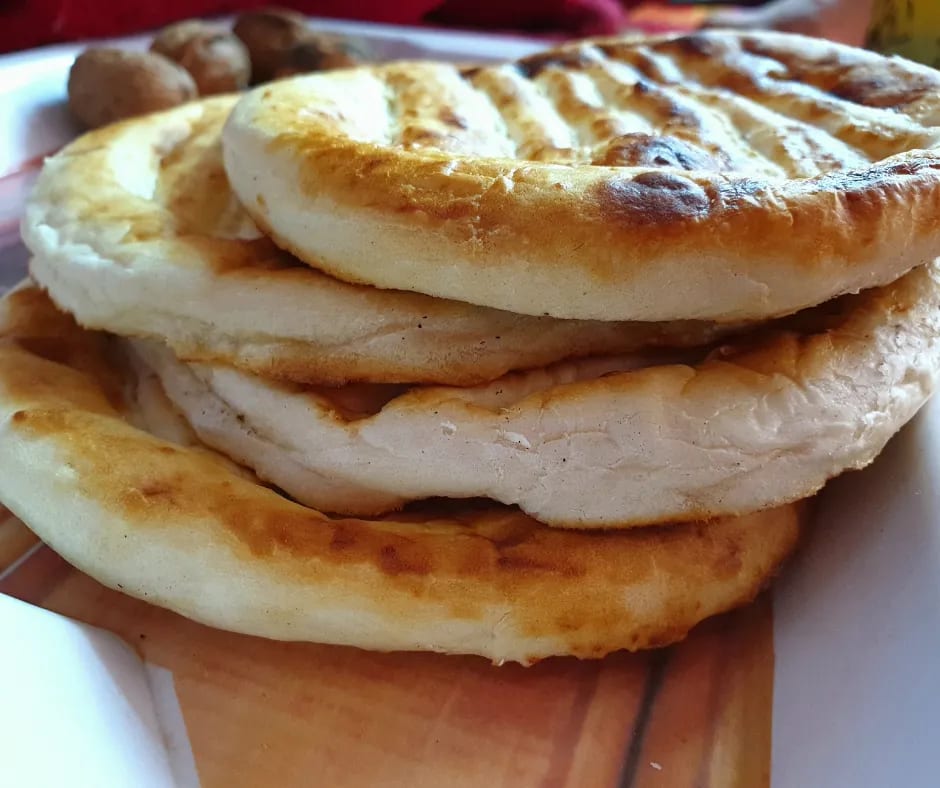
Morning routines are an important part of Kashmiri life.
Local bakeries called kandur wans prepare freshly baked breads such as:
Lavasa
Girda
Kulcha
Sheermal
Residents often buy bread before sunrise and pair it with:
Noon chai
Kahwa
Butter tea during the winter
Tea shops become social spaces where locals discuss weather, politics, farming, and everyday life.
In Srinagar’s older neighborhoods, traditional wooden houses overlook narrow lanes filled with spice sellers, handicraft shops, and street vendors.
Kashmiri Culture and Traditions
Kashmiri culture reflects influences from Persian, Central Asian, and Indian traditions. Poetry, music, food, spirituality, and craftsmanship all shape the region’s identity.
Despite modernization, many customs remain unchanged across generations.
Hospitality in Kashmiri Culture
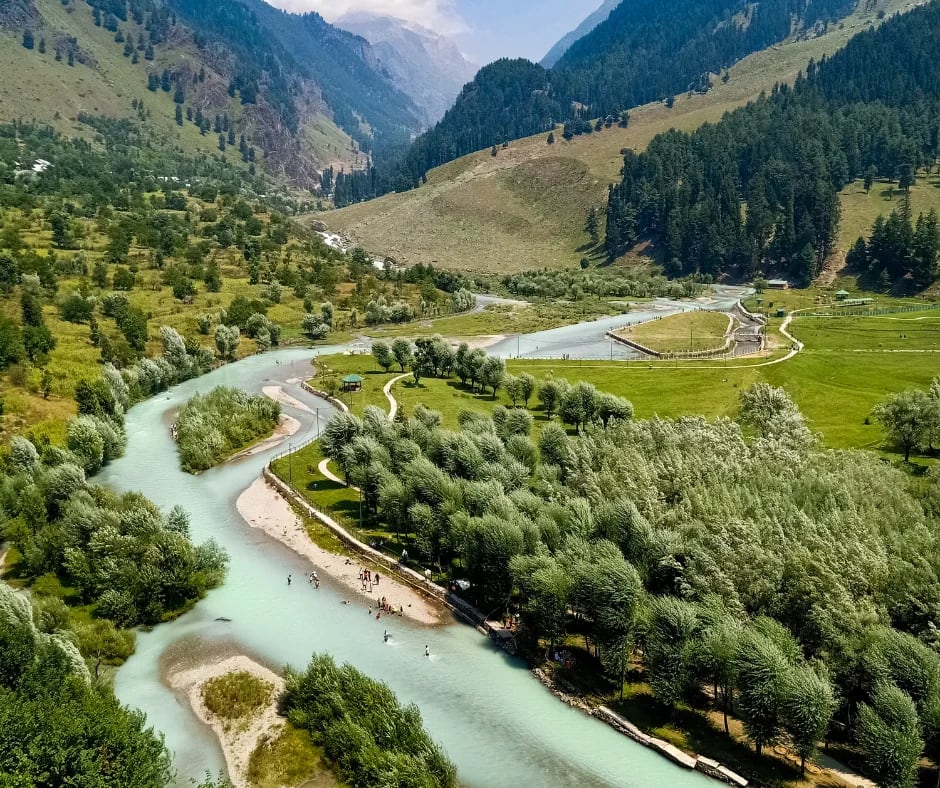
Hospitality is one of the strongest parts of Kashmiri traditions. Guests are welcomed warmly and treated with respect.
In many homes, visitors are immediately offered:
Kahwa tea with saffron and almonds
Noon chai with traditional bread
Homemade meals
Dry fruits during the winter months
Even in remote villages, travelers often experience genuine warmth from local families.
Family and Community Values
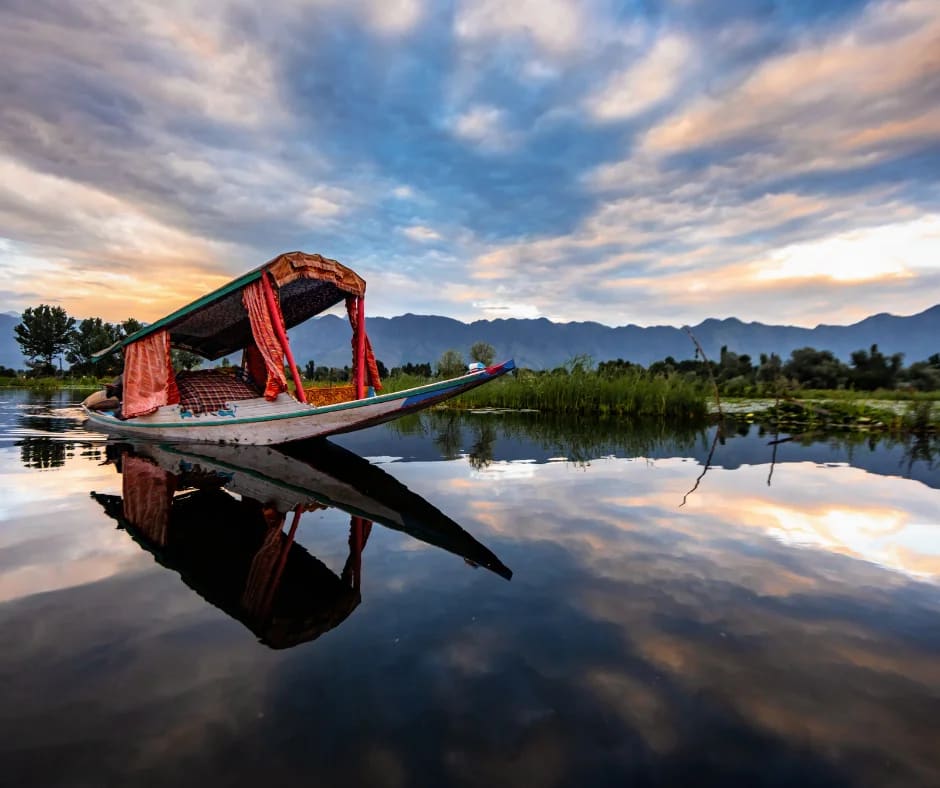
Joint families are still common in Kashmir, especially in rural areas. Family gatherings play an important role during:
Weddings
Religious festivals
Harvest seasons
Community celebrations
Neighbors maintain close relationships, and social support remains deeply valued.
Traditional Clothing in Kashmir
The traditional dress of Kashmir is designed around the valley’s cold climate.
Pheran: The Traditional Kashmiri Outfit

The pheran is a long woolen garment worn by both men and women during winter. It provides warmth and comfort during heavy snowfall.
Women often wear embroidered pherans with colorful patterns, while men usually prefer simpler styles.
Check out our latest blog on Adventure Tourism in Kashmir: What to Expect in 2026
Kangri: Kashmir’s Traditional Heater
One of the most unique aspects of Kashmir life is the kangri, a portable earthen pot filled with hot charcoal and carried beneath the pheran during winter.
For centuries, the kangri has helped people survive freezing temperatures during harsh winters.
Food Culture in Kashmir
Food is one of the most memorable parts of Kashmiri life. Kashmiri cuisine is rich, aromatic, and deeply connected to tradition.
Meals are often slow-cooked using saffron, fennel, dry ginger, yogurt, and traditional spices.
Famous Kashmiri Dishes
Dish | Description |
|---|---|
Rogan Josh | Aromatic lamb curry cooked with Kashmiri spices |
Yakhni | Yogurt-based mutton curry |
Gushtaba | Minced meatballs in creamy gravy |
Dum Aloo | Potatoes cooked in spicy red gravy |
Harissa | Slow-cooked winter delicacy popular in Srinagar |
Traditional Kashmiri Drinks
Kahwa
A fragrant green tea prepared with:
Saffron
Cinnamon
Almonds
Cardamom
Kahwa is commonly served to guests and consumed during cold weather.
Noon Chai
Also called pink tea, noon chai is made with salt, milk, and tea leaves. It is usually paired with traditional Kashmiri bread during breakfast.
Wazwan: The Pride of Kashmiri Cuisine

No discussion about Kashmiri life is complete without mentioning Wazwan.
Wazwan is a traditional multi-course feast served during weddings and celebrations. It represents Kashmiri hospitality, culinary expertise, and community culture.
A traditional wazwan may include:
Rista
Rogan Josh
Gushtaba
Tabak Maaz
Marchwangan Korma
Meals are traditionally shared in groups, symbolizing togetherness and respect for guests.
Village Life in Kashmir
Village life in Kashmir feels peaceful, traditional, and closely connected to nature.
Agriculture remains one of the primary occupations across many rural regions.
Farming and Agriculture
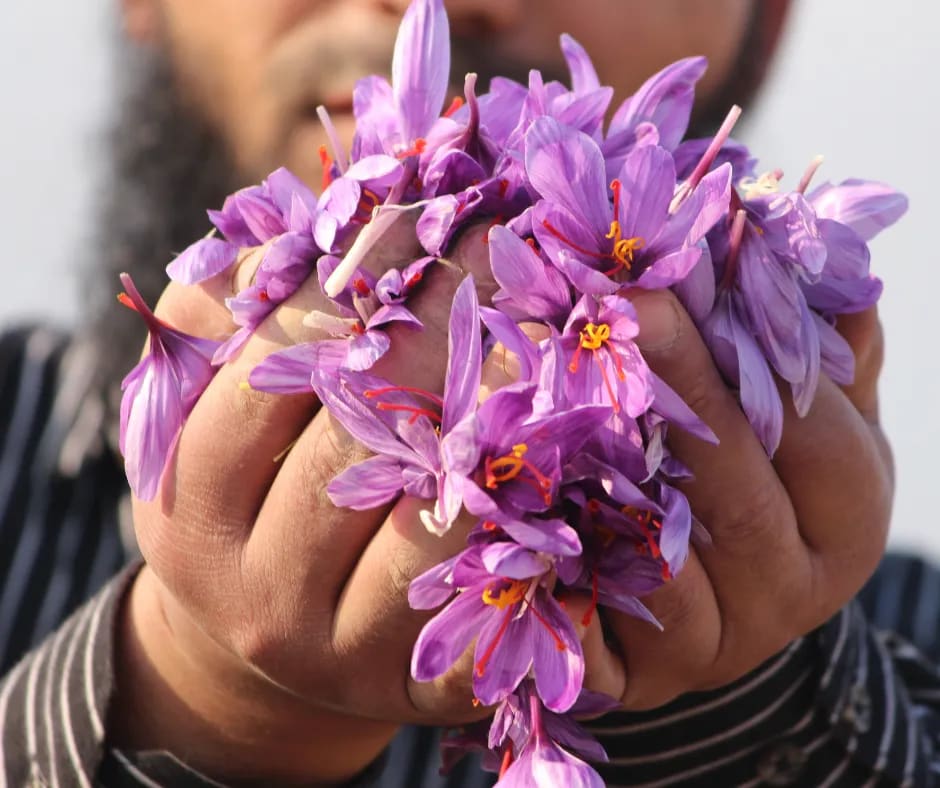
Kashmiri villages are known for:
Apple orchards
Saffron farming
Walnut cultivation
Rice fields
During harvest seasons, entire communities often work together on farms and orchards.
Villages also preserve older traditions more strongly than urban areas.
Traditional Village Homes
Many traditional Kashmiri homes are built using:
Wood
Brick
Stone
Homes often feature:
Sloped roofs for snowfall
Carved wooden windows
Traditional heating systems
In colder areas, architecture is specially designed to handle harsh winters.
How Seasons Shape Kashmir Life
Life in Kashmir changes dramatically with every season.
Winter in Kashmir

Winter transforms the valley completely. Heavy snowfall affects transportation, routines, and daily activities.
During winter:
People wear thick pherans
Kangris are used for warmth
Families spend more time indoors
Harissa becomes a popular breakfast dish
Snow-covered landscapes also attract tourists for skiing and winter sports in Gulmarg.
Spring in Kashmir
Spring brings:
Tulip gardens
Blooming almond trees
Fresh greenery
Pleasant weather
The season marks the return of outdoor markets and tourism activity.
Summer in Kashmir
Summer is ideal for:
Farming
Tourism
Trekking
Houseboat stays
Local markets become lively with handicrafts, fruits, and traditional foods.
Autumn in Kashmir
Autumn is famous for:
Golden chinar trees
Apple harvesting
Saffron fields in Pampore
Many photographers consider autumn the most beautiful season in Kashmir.
Festivals and Celebrations in Kashmir

Festivals hold deep cultural and spiritual importance in life.
Eid Celebrations
Eid is celebrated with:
Family gatherings
Traditional meals
New clothes
Community prayers
Markets become crowded with shoppers buying sweets, clothing, and gifts.
Herath (Kashmiri Shivratri)
Herath is one of the most important festivals among Kashmiri Pandits. Families celebrate with traditional rituals, special dishes, and prayers.
Tulip Festival
The Tulip Festival in Srinagar attracts visitors from across India and beyond. It showcases Asia’s largest tulip garden against the backdrop of the Zabarwan mountains.
Religion and Spiritual Influence
Spirituality plays a major role in Kashmir’s cultural identity.
The region is home to:
Mosques
Shrines
Sufi centers
Many locals visit shrines regularly, especially during religious occasions.
Sufi Culture in Kashmir
Sufi traditions have historically shaped Kashmiri culture through:
Poetry
Music
Spiritual teachings
Community harmony
Several famous shrines continue to attract pilgrims and travelers throughout the year.
Traditional Arts and Handicrafts
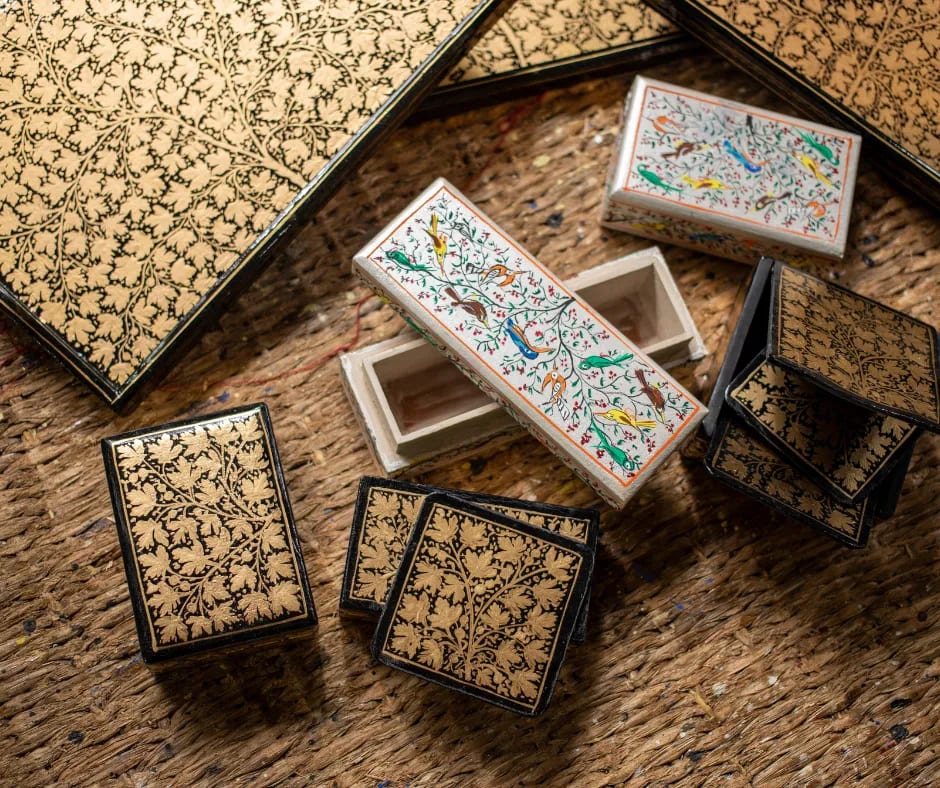
Kashmir is globally known for its craftsmanship and artistic heritage.
Many families have practiced these skills for generations.
Famous Kashmiri Handicrafts
Pashmina Shawls
Known worldwide for their softness and craftsmanship.
Handmade Carpets
Kashmiri carpets feature detailed patterns inspired by Persian art.
Papier-Mache Art
Colorful, handcrafted decorative items painted by local artisans.
Walnut Wood Carving
Traditional furniture and décor items made from walnut wood remain highly valued.
Shopping from local artisans helps preserve Kashmir’s traditional crafts and supports local communities.
Modern Lifestyle in Kashmir

While traditions remain strong, modern life in Kashmir continues to evolve.
Urban Life in Srinagar
Srinagar today combines old heritage with modern lifestyles.
You’ll find:
Cafes and restaurants
Universities and colleges
Shopping malls
Modern hotels
Social media-driven businesses
Young Kashmiris are increasingly involved in:
Tourism
Entrepreneurship
Digital content creation
Education and technology sectors
Despite these changes, traditional values remain important in daily life.
Authentic Experiences Travelers Should Not Miss
If you truly want to experience Kashmir life beyond tourism, focus on local experiences instead of only sightseeing.
Stay in a Traditional Houseboat
Living on a houseboat allows travelers to experience:
Kashmiri hospitality
Local cuisine
Dal Lake lifestyle
Visit Local Bakeries Early Morning
Traditional bakeries offer one of the most authentic glimpses into Kashmiri daily life.
Explore Local Markets
Visit:
Srinagar old city
Lal Chowk
Floating vegetable markets
These places reveal the rhythm of local life beyond tourist areas.
Try Traditional Wazwan
Experiencing an authentic wazwan meal is essential for understanding Kashmiri culture and hospitality.
Why Kashmir Life Feels Different
What makes Kashmir life unique is not only the scenery but the emotional connection people have with their traditions, families, and land.
The valley teaches patience, warmth, and simplicity. Seasons shape routines, meals bring families together, and hospitality remains part of everyday life.
For travelers, Kashmir becomes memorable not only because of the mountains and lakes but also because of the people who make the valley feel alive.
Final Thoughts
Kashmir life is a beautiful blend of culture, tradition, spirituality, food, craftsmanship, and community living. From the busy markets of Srinagar to peaceful mountain villages, every part of the valley reflects centuries of heritage and resilience.
Whether you are sipping kahwa beside Dal Lake, walking through saffron fields, or sharing a traditional wazwan meal with locals, Kashmir offers experiences that go far beyond sightseeing.
To truly understand Kashmir, you must experience its people, traditions, and everyday life.
Frequently Asked Questions
What is daily life like in Kashmir?
Daily life in Kashmir revolves around family, traditions, tea culture, farming, local markets, and seasonal living shaped by the valley’s climate.
What food is famous in Kashmir?
Popular Kashmiri dishes include Rogan Josh, Yakhni, Gushtaba, Dum Aloo, Harissa, and the traditional Wazwan feast.
What is the traditional dress of Kashmir?
The traditional outfit is called a pheran, a loose woolen garment commonly worn during winter.
What makes Kashmiri culture unique?
Kashmiri culture is known for its hospitality, handicrafts, cuisine, spirituality, poetry, and strong community values.
What is the best way to experience authentic Kashmir life?
Travelers can experience authentic Kashmir life through village stays, local food experiences, houseboat stays, traditional markets, and cultural interactions with locals.