
Planning a trip to Kashmir and wondering what to wear? You’re not alone. Between snow-covered valleys, blooming tulip gardens, and crisp mountain air, your clothing choices shape your comfort, photos, and overall experience. Kashmir isn’t a destination where you can pack randomly. The weather shifts quickly, and cultural awareness matters just as much as staying warm.
Walk through Srinagar or relax by Dal Lake, and you’ll notice how clothing blends tradition with practicality. Locals rely on outfits designed for warmth and identity, while travelers adapt with layered, functional styles. This guide helps you understand both, so you don’t just dress right, you travel smart.
Kashmir dress includes traditional attire like the pheran for warmth and cultural identity, along with modern layered clothing such as jackets, sweaters, and boots suited to the region’s changing weather.
Check out our latest post on Where is Tulip Garden in Kashmir? Location & Route
Traditional Kashmir Dress: The Heart of Kashmiri Culture
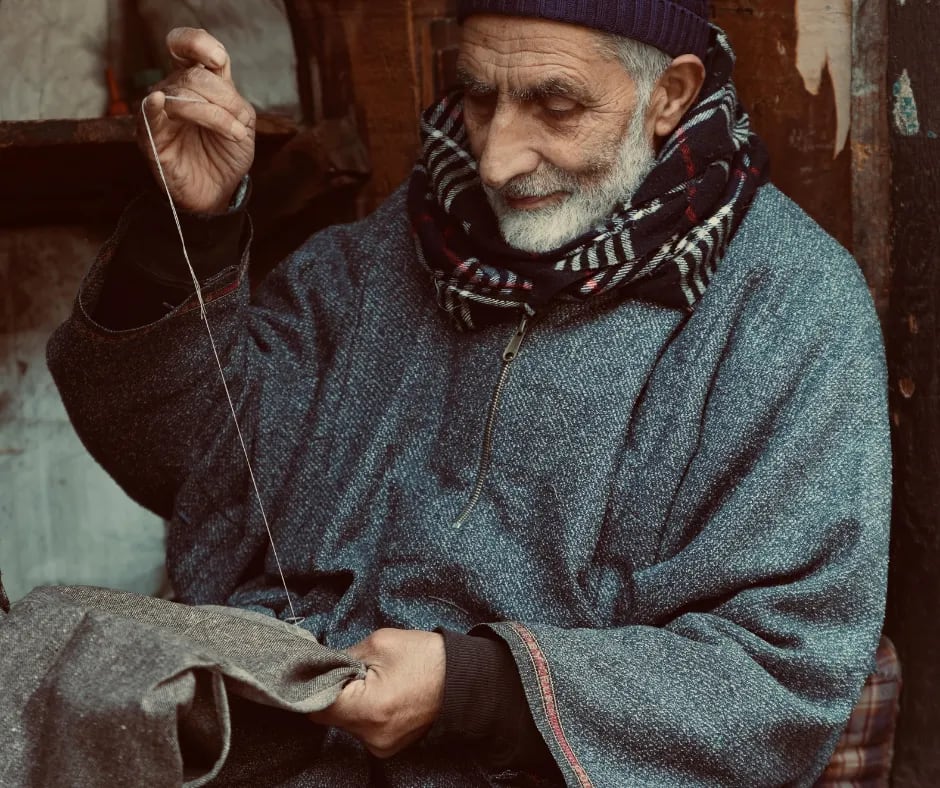
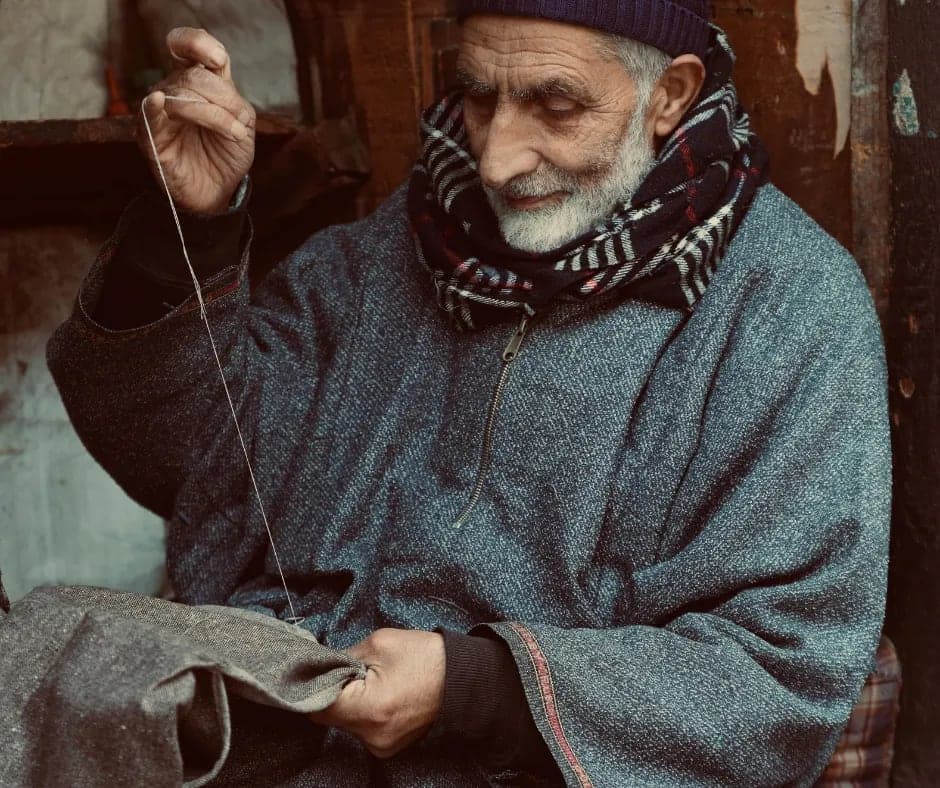
Traditional Kashmiri clothing reflects centuries of adaptation to cold weather and cultural identity. The most iconic garment is the pheran, a loose, long cloak worn by both men and women. It’s designed to trap heat and allow easy layering, making it essential during harsh winters.
For locals, the pheran is not occasional wear; it’s daily life. In winter, it’s often paired with a kangri, a small fire pot carried underneath for warmth. This combination shows how clothing in Kashmir is deeply practical, not just aesthetic.
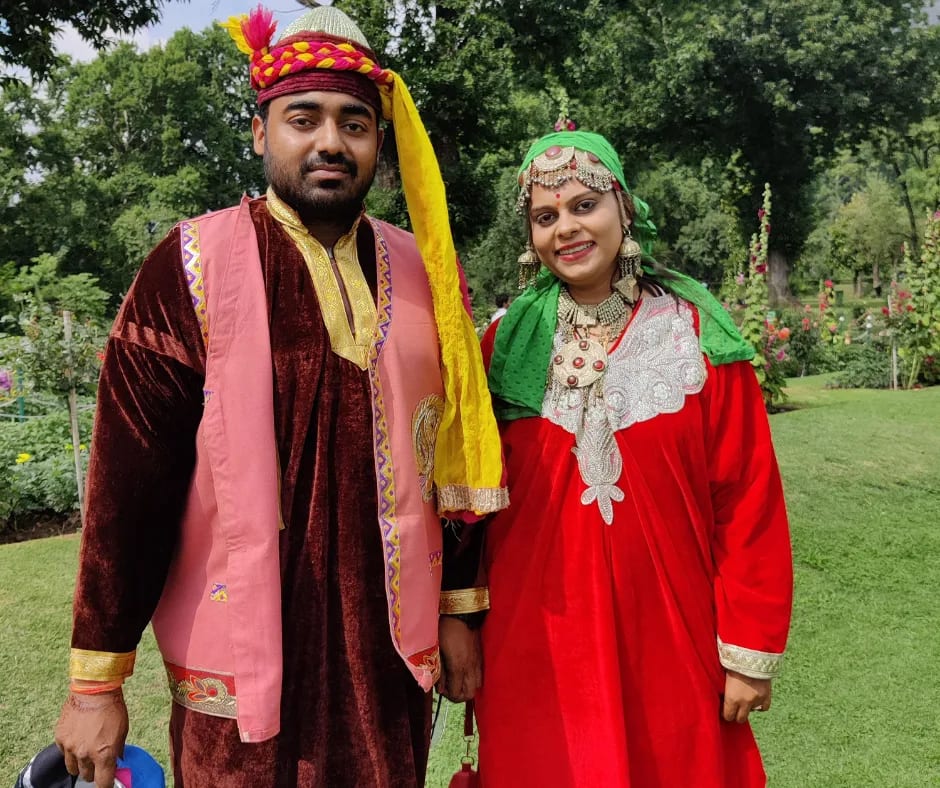
Women’s pherans are often beautifully decorated with Kashida embroidery, especially around the neckline and sleeves. Men’s pherans tend to be simpler, focusing more on function than design. Beyond the pheran, traditional dressing also includes luxurious pashmina shawls and head coverings.
Key Elements of Traditional Dress:
Pheran: Core garment for warmth and comfort
Kangri: Traditional heating pot used underneath
Pashmina shawls: Lightweight yet warm
Kashida embroidery: Detailed handwork unique to Kashmir
What makes traditional attire stand out is its balance between necessity and identity. It protects against freezing temperatures while preserving heritage. Even today, many locals prefer traditional clothing over modern alternatives, especially in winter.
For you as a traveler, trying a pheran is more than a fashion choice. It’s a way to step into Kashmir’s lifestyle and understand how people live through extreme winters with simple yet effective clothing.
Check out our latest blog on Adventure Tourism in Kashmir: What to Expect in 2026
Modern Kashmiri Dressing: Practical Meets Stylish
Modern dressing in Kashmir revolves around comfort, layering, and adaptability. While traditional clothing remains important, especially for locals, travelers and younger generations lean toward practical, global styles that suit changing weather conditions.
The biggest rule here is layering. Temperatures can vary within hours, so wearing multiple layers helps you adjust easily without discomfort. A typical outfit may include a base layer, a sweater, and a jacket that you can remove or add as needed.
In winter, insulation becomes the priority. Heavy jackets, thermals, woolen sweaters, and waterproof boots dominate. In contrast, summer outfits focus on breathability while still maintaining modesty.
What Defines Modern Dressing:
Layering system: Easy to adjust throughout the day
Functional outerwear: Jackets, coats, and thermals
Comfortable footwear: Essential for walking and exploring
Fusion styling: Mixing Western outfits with local shawls
You’ll also notice a growing trend where locals blend modern and traditional styles. For example, pairing jeans with a pheran or draping a pashmina over a Western outfit. This creates a unique fashion identity that feels both contemporary and rooted.
As a traveler, you don’t need to follow trends. Focus on comfort, mobility, and weather readiness. When your outfit works with the environment, your entire trip feels smoother and more enjoyable.
Seasonal Dressing Guide for Kashmir

Kashmir’s seasons are distinct, and your clothing needs change dramatically throughout the year. Packing without understanding the seasons can leave you uncomfortable and unprepared.
Winter is intense, with freezing temperatures and heavy snowfall. Spring brings mild weather and blooming landscapes. Summer is pleasant but not overly hot, while autumn introduces crisp air and stunning golden scenery.
What to Wear by Season:
Winter (Dec-Feb):
Heavy woolens and thermal wear
Insulated jackets and coats
Gloves, caps, and waterproof boots
Spring (Mar-Apr):
Light woolens and sweaters
Comfortable jeans or trousers
Closed shoes or sneakers
Summer (May-Aug):
Cotton clothes and breathable fabrics
Full sleeves for sun protection
Light jackets for evenings
Autumn (Sep-Nov):
Layered outfits
Light jackets and shawls
Earth-toned clothing for comfort and style
Each season offers a different vibe, and your clothing should match that experience. Dressing correctly ensures you can enjoy everything from snow activities to garden strolls without discomfort.
What Should Travelers Wear in Kashmir?
As a traveler, your goal is to stay comfortable, prepared, and respectful. Kashmir is not only about scenic beauty, but it’s also about cultural sensitivity and practical dressing.
Start with layering. Even in summer, mornings and evenings can surprise you with a chill. In winter, proper layering becomes essential to avoid discomfort in freezing conditions.
Footwear is equally important. You’ll be walking a lot, whether in markets, gardens, or mountain areas. Comfortable and durable shoes make a big difference.
Smart Travel Dressing Tips:
Always carry an extra layer, regardless of the season
Choose comfortable walking shoes or boots
Avoid overly revealing clothing
Try a pheran for cultural experience and photos
Use scarves and accessories for both style and function
Another thing to keep in mind is flexibility. Your day might include a shikara ride, sightseeing, and walking tours. Wearing adaptable clothing helps you move freely and enjoy each activity.
Dressing right isn’t about fashion statements. It’s about feeling relaxed and ready for everything Kashmir offers.
Fabrics That Define the Kashmir Dress

The choice of fabric in Kashmir is directly influenced by its climate. Wearing the right material can significantly impact your comfort during the trip.
Wool is the backbone of winter clothing in Kashmir. It provides insulation and retains heat, making it ideal for cold weather. Pashmina, known for its softness and luxury, offers warmth without adding bulk.
Cotton becomes essential during the summer. It allows your skin to breathe and keeps you comfortable during long days outdoors. Silk and blended fabrics are often used for decorative or occasional wear.
Common Fabrics and Their Uses:
Wool: Best for insulation in winter
Pashmina: Lightweight warmth and elegance
Cotton: Ideal for summer comfort
Silk blends: Used in decorative garments
Understanding fabrics helps you pack smarter. Instead of carrying unnecessary items, you can focus on materials that match the season and environment.
Cultural Etiquette and Dressing Tips in Kashmir
Dressing in Kashmir isn’t only about the weather. It also reflects respect for local culture and traditions. While tourists are welcome, dressing modestly helps you blend in and interact more comfortably with locals.
Kashmir has a conservative cultural setting, especially in rural areas and religious places. Choosing outfits that cover shoulders and legs is generally appreciated.
Cultural Dressing Tips:
Wear modest and comfortable clothing
Carry a scarf for religious places
Avoid flashy or overly revealing outfits
Dress simply when visiting local areas
Respect traditions while staying comfortable
Men should also keep their outfits simple and avoid overly casual attire in traditional settings. Dressing appropriately creates a positive impression and often leads to warmer interactions with locals.
When you respect local norms, your travel experience becomes more meaningful. It allows you to connect beyond sightseeing and truly understand the place you’re visiting.
Final Thoughts
Kashmir dress is more than clothing; it’s a blend of culture, climate, and comfort. Whether you choose a traditional pheran or modern layered outfits, the goal remains the same: stay comfortable and enjoy your journey.
Dress smart, pack wisely, and allow yourself to experience Kashmir not just through its landscapes, but through its lifestyle.
Frequently Asked Questions
Do I need heavy winter clothes for Kashmir in October?
October in Kashmir marks the beginning of autumn, so heavy winter wear isn’t necessary. However, you should carry light jackets, sweaters, and layers as temperatures start dropping, especially in the evenings.
Can I wear jeans in Kashmir comfortably?
Yes, jeans are suitable for Kashmir in most seasons. Pair them with warm layers in winter or light tops in summer for a comfortable and practical outfit.
Is it safe to wear dresses or skirts in Kashmir?
You can wear dresses or skirts, but it’s better to choose modest lengths and styles. Pairing them with leggings or layering helps you stay comfortable and respectful of local culture.
What should I wear for a shikara ride in Srinagar?
For a shikara ride, wear comfortable layered clothing. A light jacket or shawl is useful, as it can get breezy on the water, especially during mornings and evenings.
Are woolen clothes easily available in Kashmir for tourists?
Yes, woolen clothes like shawls, sweaters, and pherans are widely available in local markets. However, it’s still better to carry basic winter essentials with you.