
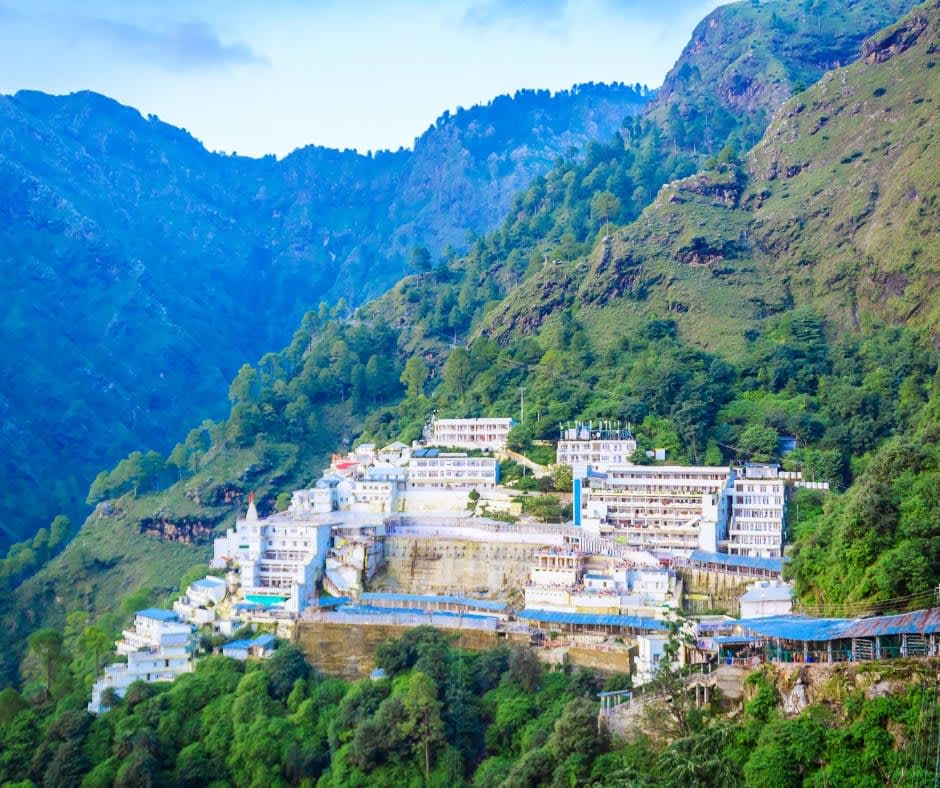
The moment you hear “Jai Mata Di” echo through the mountains, the journey feels different. It stops being a regular trip and becomes something deeply personal.
Every year, millions of pilgrims travel to the Vaishno Devi Temple Jammu Kashmir, seeking blessings, strength, and peace. Some walk the entire route barefoot. Some travel with families and elderly parents. Others arrive with a single prayer in their hearts.
No matter why you visit, the Vaishno Devi Yatra leaves you with memories that stay long after the trek ends.
If you are planning your pilgrimage, this complete guide covers everything you need including registration, trek routes, helicopter booking, accommodation, travel costs, weather, and practical tips for a smooth journey.
Vaishno Devi Temple is one of India’s most sacred Hindu pilgrimage sites located in the Trikuta Hills near Katra in Jammu and Kashmir. Pilgrims complete a 13-kilometer trek to seek blessings from Mata Vaishno Devi at the holy cave shrine.
Planning a romantic getaway? Explore our Kashmir Honeymoon Package for a memorable experience.
Where is the Vaishno Devi Temple Located?
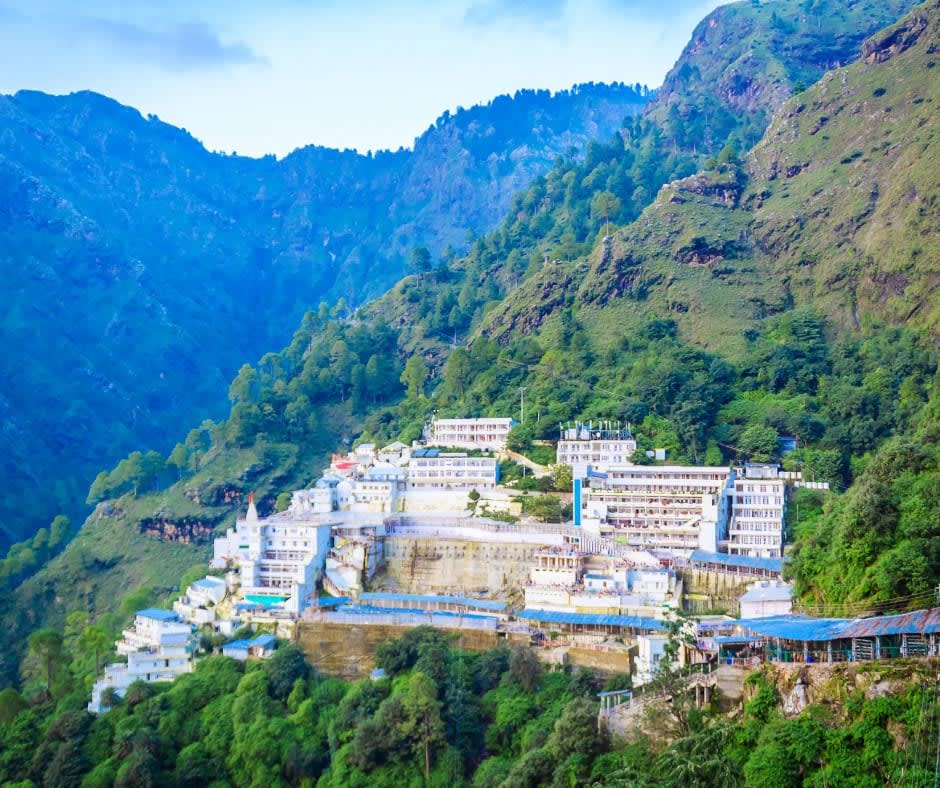
The temple is situated near Katra in the Reasi district of Jammu and Kashmir. The sacred Bhawan stands at an altitude of approximately 5,200 feet in the Trikuta Hills.
Distance Chart
Route | Distance |
|---|---|
Jammu to Katra | Approx. 50 km |
Katra to Bhawan | Approx. 13 km |
Bhawan to Bhairon Temple | Approx. 2 km |
Katra serves as the base camp for the Vaishno Devi Yatra and offers hotels, restaurants, registration counters, and transport facilities for pilgrims.
History and Spiritual Importance of Vaishno Devi Temple
According to Hindu beliefs, Mata Vaishno Devi is a manifestation of Maha Kali, Maha Lakshmi, and Maha Saraswati.
Unlike traditional temples with idols, the sanctum inside the holy cave contains three naturally formed rock structures called Pindis. These represent the three forms of the goddess.
Devotees believe that completing the yatra with devotion fulfills wishes and brings spiritual peace. The climb through the mountains is seen as an act of faith and determination.
How to Reach Vaishno Devi Temple

By Air
The nearest airport is Jammu Airport. Taxis and buses are easily available from Jammu to Katra.
By Train
Shri Mata Vaishno Devi Katra Railway Station connects major Indian cities, including Delhi, Mumbai, Ahmedabad, and Kolkata.
By Road
Regular buses, taxis, and private cabs operate between Jammu and Katra. The road journey usually takes around 1.5 to 2 hours.
Vaishno Devi Yatra Registration Process
Yatra registration is mandatory for all pilgrims.
You can register:
Online through the official shrine board website
Offline at registration counters in Katra
After registration, you receive a Yatra Parchi, which is required to begin the trek.
Official Registration Website
Shri Mata Vaishno Devi Shrine Board
During Navratri and holiday seasons, registration queues can become crowded, so online registration is recommended.
Check out our latest blog on Kashmir Stag: The Critically Endangered Hangul
Vaishno Devi Trek Route Guide
The traditional trek from Katra to Bhawan is approximately 13 kilometers long.
Important Stops During the Trek
Stop | Distance from Katra |
|---|---|
Banganga | 1 km |
Charan Paduka | 2.5 km |
Ardhkuwari | 6 km |
Sanjichhat | 9.5 km |
Bhawan | 13 km |
The entire route is paved and well-maintained with food stalls, resting points, medical facilities, and drinking water available along the way.
How Difficult Is the Trek?
The trek is moderately easy for most travelers. Pilgrims with average fitness can complete it comfortably.
If you start the climb after sunset during summer, the cooler weather makes the journey much easier and more comfortable.
For elderly travelers and families, these options are available:
Pony rides
Palkis
Battery car services
Helicopter services
How Long Does the Vaishno Devi Trek Take?
Travel Method | Approx. Time |
|---|---|
Walking | 5–8 hours |
Pony Ride | 4–6 hours |
Battery Car | Partial route only |
Helicopter + Walk | 2–3 hours |
Travel time depends on weather, crowd levels, and fitness.
During peak pilgrimage periods, especially Navratri, trekking time may increase because of heavy crowds.
Helicopter Service for Vaishno Devi
Helicopter services operate between Katra and Sanjichhat.
Helicopter Details
Service | Information |
|---|---|
Route | Katra to Sanjichhat |
Flight Duration | Around 8 minutes |
Remaining Trek | Approx. 2.5 km |
Booking | Online recommended |
Helicopter tickets often sell out quickly during weekends and festivals, so booking is essential.
Best Time to Visit Vaishno Devi Temple
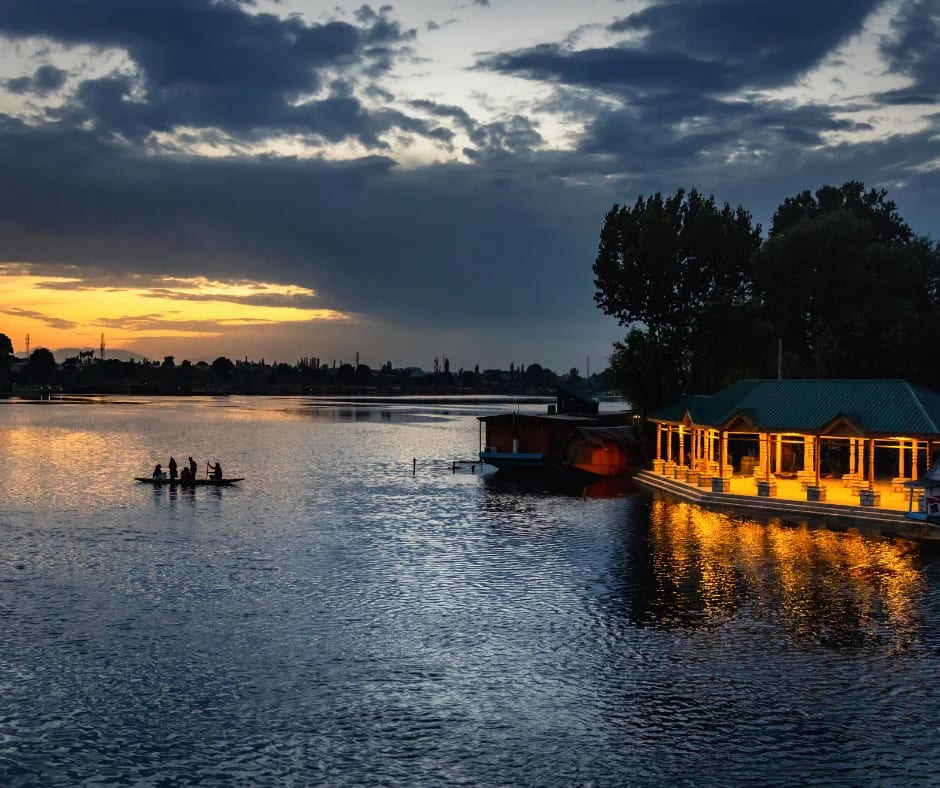
The shrine remains open throughout the year, but each season offers a different experience.
Summer (March to June)
Pleasant weather
Best for family trips
Comfortable trekking conditions
Monsoon (July to September)
Green mountain views
Occasional slippery paths
Moderate tourist crowds
Winter (October to February)
Cold temperatures
Possible snowfall in upper areas
Peaceful atmosphere with fewer pilgrims
For comfortable weather and easier travel conditions, March to June and September to November are considered ideal.
Vaishno Devi Darshan Timings
The shrine remains open most of the day except during Aarti ceremonies.
Aarti Timings
Morning Aarti
Evening Aarti
These ceremonies are spiritually significant and attract large numbers of devotees daily.
Vaishno Devi Trip Cost Breakdown
Your overall trip cost depends on transport, accommodation, and travel style.
Estimated Budget for 2 Days
Expense | Approx. Cost |
|---|---|
Hotel in Katra | ₹1,000–₹5,000 |
Food | ₹500–₹1,500 |
Helicopter Ticket | Varies seasonally |
Jammu to Katra Taxi | ₹1,500–₹2,500 |
Pony/Palki Services | Extra charges |
Budget travelers can complete the pilgrimage economically, while families often prefer premium hotels and helicopter packages for convenience.
Best Hotels Near Vaishno Devi Temple
Katra offers accommodation options for every budget.
Popular Stay Options
Budget guest houses
Mid-range hotels
Luxury hotels
Shrine board accommodations
Most pilgrims prefer staying near Banganga or the main market area for easy access to the trekking route.
During peak seasons, hotel prices rise sharply, so booking is strongly recommended.
Places to Visit Near Vaishno Devi
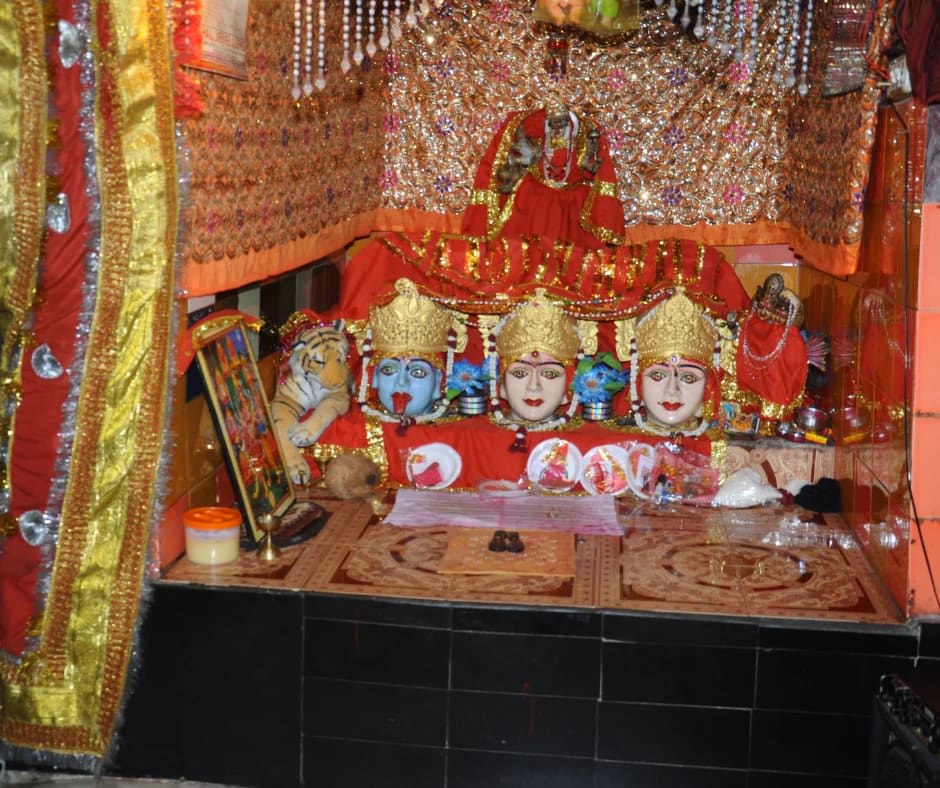
Ardhkuwari Cave
A sacred cave where Mata Vaishno Devi is believed to have meditated for months.
Bhairon Temple
Many devotees consider the pilgrimage complete only after visiting the Bhairon Temple.
Jammu
Explore temples, local markets, and traditional Dogra cuisine before continuing your Kashmir journey.
Essential Travel Tips for Vaishno Devi Yatra
Wear comfortable trekking shoes
Carry warm clothes during the winter months
Keep your ID proof and Yatra slip ready
Stay hydrated throughout the climb
Avoid carrying heavy luggage
Book hotels and helicopter tickets early during festivals
Start the trek early in the morning or late in the evening for better weather
Mobile connectivity is available on most parts of the route, and medical assistance centers are present throughout the yatra path.
Why Vaishno Devi Yatra Feels Special
The Vaishno Devi Yatra is not only about reaching a temple. It is about the experience along the way.
The mountain air, devotional chants, glowing pathways at night, and shared faith among pilgrims create an atmosphere unlike anywhere else in India.
Even travelers who arrive exhausted often describe leaving with a sense of peace and fulfillment.
That is what keeps millions returning to the holy cave every year.
For more travel inspiration, explore Badamwari Garden in Kashmir and discover one of Srinagar’s most beautiful spring attractions.
Frequently Asked Questions
Is the Vaishno Devi trek difficult for beginners?
No. The trek is well-maintained and manageable for most beginners with average fitness.
Can senior citizens visit the Vaishno Devi Temple comfortably?
Yes. Helicopter services, palkis, ponies, and battery cars help elderly pilgrims complete the journey comfortably.
What is the nearest railway station to Vaishno Devi?
Shri Mata Vaishno Devi Katra Railway Station is the nearest railway station.
Is the mobile network available during the trek?
Yes. Most major mobile networks work on large parts of the trekking route.
What should I carry for the Vaishno Devi Yatra?
Carry valid ID proof, trekking shoes, warm clothing, medicines, water bottles, and rain protection during the monsoon season.