
Table of Contents
Kashmir is not just about shikara rides and saffron fields. It is one of India's most exciting destinations for adventure seekers, sitting at the crossroads of three great mountain ranges with rivers, glaciers, alpine meadows, and powder snow all within reach. Whether you are planning your first Himalayan trek or looking for a serious winter sports destination, adventure tourism in Kashmir delivers experiences that are hard to match anywhere else in South Asia.
Why Kashmir Is One of India's Top Adventure Destinations
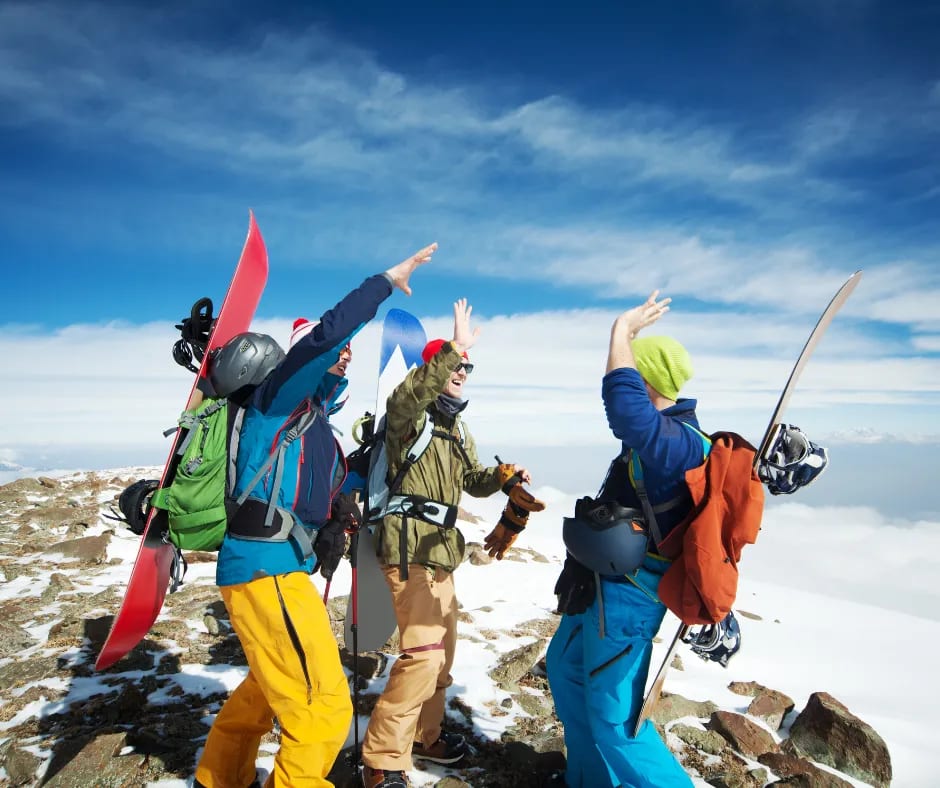
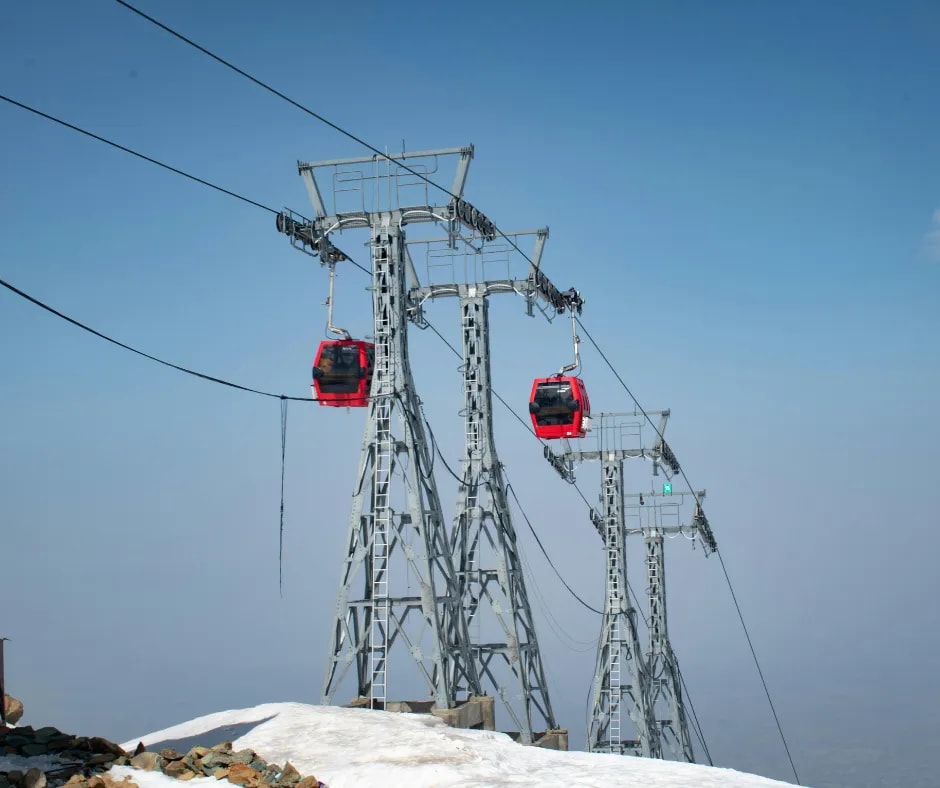
Kashmir's geography alone makes a compelling case. The valley sits at around 1,600 metres above sea level, surrounded by peaks that climb well above 5,000 metres. Within a few hours of Srinagar, you can be on a glacial trek, dropping into a river canyon for white-water rafting, or riding a gondola to some of the highest skiable terrain in Asia. That variety, packed into a relatively small area, is what sets Kashmir apart.
Beyond the terrain, Kashmir benefits from a four-season climate that opens up different activities at different times of year. Winters bring heavy snowfall and transform Gulmarg into a winter sports hub. Spring and early summer fill the valleys with wildflowers and make river levels perfect for rafting. Summer is ideal for high-altitude trekking when passes open up. Autumn offers crisp air, golden forests, and some of the best conditions for cycling and overland exploration. There is genuinely no bad season for adventure here, just different kinds of it.
The infrastructure for adventure tourism has also grown significantly in recent years. Trained local guides, licensed operators, better connectivity, and improved equipment rental services mean that both first-time adventurers and experienced outdoor enthusiasts can find what they need without having to carry everything from home. Local knowledge remains the biggest advantage when navigating Kashmir's mountains and rivers, and that expertise is increasingly accessible to visiting travelers.
The Major Adventure Activities in Kashmir, Season by Season
One of the most useful ways to plan an adventure trip to Kashmir is to match your interests with the right window of time. Here is a broad overview of what each season offers before we go deeper into individual activities.
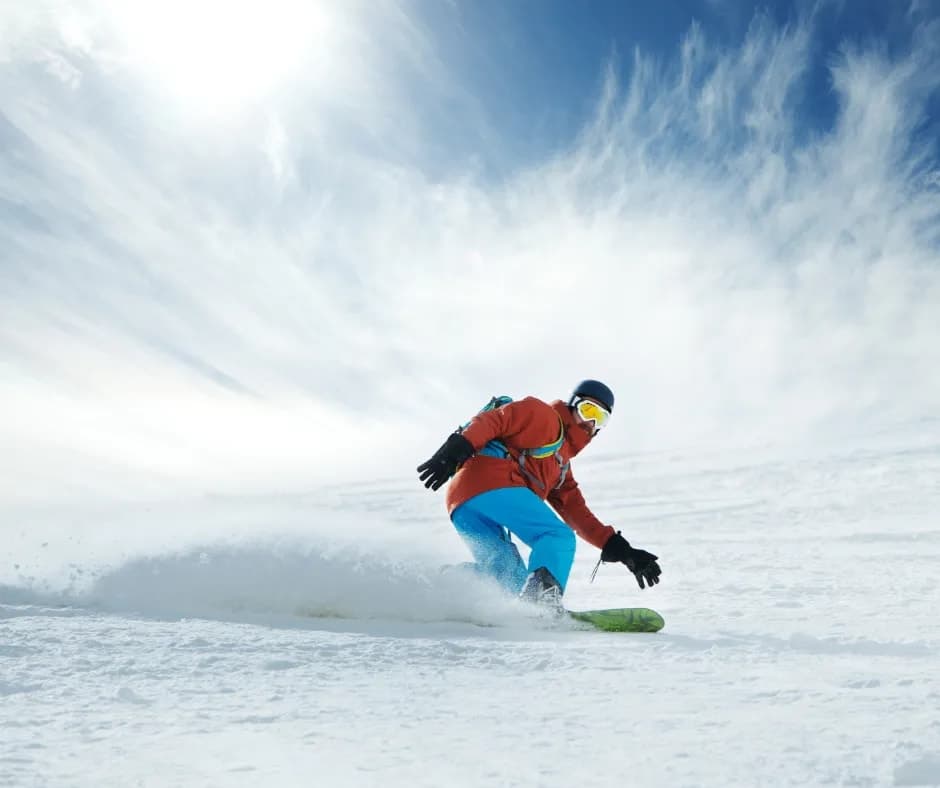
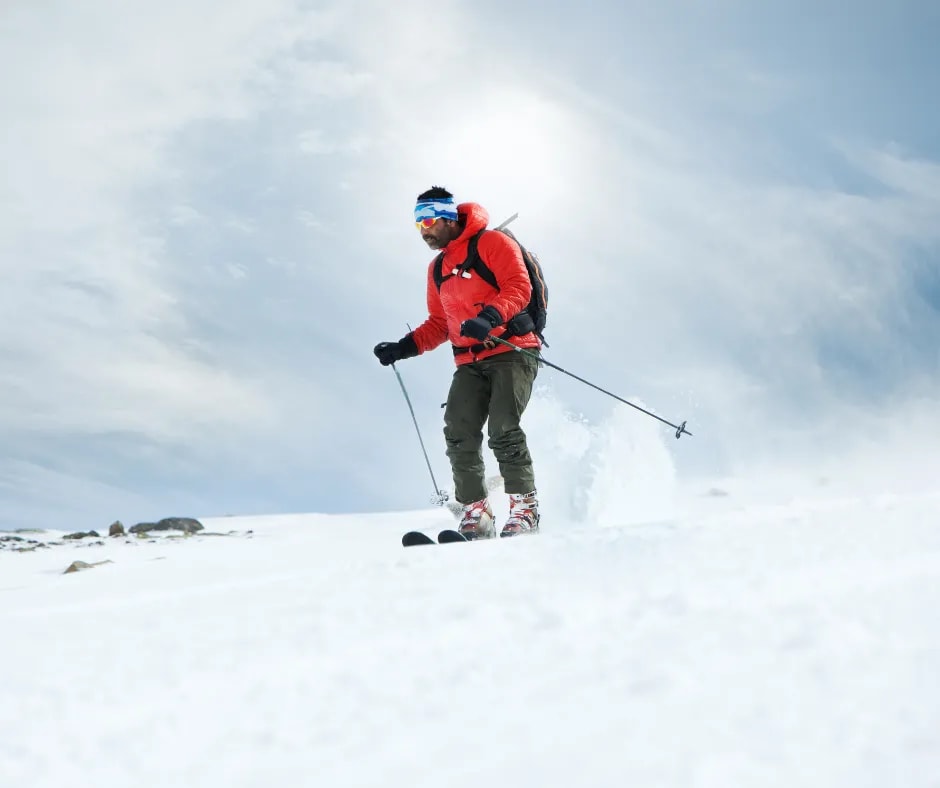
Winter (December to February): This is skiing and snowboarding season, centered on Gulmarg. Snowshoeing, snow trekking, and ice fishing are also possible. Roads to higher passes are closed, so activities concentrate in accessible valleys.
Spring (March to May): River levels rise with snowmelt, making this prime time for white-water rafting on the Lidder and Sindh rivers. Lower altitude treks begin to open up, and the weather is fresh without being too cold. Paragliding conditions start improving from April onward.
Summer (June to August): This is peak trekking season. High-altitude passes including Sonmarg's Nichnai and routes toward Naranag and the Gangabal lakes become accessible. Camping, mountain biking, and angling are all popular during these months. The valley is green, the days are long, and the mountain views are outstanding.
Autumn (September to November): Temperatures drop, the crowds thin out, and the forests turn vivid shades of orange and gold. This season is particularly good for cycling tours, shorter hikes, and photography-focused adventure trips. Some high passes begin closing by late October, so timing matters if you are planning treks above 3,500 metres.
Understanding this seasonal rhythm is the foundation of good adventure planning in Kashmir. In the sections that follow, we go into detail on each major activity so you can build an itinerary that works for your timeframe, fitness level, and sense of adventure.
Safety, Permits, and Regulations Every Adventure Traveler Must Know
Adventure tourism in Kashmir is thrilling, but it comes with real responsibilities. The region has specific permit requirements, restricted zones, and seasonal safety considerations that every traveler must understand before heading out. Skipping this step can result in fines, forced turnarounds, or worse, getting stranded in an area without proper rescue access. Local authorities and the Jammu and Kashmir Tourism Department have put regulations in place not to restrict adventure, but to protect both travelers and the fragile mountain environment.
For most high-altitude treks and expeditions, you will need an Inner Line Permit (ILP) if you are heading toward restricted border areas such as Gurez Valley, Lolab Valley, or parts of the Zanskar region. Foreign nationals require additional permits for certain zones and must register with local police checkpoints along the route. It is strongly recommended to hire a registered local guide or go through a licensed trekking agency, as they handle the paperwork, know the terrain, and are trained in basic mountain rescue. Solo unguided trekking in remote Himalayan zones is discouraged and, in some areas, outright prohibited.
Safety on the water, slopes, and trails also depends heavily on the season you choose to visit. Avalanche risk is high between January and March in upper elevations, while river levels are dangerously swollen during the monsoon months of July and August. Before booking any adventure activity, check current advisories from the District Disaster Management Authority and confirm that your operator carries valid insurance and certified equipment. Here is a quick comparison of key safety and permit factors by activity:
Activity | Permit Required | Best Safe Season | Key Risk Factor |
|---|---|---|---|
High-Altitude Trekking | Yes (ILP for restricted zones) | June to September | Altitude sickness, sudden snowfall |
White Water Rafting | No (guide mandatory) | April to June | Flash floods, high currents |
Skiing (Gulmarg) | No (gondola pass required) | December to February | Avalanche zones, off-piste hazards |
Paragliding | No (operator license needed) | April to October | Sudden wind changes |
Mountain Biking | No (restricted roads need permission) | May to October | Landslides, unpaved terrain |
How to Plan and Book an Adventure Trip to Kashmir Step by Step
Planning an adventure trip to Kashmir requires more preparation than a standard leisure holiday. The logistics involve coordinating transportation across mountain passes, booking accommodation in remote areas weeks in advance, and timing your arrival around weather windows that can shift quickly. Starting your planning at least 6 to 8 weeks before travel gives you enough buffer to sort permits, gear, guides, and contingency options. If you are targeting peak seasons like the summer trekking window or the Gulmarg ski season, bookings fill up fast, and prices rise sharply closer to the dates.
The most reliable approach is to work with a registered Kashmir-based adventure travel operator who can build a customized itinerary around your fitness level, interests, and budget. They will handle route planning, mule or porter arrangements for long treks, camping equipment, and local transport. If you prefer a self-planned trip, use these steps to structure your preparation:
Decide on your primary activity and target region, such as trekking in Sonmarg or skiing in Gulmarg.
Check seasonal suitability and current travel advisories for your chosen dates.
Apply for required permits at least 2 to 3 weeks in advance through the J&K Tourism Department or your operator.
Book accommodation early, especially for houseboat stays in Srinagar or guesthouses near trailheads.
Arrange airport transfers from Sheikh ul-Alam International Airport in Srinagar to your base location.
Pack altitude-appropriate gear including layered clothing, waterproof boots, a first aid kit, and high-SPF sunscreen.
Share your detailed itinerary with a trusted contact and register with local authorities if entering remote zones.
Budget planning is equally important. Adventure activities in Kashmir offer strong value compared to similar experiences in Europe or South America, but costs vary significantly based on group size, duration, and operator quality. Here is a general cost comparison to help you estimate your trip budget:
Activity | Budget Option (per person) | Mid-Range Option (per person) | Premium Option (per person) |
|---|---|---|---|
3-Day Trek (guided) | INR 4,000 to 6,000 | INR 8,000 to 12,000 | INR 15,000 and above |
Rafting (half day) | INR 800 to 1,200 | INR 1,500 to 2,500 | INR 3,000 and above |
Skiing (full day with gear) | INR 2,500 to 4,000 | INR 5,000 to 8,000 | INR 10,000 and above |
Paragliding (single flight) | INR 1,500 to 2,000 | INR 2,500 to 3,500 | INR 4,500 and above |
Safety Tips for Adventure Tourism in Kashmir
Adventure activities in Kashmir are thrilling, but they come with real risks if you are not prepared. Whether you are trekking through high-altitude passes or skiing down steep slopes, following basic safety guidelines will protect you and help you get the most from your experience.
Acclimatize properly: If you are traveling to altitudes above 3,000 meters, spend at least one to two days adjusting before attempting strenuous activities. Altitude sickness can affect even fit travelers without warning.
Hire certified guides: Always work with registered local guides for trekking, mountaineering, and white-water rafting. They know the terrain, weather patterns, and emergency routes far better than any map or app.
Check weather forecasts daily: Kashmir weather changes rapidly, especially in mountain zones. A clear morning can turn into a heavy snowstorm or thunderstorm by afternoon. Always check local forecasts before heading out.
Carry essential gear: Pack a first-aid kit, emergency whistle, thermal layers, waterproof jacket, high-energy snacks, and enough water. For overnight treks, a quality sleeping bag rated for sub-zero temperatures is important.
Travel with a group: Solo adventure travel in remote Kashmir areas is strongly discouraged. Traveling in groups reduces risk and ensures help is nearby if someone gets injured or disoriented.
Register your trek: Inform the local forest department or tourism authority about your trekking route and expected return date. This is especially important for less-traveled trails.
Carry valid permits: Some zones near the Line of Control require special permits. Confirm permit requirements with your tour operator before booking.
Get travel insurance: Make sure your policy covers adventure activities including helicopter evacuation, which may be necessary in remote mountain emergencies.
Respecting nature and local regulations also ensures that Kashmir's wild spaces remain protected for future visitors. Leave no trace, avoid disturbing wildlife, and dispose of waste responsibly on all outdoor excursions.
Best Time to Visit Kashmir for Adventure Activities
Choosing the right season makes a significant difference to the quality and safety of your adventure experience. Kashmir offers different activities across different months, so planning around the season is essential.
Season | Months | Best Adventure Activities | Conditions |
|---|---|---|---|
Spring | March to May | Trekking, paragliding, river rafting | Pleasant temperatures, blooming trails, moderate river flow |
Summer | June to August | High-altitude trekking, mountaineering, camping, zip-lining | Best overall conditions, clear skies, fully accessible passes |
Autumn | September to November | Trekking, wildlife spotting, mountain biking | Crisp air, stunning foliage, fewer crowds on trails |
Winter | December to February | Skiing, snowboarding, snowshoeing, ice fishing | Heavy snowfall, limited road access, best for snow sports |
Peak trekking season runs from June through September, when most high-altitude routes are snow-free and accessible.
Skiing enthusiasts should plan for January and February, when Gulmarg receives its deepest snowfall, and the gondola operates at full capacity.
River rafting on the Lidder and Sindh rivers is most exciting during spring when snowmelt increases the water flow and creates stronger rapids.
Paragliding is best enjoyed between April and October when thermal winds over the Pir Panjal range are stable enough for extended flights.
Avoid planning adventure activities during the monsoon months of July and August at lower elevations, as rainfall can cause trail closures and make roads slippery and unstable.
How to Plan Your Adventure Trip to Kashmir
Planning an adventure trip to Kashmir requires a bit more preparation than a standard sightseeing holiday. Getting the logistics right from the start will help you focus entirely on the experience once you arrive.
Define your adventure goals: Decide which activities matter most to you before booking anything. Trekking, skiing, rafting, and paragliding each require different seasons, base locations, and levels of fitness.
Book through reputable operators: Choose operators who are registered with the Jammu and Kashmir Tourism Department. Verified operators provide trained guides, proper equipment, and emergency support.
Plan your base location carefully: Srinagar works well as a central hub. Gulmarg is the best base for skiing and snowboarding. Pahalgam is ideal for trekking into the Lidder Valley and Betaab Valley. Sonmarg suits mountaineering and glacier-based adventures.
Arrange permits in advance: Certain treks and zones require permits that can take time to process. Apply well before your travel date, especially for routes near Gurez, Lolab Valley, or restricted border areas.
Pack according to activity and season: A detailed packing list from your operator or a resource like Kashmir Holidays can save you from carrying unnecessary weight or missing critical gear.
Budget for the unexpected: Weather delays, permit adjustments, and route changes are common in mountain environments. Build buffer days and extra funds into your plan.
Stay connected: Mobile connectivity is available in major towns but can be patchy on remote trails. A satellite communicator or renting a local radio device is worth considering for long treks.
Conclusion
Adventure tourism in Kashmir offers an extraordinary range of experiences that go far beyond what most travelers expect from this destination. From skiing world-class slopes in Gulmarg to trekking across ancient shepherd trails in the Sonmarg highlands, from rafting the Lidder River to paragliding above Pahalgam's pine forests, every corner of the Kashmir valley rewards those who are willing to explore it actively. The combination of dramatic mountain scenery, rich local culture, and a growing infrastructure of trained guides and certified operators makes Kashmir one of India's most exciting adventure destinations right now.
Whether you are an experienced mountaineer looking for your next serious challenge or a first-time trekker wanting to ease into Himalayan adventure, Kashmir has a route, a season, and an experience suited to your level. Start by choosing the right season for the activities you want most, plan your permits and logistics early, and trust local expertise to guide you safely. If you need help building your itinerary or finding the right operator, Kashmir Holidays is here to help you plan a trip that is both safe and genuinely unforgettable.
Frequently Asked Questions
Is adventure tourism in Kashmir safe for first-time visitors?
Yes, Kashmir is safe for first-time adventure travelers when you book through certified operators, follow guide instructions, and choose activities suited to your fitness level. Stick to established routes, check weather forecasts daily, and carry travel insurance that covers adventure activities and emergency evacuation to ensure a secure experience.
Which is the best place in Kashmir for trekking beginners?So nmarg'sSonmarg's
Pahalgam is the most recommended base for beginner trekkers. Routes like the Betaab Valley walk and the lower Lidder trail are manageable, scenic, and well-supported with local guides. Sonamarg's Thajiwas Glacier trail is another accessible option that introduces you to glacier terrain without requiring technical climbing experience.
What is the best time of year for skiing in Gulmarg?
January and February are the best months for skiing in Gulmarg. Snowfall is heaviest during this period, the gondola operates fully, and snow quality is at its finest. March can also offer good conditions with slightly warmer temperatures, making it a comfortable choice for beginners visiting Gulmarg for the first time.
Do I need a special permit for adventure activities in Kashmir?
Some trekking routes near restricted zones such as Gurez Valley require inner line permits obtained in advance. Most standard adventure activities like skiing, paragliding, and rafting do not need special permits beyond standard entry documentation. Always confirm permit requirements with your operator before finalizing your Kashmir adventure itinerary.
How physically fit do I need to be for high-altitude trekking in Kashmir?
A moderate level of fitness is sufficient for most popular Kashmir treks. Trails like Kashmir Great Lakes and Tarsar Marsar involve multi-day walking at altitudes above 4,000 meters, so cardiovascular fitness matters. Start training with regular walks and hikes at least six to eight weeks before your trip for best results.