
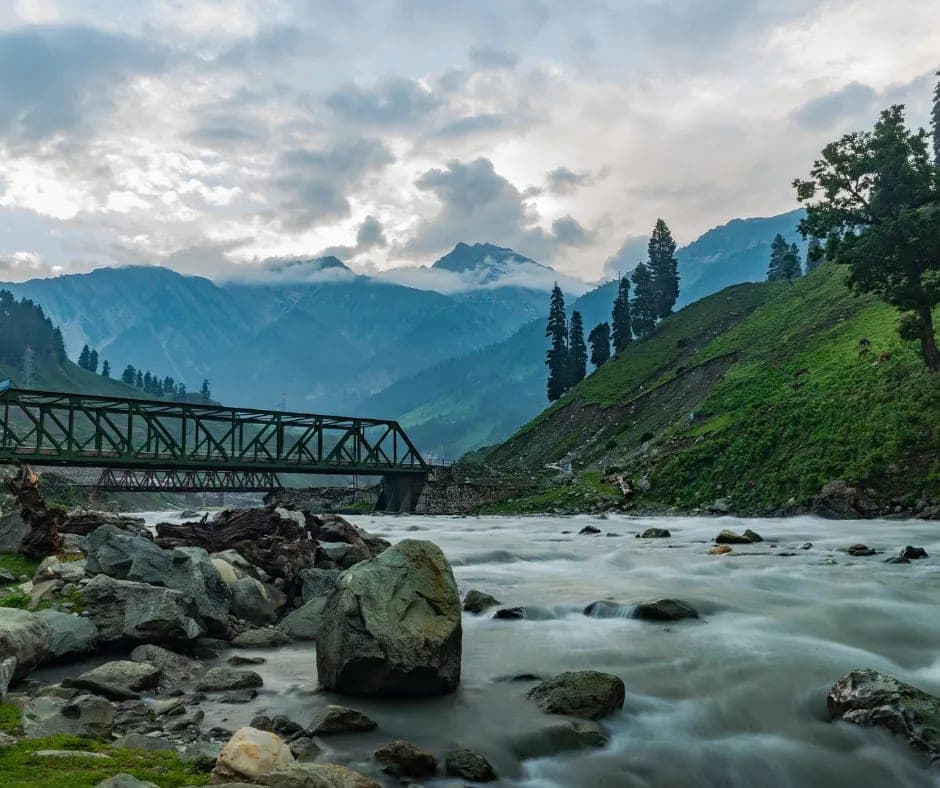
Table of Contents
October vs Other Months: Is It Really the Best Time to Visit Kashmir?
Where to Stay in Kashmir in October: Houseboats, Hotels and Budget Options
October is widely considered one of the best months to visit Kashmir, and once you see the Valley draped in shades of amber, gold, and crimson, it is easy to understand why. The summer crowds have thinned out, the air carries a refreshing chill, and the famous chinar trees put on a colour display that genuinely has to be seen to be believed. Whether you are planning your first trip or returning for another season, Kashmir in October offers a travel experience that is both visually stunning and deeply calming.
What October Weather Actually Feels Like in Kashmir
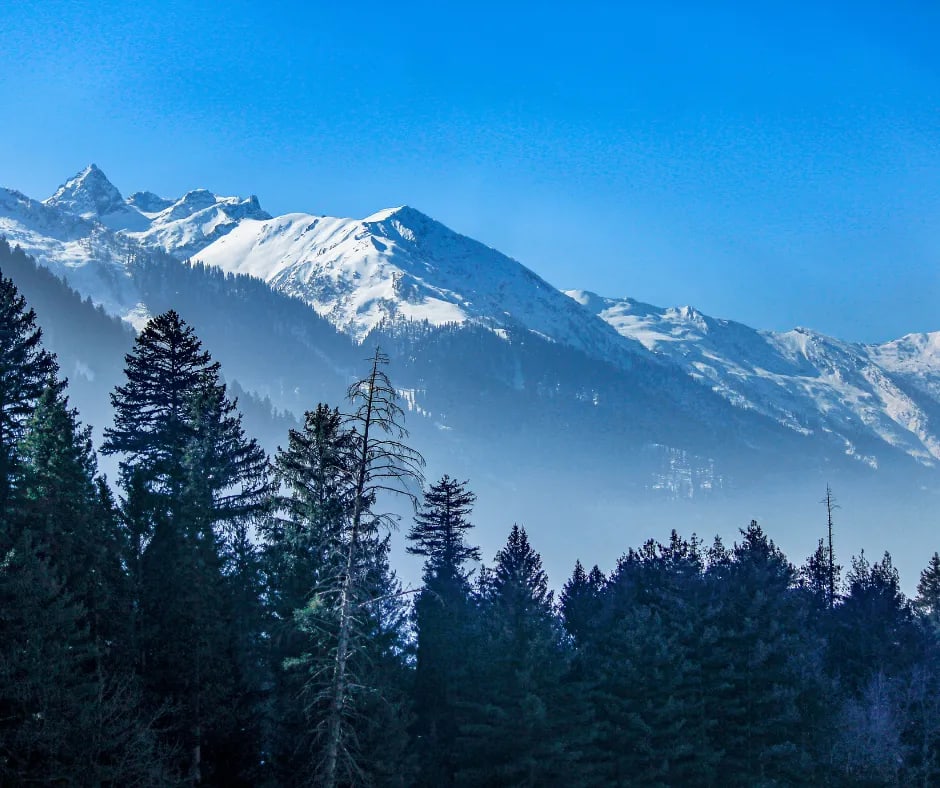
October marks the transition from the warm, busy summer season into the early stages of winter, and the weather during this month sits in a comfortable sweet spot. Daytime temperatures in Srinagar typically range from around 10°C to 20°C, making sightseeing pleasant without the heat that can make July and August feel heavy. Mornings and evenings, however, get noticeably cold, especially as the month progresses toward its second half. You will want a good jacket or fleece with you at all times.
At higher altitudes like Gulmarg, Sonamarg, and Pahalgam, temperatures drop significantly lower. Gulmarg in particular can dip close to freezing even during daytime in late October, and early snowfall is not uncommon there toward the end of the month. If you are heading to any of these destinations, packing thermal layers, waterproof outerwear, and sturdy footwear is not optional but essential.
Rainfall during October is generally low compared to the monsoon months, though brief spells of rain or light showers can occur, particularly in the first week. The skies are mostly clear, which makes for excellent photography conditions and clean mountain views. Humidity is low, the air feels fresh, and the overall atmosphere in the Valley has a kind of quiet clarity that summer simply cannot match. For travelers who dislike heat and crowds, this weather is close to ideal.
One thing to keep in mind is that the second half of October sees temperatures falling more sharply, and some mountain roads may begin to close or become difficult to navigate near the month's end. Checking road conditions before heading to places like Sonamarg or the higher reaches of Pahalgam is always a good idea when traveling in late October.
To understand Kashmir in October – Weather, Places & Best Tips, it helps to compare what you see in the data and what action you need to take next.
Top Places to Visit in Kashmir in October
The Valley opens up beautifully during October, and the combination of autumn foliage, clear skies, and manageable crowds makes almost every destination feel more rewarding than it does in peak summer. Here are the places that truly shine this time of year.
Srinagar
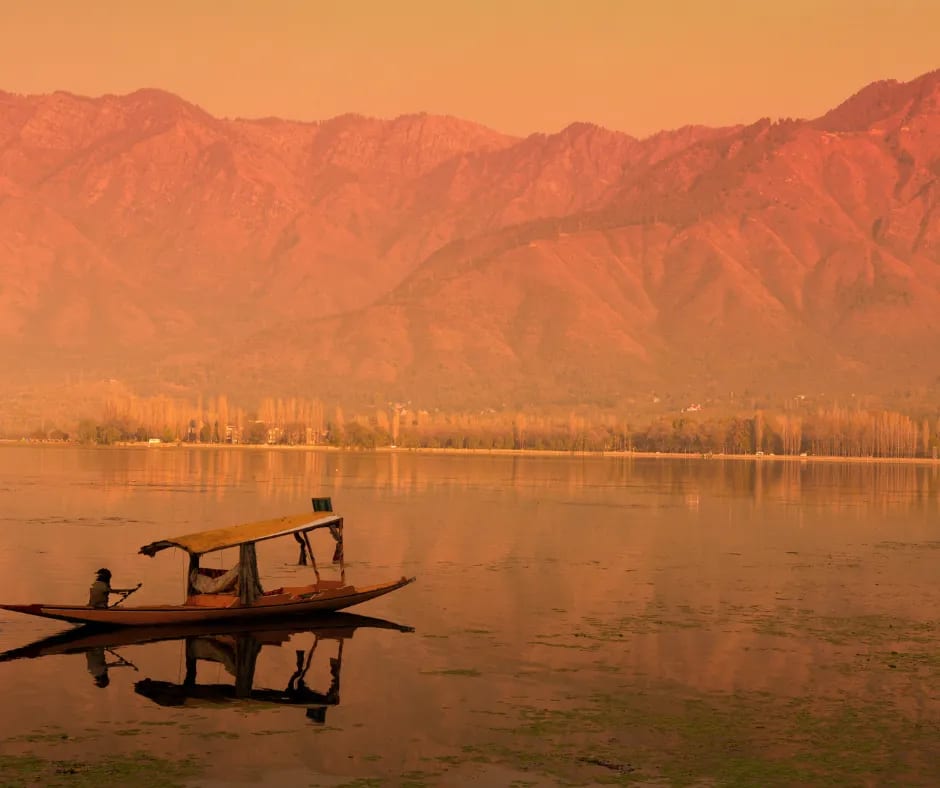
The city itself becomes a visual treat in October. The chinar trees lining the boulevards around Dal Lake, Nishat Bagh, Shalimar Bagh, and Chashme Shahi turn a deep, fiery orange and red that draws photographers and nature lovers from across the country. A shikara ride on Dal Lake during an October morning, with mist hovering over the water and the Zabarwan hills glowing in autumn colours behind you, is an experience that stays with you long after you leave. The Mughal Gardens are at their most atmospheric this time of year and are worth spending a proper afternoon in rather than rushing through.
Pahalgam
Pahalgam is extraordinarily beautiful in October. The Lidder River runs cold and clear, the pine forests take on golden hues, and the meadows around Betaab Valley and Aru Valley are quiet and serene. Trekking conditions remain good through most of the month, and short walks along the river or up toward Baisaran are very doable even for travelers who are not experienced hikers. The town itself slows down from its summer pace, giving the whole place a more relaxed and authentic feel.
Gulmarg
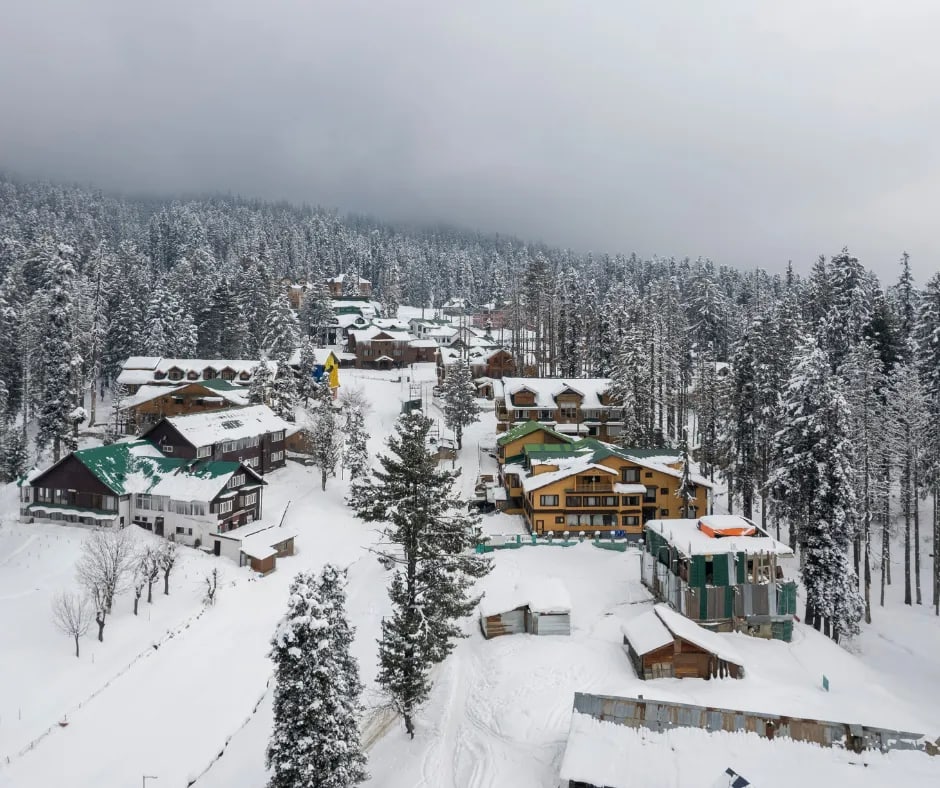
For those interested in seeing snow without committing to a full winter trip, Gulmarg in late October often delivers just that. The higher slopes receive the first snowfall of the season, and the gondola ride up to Kongdori offers views that are genuinely jaw-dropping as the surrounding forests shift from green to gold to white. The golf course, one of the highest in the world, sits quietly empty by October, and the whole meadow has an almost otherworldly stillness to it. Dress very warmly if you plan to go up on the gondola, as the wind at altitude can make it feel significantly colder than the temperature suggests.
Sonamarg
Sonamarg is accessible for most of October but becomes harder to reach toward the end of the month as the road toward Zoji La can see early snowfall. If you visit in the first half of October, you will find the meadows transitioning beautifully, the Thajiwas Glacier still accessible by pony or on foot, and the surrounding peaks dusted with fresh snow above the tree line. It is a destination worth prioritizing earlier in the month rather than leaving it as a last-day addition.
October vs Other Months: Is It Really the Best Time to Visit Kashmir?
Kashmir draws visitors in every season, and each month has its own appeal. But October sits in a particularly sweet spot that very few other months can match. Spring (April to May) brings blooming gardens and mustard fields, and summer (June to August) keeps the valley green and lively, but both seasons come with heavier tourist crowds and higher hotel rates. Monsoon months, especially July and August, can bring road blockages and disrupted travel plans. October, by contrast, offers stable weather, manageable crowds, and some of the most vivid natural scenery of the entire year, all without the chaos of peak summer.
Comparing October to September and November helps put things in perspective. September is still recovering from the tail end of the monsoon, and while the weather is pleasant, the autumn color transformation has not yet fully arrived. November is a different story, with temperatures dropping sharply and some high-altitude roads closing by mid-month. October threads the needle perfectly. You get the full burst of chinar color, comfortable daytime temperatures, and access to most trekking routes and tourist spots before winter begins to close things down.
Month | Average Daytime Temp (°C) | Crowd Level | Autumn Color | Road Access |
|---|---|---|---|---|
August | 25-28 | Moderate | None | Occasional disruptions |
September | 20-25 | Low-Moderate | Early hints | Good |
October | 10-18 | Low-Moderate | Peak | Excellent |
November | 4-12 | Very Low | Fading | Closing at altitude |
December | 0-5 | Very Low | Gone | Limited |
For travelers who want the full Kashmir experience without fighting crowds at Dal Lake or waiting in long queues at Gulmarg, October is genuinely hard to beat. Prices for hotels and houseboats are also slightly more negotiable than in peak summer, giving travelers better value without sacrificing comfort or access.
What to Pack for Kashmir in October: A Practical Checklist
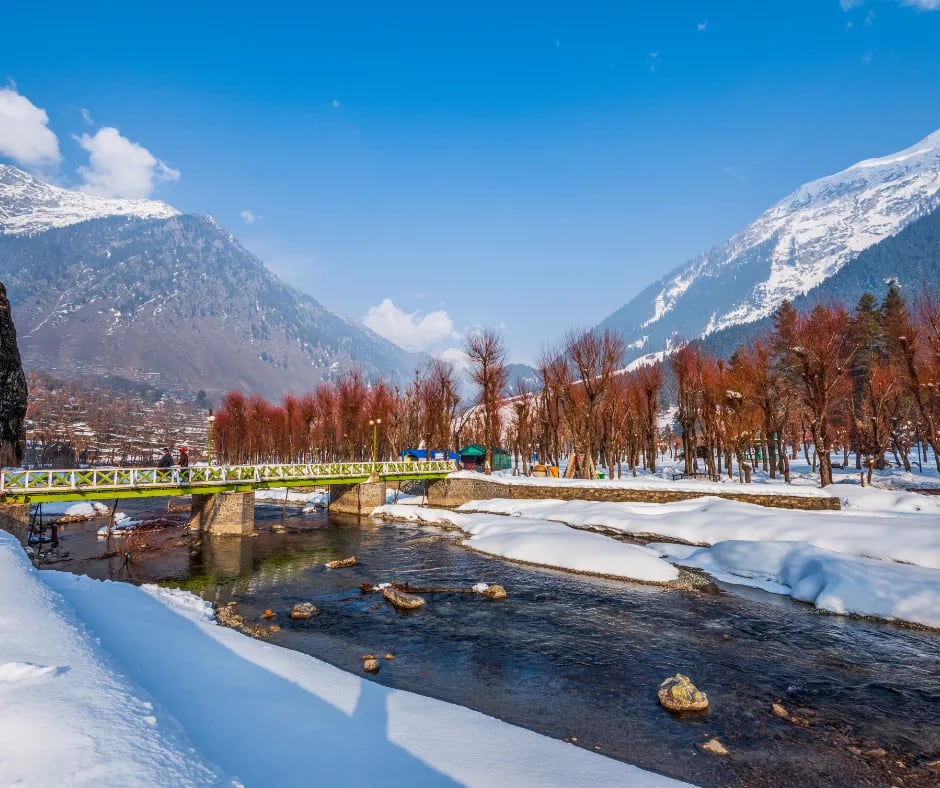
Packing for October in Kashmir requires thinking about two different versions of the day. Mornings and evenings can drop to single digits near the valley floor, and even colder at higher elevations like Sonamarg or Gulmarg. By midday, temperatures rise to a comfortable 15 to 18 degrees Celsius, so wearing layers is not just a suggestion; it is a necessity. Travelers who arrive expecting summer conditions often end up buying warm clothing at local markets, which works out fine but adds unnecessary expense to the trip.
The key is building a wardrobe around flexible layering. A light base layer, a mid-layer fleece or wool sweater, and a windproof outer jacket will cover most situations. If you plan to trek or spend significant time at altitude, add thermal underlayers and a proper insulated jacket. Footwear matters more than most people realize. Comfortable walking shoes with grip are fine for town visits, but if you are heading to Betaab Valley, Yousmarg, or any forest trail, waterproof hiking boots will serve you much better, especially on leaf-covered paths that can be slippery.
Clothing: Thermal base layers, fleece or wool mid-layer, windproof outer jacket, comfortable daytime tops
Footwear: Waterproof hiking shoes or boots, warm socks, a comfortable pair for indoor or casual use
Accessories: Gloves, a woolen hat or beanie, scarf or neck warmer, UV-protection sunglasses
Skincare: Lip balm, moisturizer, sunscreen (the October sun at altitude is still strong)
Gear: Small backpack for day trips, reusable water bottle, camera with extra battery (cold drains batteries fast)
Documents and health: Valid ID, travel insurance details, any prescription medications, basic first aid kit
Where to Stay in Kashmir in October: Houseboats, Hotels and Budget Options
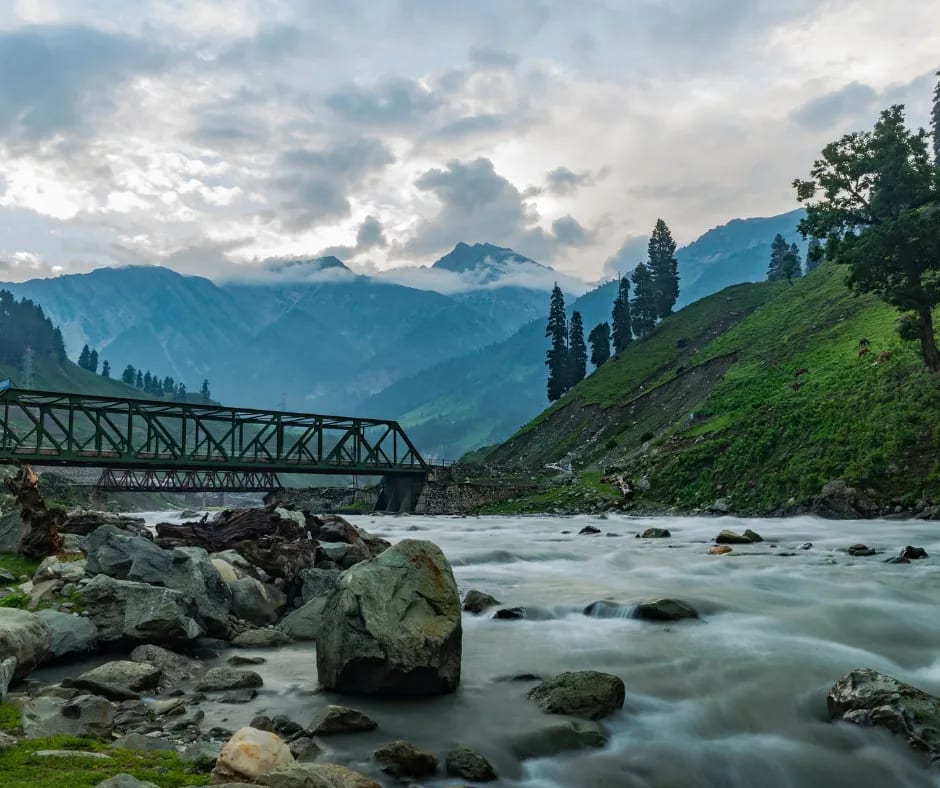
October is one of the better months to book accommodation in Kashmir without stressing about last-minute availability, though it is still worth reserving in advance, especially for Dal Lake houseboats. Staying on a houseboat during October is a genuinely special experience. The lake sits calm and glassy in the mornings, often with a thin mist hanging over the water, and the chinar trees on the surrounding banks are lit up in orange and red. Most houseboats offer full board options, and a good number have heating available for the cooler nights, which is worth confirming at the time of booking.
For travelers who prefer hotels, Srinagar has a strong range across all budgets. The areas around Dal Lake, Residency Road, and Boulevard Road offer easy access to the main sights. Mid-range hotels in these areas typically offer clean rooms, reliable hot water, and breakfast, all at reasonable October rates. Gulmarg has its own set of resorts and guesthouses that stay open through October, and staying overnight there rather than making a day trip from Srinagar gives you the chance to experience the meadows at dawn before the day visitors arrive.
Accommodation Type | Best For | Approximate October Price Per Night | Key Consideration |
|---|---|---|---|
Dal Lake Houseboat | Couples, experience seekers | ₹2,500 - ₹8,000 | Confirm heating availability |
Budget Hotel (Srinagar) | Solo travelers, backpackers | ₹800 - ₹2,000 | Check hot water and room insulation |
Mid-Range Hotel (Srinagar) | Families, couples | ₹2,500 - ₹6,000 | Boulevard Road locations are ideal |
Resort (Gulmarg) | Trekkers, nature lovers | ₹4,000 - ₹12,000 | Book early, limited options |
Guesthouse (Pahalgam) | Budget trekkers, families | ₹1,200 - ₹3,500 | Fewer options as the month progresses |
Pahalgam guesthouses are worth considering for travelers who want a quieter, more local experience. The town slows down noticeably in October as the season winds down, meaning better rates and a much more relaxed atmosphere. Wherever you choose to stay, requesting a room with a heater or a wood-burning kangri setup will make evenings significantly more comfortable as temperatures dip after dark.
Local Tips for Making the Most of October in Kashmir
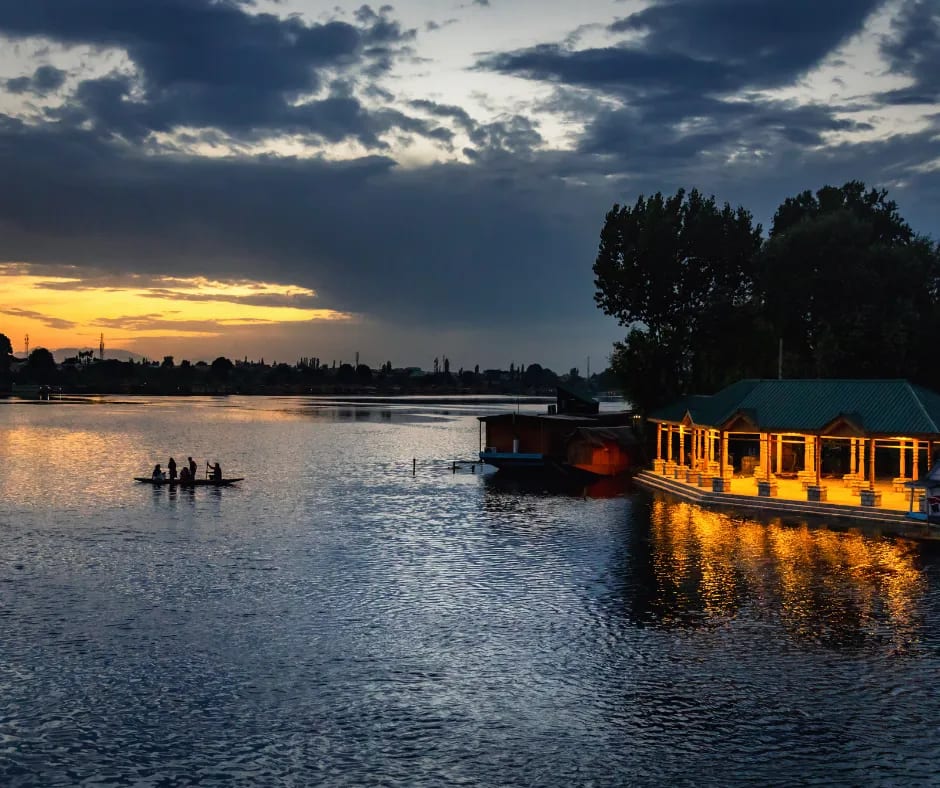
Knowing the weather and the places is one thing, but traveling smart in October takes a little insider knowledge. These practical tips, gathered from experienced Kashmir travelers and local guides, can make a real difference to your trip.
Book Early and Plan Around Crowds
October is peak season, especially during the first two weeks. Houseboats on Dal Lake and the better-known hotels in Srinagar fill up fast. Try to confirm your accommodation at least four to six weeks in advance. If you want more peace, consider basing yourself in Pahalgam or Gulmarg rather than Srinagar, where the tourist density is slightly lower in the second half of the month.
Avoid visiting Srinagar's Mughal Gardens on weekends, when domestic tourists arrive in large numbers.
Plan your Gulmarg gondola ride for early morning, ideally before 9 AM, to skip queues and catch the clearest mountain views.
If you want the famous chinar tree photographs at Nishat or Shalimar Bagh, late afternoon light between 3 PM and 5 PM is the most beautiful time to visit.
Hire a local guide for trekking routes even for short hikes. Trails can get muddy and slippery after rain, and a guide who knows the area adds enormous value.
Eating, Shopping, and Local Experiences Worth Prioritising
October is a wonderful time to eat like a Kashmiri. The autumn harvest brings walnuts, saffron, and dried fruits to the local markets. Head to Lal Chowk or the old bazaars in Srinagar for freshly picked walnuts sold in bags, local apple varieties, and freshly dried apricots. A cup of kahwa, the traditional Kashmiri tea with saffron and almonds, is especially warming in the October chill.
Try a traditional Wazwan meal at a local restaurant. It is best experienced as a multi-course feast and is often served at lunch.
Take a shikara ride at sunrise on Dal Lake for the famous floating vegetable market, which wraps up before 8 AM.
Shop for Pashmina shawls, papier-mache crafts, and hand-knotted carpets directly from artisan workshops rather than tourist stalls for better quality and fair prices.
If you travel in the second or third week of October, ask locals about any regional festivals or cultural events happening nearby.
October Travel Costs: What to Budget For
October sits in the higher price band for Kashmir travel, but smart planning helps you manage costs without sacrificing quality. Here is a general comparison of daily budgets to help you plan.
Budget Type | Accommodation | Meals Per Day | Transport | Approx. Daily Total |
|---|---|---|---|---|
Budget | Guesthouse or dorm | Local dhabas | Shared autos, buses | INR 1,500 to 2,500 |
Mid-range | 3-star hotel or houseboat | Mix of local and restaurant dining | Private taxi sharing | INR 3,500 to 6,000 |
Premium | Heritage hotel or luxury houseboat | Fine dining and curated experiences | Dedicated hired vehicle | INR 8,000 and above |
Flight prices to Srinagar also peak in early October. If your travel dates are flexible, flying between October 15 and 25 often brings slightly lower airfares while the foliage is still stunning and most attractions remain fully open.
Conclusion
October genuinely earns its reputation as one of the finest months to visit Kashmir. The combination of clear skies, cool and comfortable temperatures, golden chinar trees, and the rich harvest atmosphere creates a travel experience that is hard to find anywhere else in India. Whether you are floating on Dal Lake at sunrise, trekking the meadows of Pahalgam, or watching snow dust the peaks above Gulmarg, October rewards every type of traveler, from honeymooners and photographers to families and first-time visitors to the region.
The key is to plan, pack thoughtfully, and leave room in your itinerary for the unexpected, whether that is a spontaneous shikara ride, a conversation with a walnut seller in the bazaar, or a quiet evening watching the Himalayas turn pink at dusk. If you are ready to start planning your October trip, the Kashmir Holidays travel guide is here to help you build an itinerary that matches your budget, your interests, and your pace of travel. There has never been a better reason to finally make Kashmir happen.
Frequently Asked Questions
Is October a good time to visit Kashmir?
Yes, October is widely considered one of the best months to visit Kashmir. The weather is pleasant and dry, the famous chinar trees turn brilliant shades of red and gold, and most tourist attractions and trekking routes are fully accessible before winter closes in.
How cold does Kashmir get in October?
Daytime temperatures in Srinagar typically range from 12 to 20 degrees Celsius in October. Nights can drop to around 4 to 7 degrees, especially in the second half of the month. Higher altitude areas like Gulmarg and Sonamarg are significantly colder and may see early snowfall.
Can I do trekking in Kashmir in October?
October is excellent for trekking in Kashmir, particularly in the first two to three weeks. Trails like Kolahoi Glacier, Tarsar Marsar, and routes around Pahalgam are accessible and beautiful in autumn colours. By late October, higher passes may begin to close due to snowfall, so timing matters.
Are houseboats on Dal Lake open in October?
Yes, houseboats on Dal Lake operate throughout October and are actually at their most charming during this season. The cool air, calm water, and autumn colours make a houseboat stay genuinely special. Book well in advance as demand is high during October's peak travel season.