
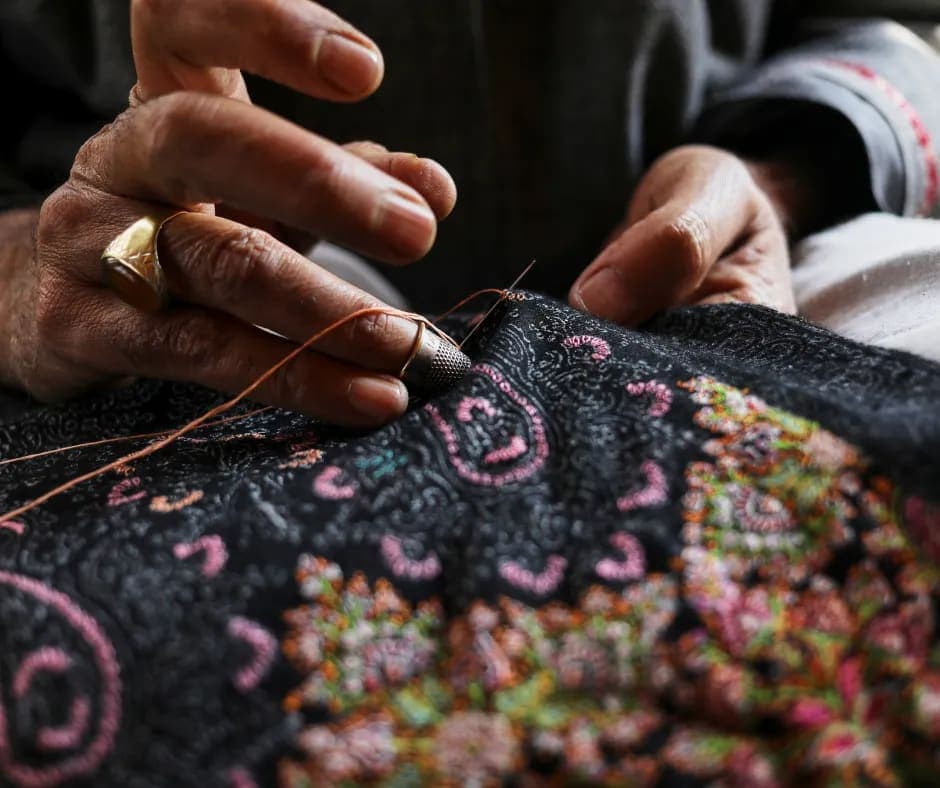
Kashmir is not just a place you visit; it is a place you carry home with you. Whether you are browsing the bustling lanes of Lal Chowk in Srinagar or stepping into a quiet artisan workshop in the old city, the famous things to buy in Kashmir tell stories of generations of craftsmanship, local pride, and a culture that has been weaving beauty into everyday objects for over five hundred years. This guide gives you the honest, practical knowledge you need to shop smart, avoid fakes, and bring home something truly worth treasuring.
The Iconic Kashmir Pashmina: What You Must Know Before You Buy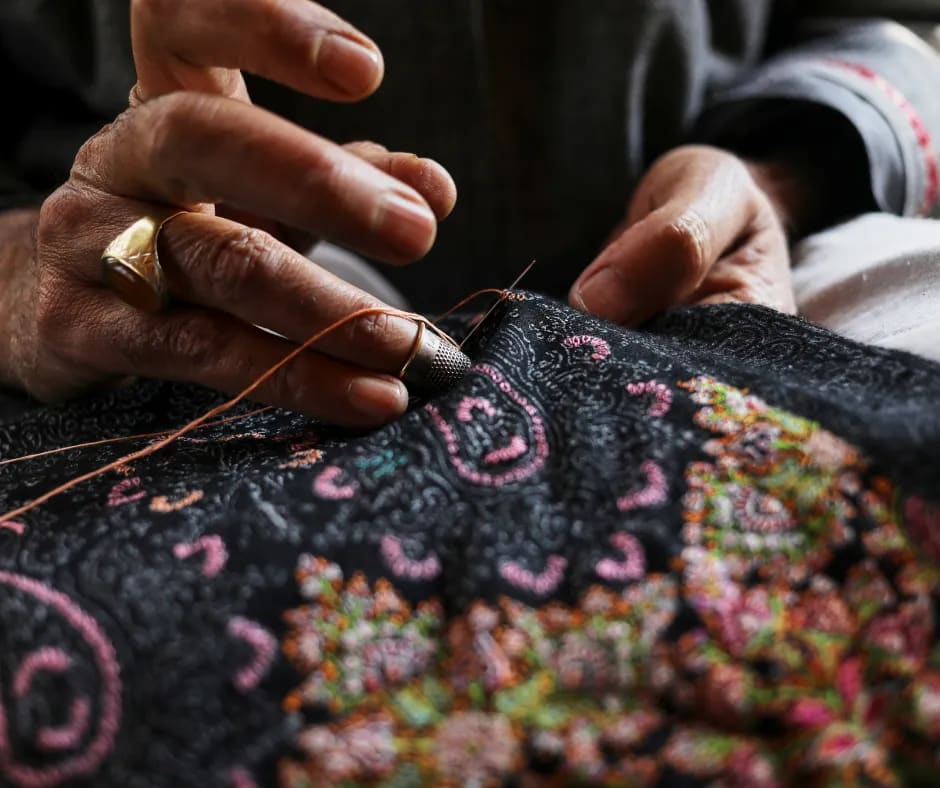
If there is one thing Kashmir is universally known for, it is Pashmina. This fine wool, sourced from the Changthangi goat's undercoat on the high-altitude plateaus of Ladakh, has been spun and woven in Kashmir for centuries. Genuine Pashmina is softer than cashmere, incredibly lightweight, and warm enough to make a noticeable difference on a cold Srinagar evening. It is also, unfortunately, one of the most faked products in the entire region.
Here is what separates real Pashmina from the acrylic or blended shawls sold at tourist prices across the valley. Authentic Pashmina is hand-spun and hand-woven on a traditional wooden loom. The fiber diameter is typically between 12 and 16 microns, which means it is finer than most commercial wool you have ever touched. When you rub a real Pashmina shawl gently between your palms, it generates warmth from the friction almost instantly. Synthetic versions feel slippery, not soft, and do not react the same way.
Pricing is another strong indicator. A plain, undyed, hand-woven Pashmina shawl of decent quality starts around Rs. 3,000 to Rs. 5,000 at a reputable shop. Embroidered pieces, especially those featuring Sozni or Kani work, can go well above Rs. 20,000 and into the lakhs for a full Kani weave. If someone is offering you a Pashmina shawl for Rs. 500 in a market stall, it is not Pashmina. Walk away.
When shopping, look for the Pashmina Mark or GI tag, which is a Geographical Indication certification issued to verified Kashmiri Pashmina products. Shops affiliated with the Craft Development Institute in Srinagar or government-run emporiums are reliable starting points if you are uncertain. Take your time, ask questions, and do not let anyone rush you into a purchase. The right Pashmina will last decades and feels completely unlike anything else you will find anywhere in the world.
Kashmiri Saffron: The World's Most Valuable Spice and How to Buy It Right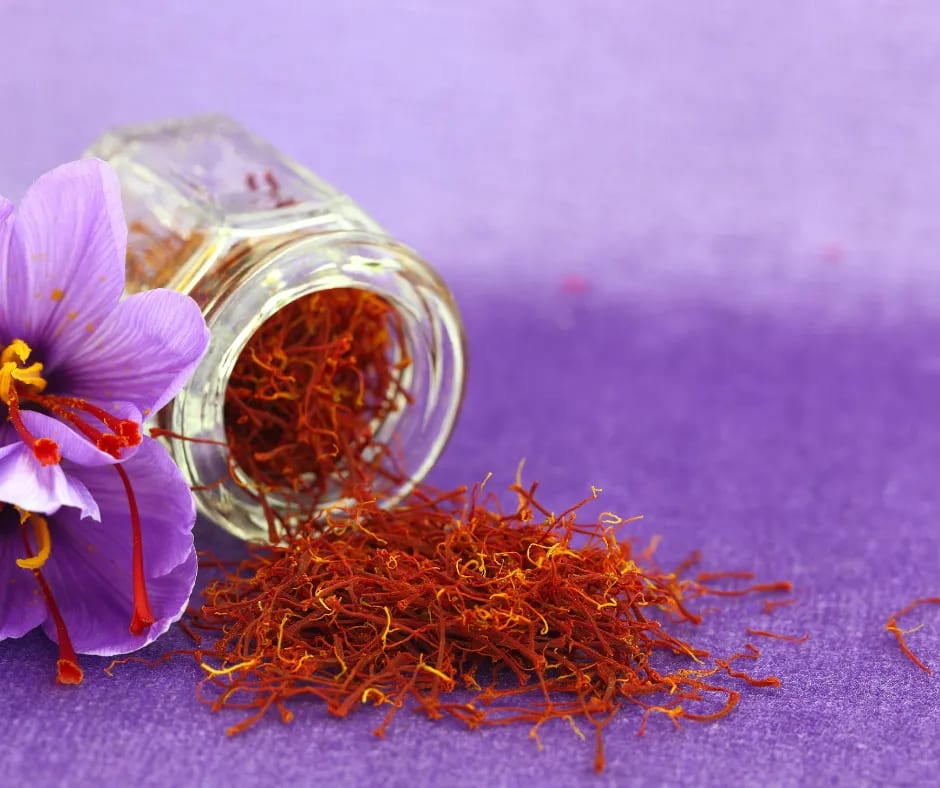
Kashmir produces some of the finest saffron on earth, and the Pampore region, located just a short drive from Srinagar, is known globally as the saffron bowl of India. The deep crimson threads harvested from the Crocus sativus flower each autumn carry a richness of aroma, color, and flavor that saffron from other origins simply cannot match. Kashmiri saffron, also called Mongra or Lacha saffron, has a higher concentration of crocin, safranal, and picrocrocin compared to Iranian or Spanish varieties. These are the compounds responsible for its color, fragrance, and taste.
Buying saffron correctly in Kashmir requires a little knowledge because adulteration is common, especially in tourist markets. Real Kashmiri saffron threads are deep red with slightly lighter orange tips. They are dry to the touch, not moist. When you drop a few threads into warm water or warm milk, the color releases slowly over several minutes, turning the liquid a rich golden-yellow. Fake saffron, often made from colored corn silk or safflower, bleeds color almost immediately and leaves no fragrance behind.
Expect to pay between Rs. 350 and Rs. 600 per gram for good quality Kashmiri saffron from a verified seller. Prices that seem dramatically lower should raise concern. The best places to buy saffron with confidence include government-certified shops, the J&K Handicrafts Corporation outlets, or directly from growers in Pampore if you have the time to make the short trip. Buying in small tins or sealed packets with batch numbers and producer information adds another layer of authenticity. Saffron makes one of the finest and most practical gifts you can bring back from Kashmir, compact, genuinely valuable, and immediately useful in any kitchen.
Walnut Wood Craft, Paper Mache, and Other Kashmir Handicrafts Worth Buying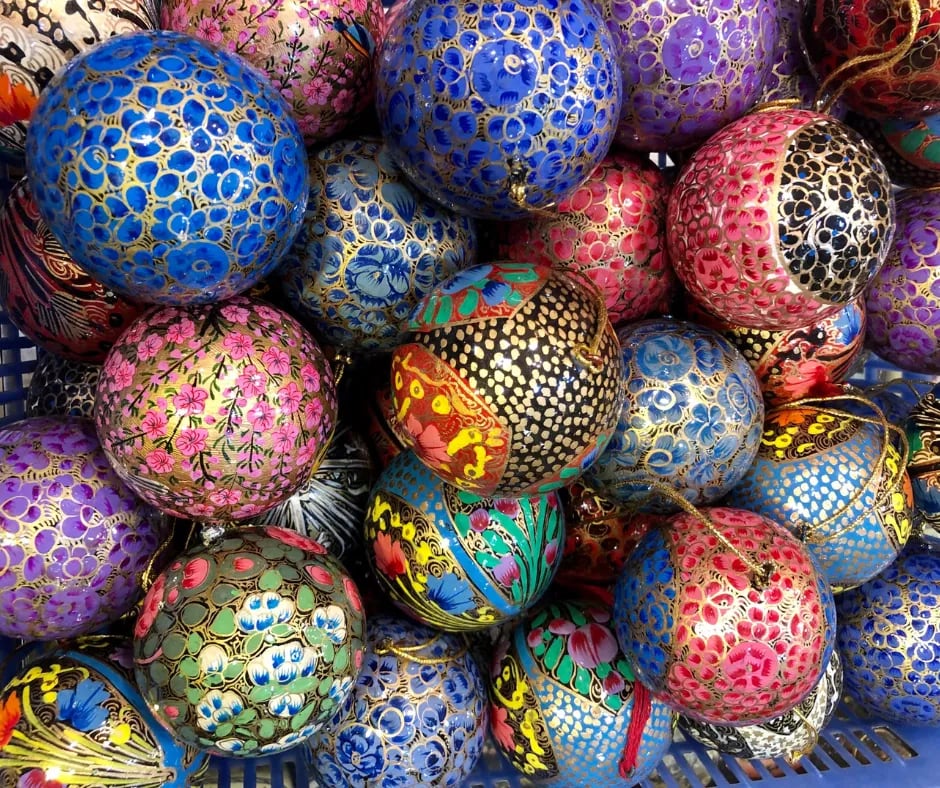
Kashmir's walnut wood craft is among the most prized woodwork traditions in the entire Indian subcontinent. Artisans in Srinagar and surrounding villages carve intricate floral and geometric patterns into solid Kashmiri walnut wood, producing furniture, decorative panels, jewelry boxes, photo frames, and serving trays that can last generations. The wood itself has a distinctive dark brown tone with a tight grain, giving finished pieces a richness that machine-made alternatives simply cannot replicate. When buying walnut wood items, look for clean, deep carving with smooth edges; rushed or shallow cuts are a telltale sign of lower quality work.
Paper mache is another craft that defines Kashmiri artisan culture. Originally brought to the valley through Persian influences, the technique involves layering pulped paper over molds, letting it dry, and then painting it with fine brushes using mineral-based and natural pigments. The results are bowls, vases, decorative boxes, Christmas ornaments, and wall hangings covered in fine floral motifs, birds, and hunting scenes. Genuine hand-painted papier-mache takes days to complete and feels slightly textured to the touch. Mass-produced versions, which are widely available at tourist hotspots, tend to have flat, printed designs with less detail. Taking a moment to ask the seller about the process usually reveals a great deal about authenticity.
Beyond walnut wood andpapier-machee, several other Kashmiri handicrafts deserve space in your luggage:
- Sozni and Tilla embroidery: Fine needlework on fabric using silk or gold-silver threads, commonly found on stoles, cushion covers, and traditional dress pieces
- Namdah rugs: Felted wool rugs decorated with chain-stitch embroidery, more affordable than full Kashmiri carpets and easier to carry home
- Copper and silverware: Engraved copper pots, samovars, and decorative plates made using traditional Kashmiri metalworking techniques
- Crewel fabric: Heavy cotton or linen fabric with raised wool embroidery, ideal for curtains, upholstery, and table runners
- Willow basketry: Lightweight wicker baskets and kangri (traditional fire pots) that serve as both functional and decorative pieces
Kashmir Dry Fruits, Kahwa Tea, and Edible Souvenirs Worth Bringing Home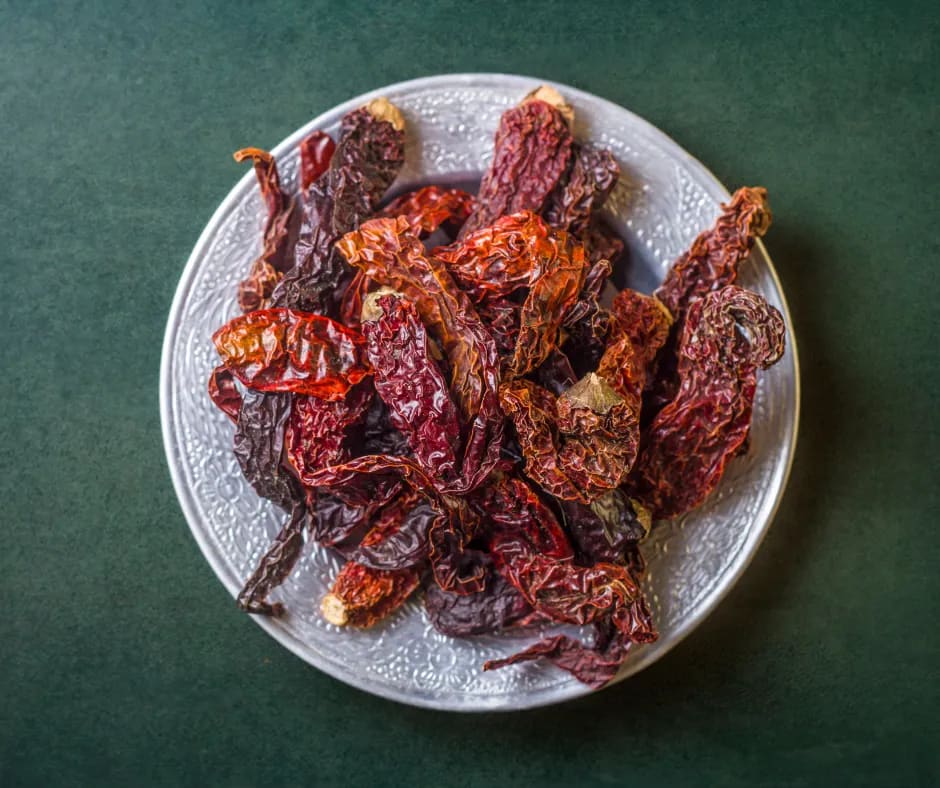
Kashmir produces some of the finest dry fruits in Asia, and bringing a selection home is one of the most practical and well-received things you can do. Kashmiri walnuts, almonds, dried apricots, figs, and mulberries are sold throughout the valley, but the quality and pricing vary significantly depending on where you buy. The local dry fruit markets in Srinagar's old city, particularly around the Bohri Kadal area, offer the freshest stock at honest prices. Vacuum-packed options are also available at airport shops and government stores, which makes carrying them home considerably easier without worrying about leakage or spoilage.
Kahwa, the traditional Kashmiri green tea brewed with saffron, cardamom, cinnamon, and almonds, is something most visitors fall in love with during their trip. Buying a good Kahwa mix to take home allows you to recreate that experience long after the vacation ends. Many local tea shops in Srinagar sell loose Kahwa blends by weight, and the quality is far superior to packaged versions sold in tourist areas. Pair it with a small jar of genuine Kashmiri saffron, which is sold by the gram and remains one of the most valuable edible products in the world by weight, and you have a gift set that practically anyone would appreciate.
Other edible items worth considering:
- Kashmiri honey: Particularly acacia and wildflower varieties from the mountain regions, known for their mild sweetness and floral aroma
- Shufta mix: A traditional Kashmiri sweet made with dry fruits and sugar, often gifted during festivals
- Dried morel mushrooms (Gucchi): One of the rarest and most expensive edible fungi in the world, found in Kashmir's forests and sold in small quantities
- Kashmiri red chilli powder: Milder and more aromatic than standard chilli powder, used widely in Wazwan cooking
- Sheer chai mix: Salted pink tea blend that is a Kashmiri breakfast staple and makes for an unusual but thoughtful souvenir
Comparison: Where to Shop in Kashmir, Tourist Markets vs. Local Markets vs. Government Emporiums
Knowing where to shop in Kashmir can save you a significant amount of money and dramatically improve the quality of what you bring home. The valley has three main categories of shopping venues, each with its own pricing structure, product quality, and overall experience. Tourist markets around Dal Lake and Gulmarg are convenient but carry a markup that can be substantial, sometimes reaching two to three times the fair value of an item. Bargaining is expected here, but even after negotiating, prices often remain above what you would find elsewhere.
Local markets in Srinagar's old city, including areas like Lal Chowk, Residency Road, and the lanes around Jamia Masjid, offer a far more grounded shopping experience. Prices are closer to realistic, the variety is greater, and you are more likely to interact directly with craftspeople or their families. Government emporiums, such as those run by the Jammu and Kashmir Handicrafts Corporation, are ideal for buyers who want guaranteed authenticity without the stress of negotiation. Prices are fixed, and items are certified, which is particularly valuable when buying expensive goods like saffron, pashmina, or antique carpets.
| Shopping Venue | Best For | Price Level | Authenticity Assurance | Bargaining |
|---|---|---|---|---|
| Tourist Markets (Dal Lake, Gulmarg) | Convenience, quick browsing | High | Low to moderate | Expected and necessary |
| Local Old City Markets (Lal Chowk, Bohri Kadal) | Dry fruits, everyday crafts, fabric | Moderate | Moderate | Possible and common |
| Government Emporiums (J&K Handicrafts) | Certified pashmina, saffron, carpets | Moderate to high | High, certified | Fixed prices, no bargaining |
| Craft Workshops and Artisan Villages | Walnut wood, papier-mache, embroidery | Low to moderate | Very high | Possible, respectful negotiation |
| Airport Shops | Last-minute vacuum-packed edibles | High | Moderate | Fixed prices |
For first-time visitors, a practical approach is to visit a government emporium early in the trip to establish a baseline understanding of fair prices and product quality. This makes it much easier to evaluate what you see later in local markets and tourist shops without getting misled. If you have extra time, visiting craft villages on the outskirts of Srinagar, where weavers, woodcarvers, and embroiderers work in their own spaces, offers both the best prices and the most meaningful shopping experience of the trip.
Smart Shopping Tips: Bargaining, Budgeting, and Avoiding Common Tourist Traps
Shopping in Kashmir is one of the most rewarding parts of any visit, but it does require a little preparation. Knowing where to shop, how to negotiate, and what red flags to watch for can mean the difference between taking home a genuine Kashmiri treasure and an overpriced imitation. These practical tips will help you shop with confidence.
Where to Shop for the Best Authenticity and Value
- Government emporiums: The J&K Government arts emporiums in Srinagar offer certified, fixed-price goods. These are ideal if you want guaranteed authenticity without negotiation pressure.
- Registered craft cooperatives: Look for shops affiliated with recognized craft bodies. These sellers are accountable and typically stock genuine handmade items.
- Local markets: Lal Chowk, Polo View Market, and the old city bazaars offer a mix of quality and price points. Competition between vendors here often works in your favor.
- Directly from artisans: Visiting craft villages like Kanihama for Kani shawls or craft centers in old Srinagar lets you see production firsthand and buy at fairer prices.
Bargaining Basics
- Bargaining is expected in most private shops but not in government emporiums or fixed-price stores.
- Start your counter-offer at around 50 to 60 percent of the asking price, then work toward a middle ground.
- Never bargain aggressively or rudely. Kashmiri merchants appreciate respectful negotiation and good humor.
- Walk away if the price still feels too high. Often a seller will call you back with a better offer.
- Agree on a price before purchasing multiple items together, as bulk buying usually brings better discounts.
Budgeting Guide: What to Expect to Spend
| Item | Budget Range (INR) | Notes |
|---|---|---|
| Pashmina shawl (genuine) | 5,000 to 25,000+ | Price rises sharply with embroidery and purity |
| Kani or Sozni shawl | 8,000 to 60,000+ | Handwoven pieces command premium prices |
| Kashmiri carpet (small) | 3,000 to 20,000 | Knot density determines value |
| Papier-mache item | 200 to 5,000 | Good budget gift option |
| Walnut wood item | 500 to 15,000 | Intricate carving adds significantly to cost |
| Saffron (1 gram) | 300 to 600 | Buy from certified or government-approved vendors |
Avoiding Common Tourist Traps
- Watch out for fake Pashmina: Many shops sell acrylic or blended fabric labeled as pure Pashmina. Always ask for a quality certificate or buy from government-certified outlets.
- Do not rush purchases on the first day: Spend a day walking the markets before spending big. You will quickly develop a sense of fair pricing.
- Avoid tours arranged by hotel staff or shikara guides: These often include commission-based shops where prices are inflated by 20 to 40 percent.
- Check saffron authenticity: Rub a strand between wet fingers. Genuine Kashmiri saffron releases a deep golden color slowly, while adulterated varieties bleed color immediately.
- Get receipts for everything: A proper receipt with the shop name and item description protects you if customs questions arise on your return journey.
- Shipping fragile or large items home: Reputable shops offer insured courier services for carpets and woodwork. Confirm this option before buying bulky goods.
Conclusion
Kashmir offers a shopping experience unlike anywhere else in India. From the whisper-soft warmth of a genuine Pashmina shawl to the intricate brushwork on a papier-mache box, every item you bring home carries a piece of centuries-old craftsmanship. The famous things in Kashmir to buy are not just souvenirs; they are works of art shaped by skilled hands, mountain traditions, and generations of dedication. Shopping thoughtfully, knowing what to look for, and taking the time to explore authentic markets will reward you with pieces that hold their beauty and meaning long after your trip ends.
Whether you are hunting for a statement carpet, a fragrant packet of saffron, or a hand-carved walnut keepsake, Kashmir's markets have something meaningful for every traveler and every budget. Use the tips shared here to shop smarter, avoid common pitfalls, and invest in quality over quantity. For more guidance on planning your Kashmir trip, including where to stay and what to see, Kashmir Holidays is your go-to resource for honest, locally informed travel advice.
Frequently Asked Questions
What is the most famous thing to buy in Kashmir?
The Pashmina shawl is widely considered the most iconic purchase in Kashmir. Made from the ultra-fine undercoat of the Changthangi goat, genuine Pashmina is prized for its softness, warmth, and craftsmanship. Hand-embroidered varieties like Sozni work make these shawls even more special and collectible.
How can I tell if Kashmiri saffron is real?
Authentic Kashmiri saffron has deep red threads with slightly lighter orange-yellow tips. When placed in warm water, it releases color gradually over several minutes. Fake or adulterated saffron bleeds color almost instantly. Buying from government-certified shops or reputable vendors with proper packaging reduces the risk of being misled.
Is bargaining acceptable when shopping in Kashmir?a normala normal
Yes, bargaining is a normal and expected part of shopping in most private Kashmiri shops and open markets. However, it is not appropriate in government emporiums or fixed-price stores. Negotiate respectfully, starting around 50 to 60 percent of the asking price, and always maintain a friendly tone throughout the process.
Where is the best place in Srinagar to buy authentic Kashmiri crafts?
The J&K Government arts emporiums offer certified, fixed-price genuine crafts and are great for first-time buyers. For a broader selection, Polo View Market, Lal Chowk, and the old city bazaars near Jamia Masjid offer competitive pricing. Visiting craft villages directly is ideal for high-value items like Kani shawls and carpets.
Can I carry Kashmiri products on a flight back home?
Most Kashmiri products, including shawls, saffron, dry fruits, papier-mache, and woodwork, can be carried on domestic and international flights. Saffron quantities may be subject to customs restrictions on international routes. For large items like carpets, ask the seller about insured courier shipping options to avoid luggage complications.