
Table of Contents
Where to Stay in Gurez Valley: Real Options for Every Budget
Gurez Valley vs Other Offbeat Kashmir Destinations: How It Compares
Gurez Valley, Kashmir, is the kind of place most visitors to Kashmir never get to see, and that is exactly what makes it special. Tucked away in the Bandipora district near the Line of Control, this remote alpine valley rewards the travelers who make the effort to reach it with pine-draped mountains, the rushing Kishanganga River, and a way of life that has barely changed in centuries. If you are looking for something genuinely different from the crowded ghats of Dal Lake or the tourist trails of Pahalgam, Gurez deserves a serious spot on your itinerary.
What Makes Gurez Valley Different From Mainstream Kashmir
Most people who visit Kashmir follow a well-worn route: Srinagar, Gulmarg, Pahalgam, maybe Sonmarg. These are beautiful places, but they are also well-developed, well-trafficked, and well-known. Gurez operates on a completely different level.
The valley sits at an elevation of roughly 2,400 meters and stretches along the Kishanganga River, which eventually flows into Pakistan-administered territory. Because of its sensitive border location, the Gurez Valley in Kashmir requires a special permit to enter, which keeps footfall low and the environment largely unspoiled. There are no luxury resorts here, no shikara touts, and no souvenir stalls every fifty meters. What you get instead is silence, clean air, and a genuine connection with the land.
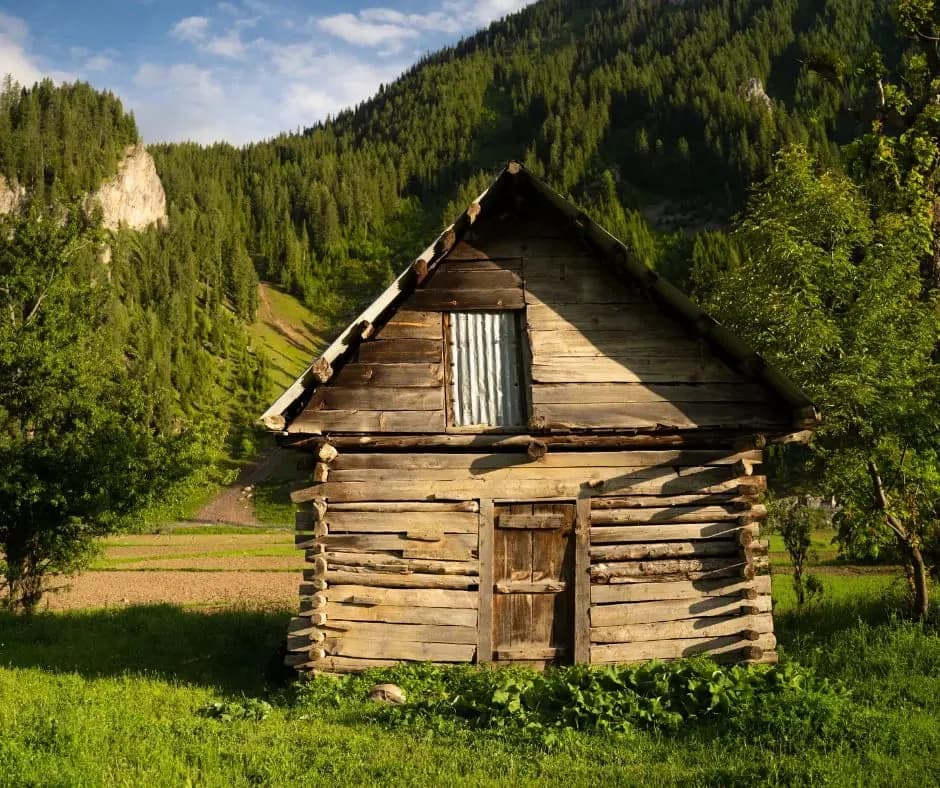
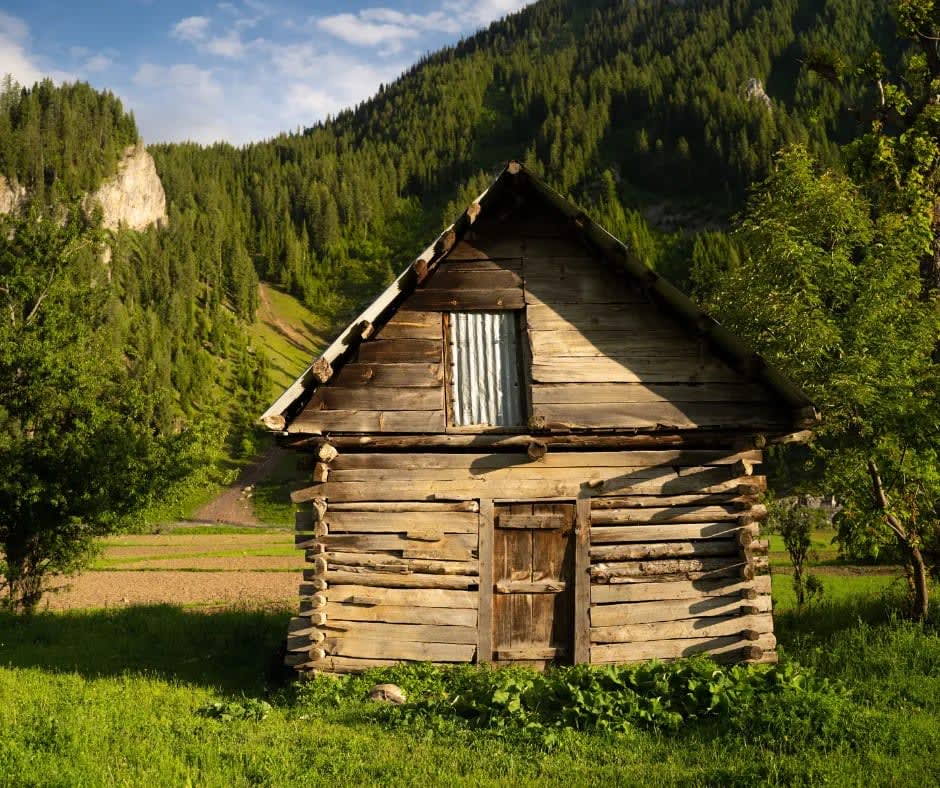
The people of Gurez belong to the Dard-Shin community, an ethnic group with roots that trace back to Central Asia. Their language, Shina, is distinct from Kashmiri, and their wooden homes, called kothae, are unlike anything you will see elsewhere in the region. The architecture, the food, the music, and the social customs all carry a cultural identity that feels entirely its own.
Wildlife enthusiasts will also find plenty to keep them busy. Brown bears, snow leopards, and Himalayan musk deer inhabit the forests surrounding the valley. The Kishanganga River supports good trout fishing, which attracts a small but dedicated group of anglers each season. Trekking trails connect Gurez to Tulail, Bangus Valley, and even Sonmarg through high-altitude passes that few outsiders have walked.
In short, Gurez is what Kashmir looked like before mass tourism arrived. It takes more planning to get there, but it delivers an experience that most mainstream destinations simply cannot match.
To understand Gurez Valley Kashmir: Best Offbeat Trip Guide, it helps to compare what you see in the data and what action you need to take next.
Inner Line Permit for Gurez: Step-by-Step Process in 2026
Because Gurez Valley, Kashmir, lies close to the Line of Control, Indian nationals and foreign tourists both need a permit before entering. This is called an Inner Line Permit, commonly referred to as an ILP. The process is straightforward once you know what to expect.
For Indian Nationals
Indian citizens can obtain the ILP from the District Commissioner's office in Bandipora, which is the last major town before the road to Gurez begins. In recent years, online applications have also been introduced through the official Jammu and Kashmir government portal, so it is worth checking whether the digital route is active before your trip. You will need a valid government-issued photo ID, a passport-sized photograph, and details of your vehicle and travel dates. The permit is usually issued within a few hours and is free of charge or carries a nominal administrative fee.
Groups traveling together can apply collectively, which saves time at the checkpoint. The permit specifies your entry and exit dates, so plan your itinerary before applying rather than leaving dates open-ended.
For Foreign Nationals
Foreign tourists face slightly more paperwork. You will need a valid Indian visa, your passport, and in some cases a recommendation letter from a registered travel agency. Foreign visitors are also typically required to travel in groups of at least four people and hire a government-approved guide. It is strongly advisable to coordinate with a local Kashmir travel operator who has experience handling foreign permits for Gurez, as the requirements can shift depending on the current security situation.
Key Tips for the Permit Process
Apply at least two to three days before your planned entry, especially during peak summer months when the DC office in Bandipora gets busy.
Carry multiple photocopies of your permit. Checkpoints along the Razdan Pass route will ask to see it more than once.
The permit covers the valley but not all surrounding areas. If you plan to trek toward the border zones, verify in advance whether additional clearance is needed.
Permits are non-transferable, so every member of your group needs their own copy with their name clearly listed.
Best Time to Visit Gurez Valley: Month-by-Month Breakdown
Gurez is a seasonal destination. The road connecting the valley to Bandipora crosses the Razdan Pass at approximately 3,300 meters, and heavy snowfall closes this pass for several months each year. Timing your visit correctly is not just about comfort; it is about whether you can actually get there at all.
May and June: Early Season Opening
The Razdan Pass typically opens in late April or early May, depending on how heavy the previous winter was. May brings lush green meadows still glistening from snowmelt, wildflowers beginning to bloom, and daytime temperatures that sit comfortably between 12 and 20 degrees Celsius. Nights can be cold, often dropping to single digits, so carry warm layers. June is arguably the most visually rewarding month, with the valley in full bloom and the Kishanganga running strong with glacial meltwater. Visitor numbers are still manageable in early June before school holidays bring more families in.
July and August: Peak Season
These are the busiest months in Gurez by local standards, though "busy" here still means far fewer tourists than you would encounter in Gulmarg or Pahalgam. Weather is warm and stable, making it the best time for trekking and camping. Expect temperatures between 18 and 28 degrees Celsius during the day. Rain is possible, particularly in late July, so pack a waterproof layer. Accommodation books out faster in August, so plan af you intend to stay at one of the few guesthouses in Dawar, the main village.
September and October: Golden Autumn
September and October are quietly becoming the favourite months for experienced Kashmir travelers. The summer crowds thin out, the poplar and chinar trees turn amber and gold, and the light in the valley takes on a warm, painterly quality. Days are pleasant and nights grow cold quickly after mid-September. This is also a good window for trout fishing. The Razdan Pass usually remains open through October, though early snowfall can catch travelers off guard, so keep an eye on weather forecasts and have a flexible return plan.
November to April: Valley Closed
From late October or November onward, heavy snowfall cuts off the Razdan Pass and the valley becomes inaccessible by road. The local Dard-Shin population largely continues their traditional winter routines in relative isolation. There is no tourist infrastructure operational during these months, and attempting to enter during winter without proper clearance and experience is genuinely dangerous.
In simple terms, plan your Gurez trip between May and October, with June, September, and early October offering the best balance of good weather, manageable crowds, and natural beauty.
How to Reach Gurez Valley From Srinagar
The journey to Gurez Valley begins in Srinagar and covers roughly 123 kilometers, but do not let that distance fool you. The road winds through some of the most dramatic mountain terrain in Jammu and Kashmir, crossing the Razdan Pass at approximately 3,450 meters above sea level. Most travelers complete the drive in 5 to 7 hours depending on road conditions, season, and how many stops you make along the way. The route passes through Bandipora town, which serves as a useful fuel stop and your last chance to withdraw cash before entering the valley.
The most practical way to reach Gurez is by hiring a private vehicle from Srinagar. Shared sumos and tempo travellers also operate from Bandipora's main bus stand, departing early morning around 7 AM. These shared vehicles are the budget-friendly choice, but they fill up fast, and the schedule depends on passenger demand, so arriving early matters. Private taxis booked from Srinagar give you more flexibility and allow you to stop at viewpoints like Burzahama and the stunning Wular Lake stretch along the way. There is no direct bus service from Srinagar to Gurez, so plan accordingly.
Mode of Transport | Starting Point | Approx Cost (2026) | Journey Time | Availability |
|---|---|---|---|---|
Private Taxi (SUV) | Srinagar | Rs 4,000 to Rs 6,000 one way | 5 to 7 hours | Year-round (when the road is open) |
Shared Sumo/Tempo | Bandipora | Rs 300 to Rs 500 per seat | 3 to 4 hours from Bandipora | May to October |
Self-Drive (4WD) | Srinagar | Fuel + permit charges | 5 to 7 hours | June to September recommended |
Motorcycle | Srinagar | Fuel only | 6 to 8 hours | July to September only |
If you plan to self-drive or ride a motorcycle, make sure your vehicle is in excellent mechanical condition before leaving Srinagar. Roadside repairs are nearly impossible inside the valley. The Razdan Pass section is narrow, occasionally prone to landslides after heavy rain, and can get icy even on June mornings. Always check road status through local transport offices or the J&K traffic police helpline before departure. Starting by 6 AM from Srinagar gives you comfortable daylight time to complete the journey without feeling rushed.
Where to Stay in Gurez Valley: Real Options for Every Budget
Accommodation in Gurez Valley, Kashmir is basic by design, and that is part of its charm. You will not find luxury resorts or chain hotels here. What you will find are government-run tourist bungalows, simple guesthouses run by local Shina families, camping sites along the Kishanganga River, and a handful of homestays that have grown in number over recent years. The government tourist bungalow in Dawar is the most established option, offering clean rooms with attached bathrooms, meals on request, and reliable electricity during generator hours. Booking in advance through the J&K Tourism Development Corporation is strongly recommended, especially between July and August.
Homestays are the most rewarding choice for travelers who want genuine cultural immersion. Local families in Dawar and surrounding villages like Tulail and Badwan welcome guests into their homes, cook traditional Shina meals, and often share stories about life along the Line of Control. Prices at homestays typically range from Rs 800 to Rs 1,500 per person including meals, making this the best value option in the valley. Communication can be limited, so asking your taxi driver to help you connect with a reliable homestay contact before arrival is a smart move.
Stay Type | Location | Approx Cost Per Night | Meals Included | Booking Method |
|---|---|---|---|---|
Govt Tourist Bungalow | Dawar | Rs 1,200 to Rs 2,500 | On request | J&K Tourism/booking |
Local Homestay | Dawar, Tulail | Rs 800 to Rs 1,500 | Yes (local food) | Direct / taxi driver contact |
Riverside Camping | Kishanganga banks | Rs 500 to Rs 1,000 | Self-arranged | Self-setup or local operators |
Private Guesthouse | Dawar town | Rs 600 to Rs 1,200 | Sometimes included | Walk-in or local inquiry |
Camping along the Kishanganga River is an increasingly popular choice among trekkers and adventure travelers. The riverbanks offer stunning sites with mountain views on all sides, and nights under a star-filled sky with almost zero light pollution are genuinely unforgettable. If you plan to camp, carry your own tent and sleeping gear rated for sub-zero temperatures, as nights drop sharply even in summer. There are no organized camping facilities with infrastructure, so this option suits experienced campers comfortable with fully self-sufficient setups.
Top Things to Do in Gurez Valley Beyond Just Sightseeing
Most people arrive in Gurez expecting to simply look at mountains and rivers, and they leave having done far more than they anticipated. The valley rewards curious, active travelers. Trekking is the most popular activity, with routes ranging from short half-day walks through meadows above Dawar to multi-day treks connecting Gurez with the Tulail sub-valley or pushing toward the Kishanganga source. The trek to Peer Kho Cave, a small but spiritually significant site tucked into the cliffs, takes about two hours from Dawar and offers some of the best views over the valley floor. No guides are officially mandatory for short treks, but hiring a local guide adds both safety and context.
Fishing in the Kishanganga River is another highlight that draws visitors who would never otherwise consider themselves anglers. The river holds healthy populations of brown trout, and the J&K Fisheries Department issues fishing permits that you can arrange in Dawar. The ritual of sitting by a fast-flowing glacial river, rod in hand, with pine-covered slopes rising on both sides is a deeply calming experience. Photography enthusiasts will find Gurez endlessly rewarding, from the geometric wooden architecture of Shina villages to the wildflower meadows that explode with color in June and July, to the dramatic cloud formations that roll over the Habba Khatoon Peak at dusk.
Trek to Tulail Valley: A full-day or overnight trek through high-altitude meadows with views back toward the main Gurez bowl
Visit Habba Khatoon Peak viewpoint: The peak named after Kashmir's beloved poetess looms over Dawar and is best photographed at golden hour.
Attend a local market day in Dawar: The small weekly markets are a window into everyday Shina culture and a good place to buy local honey and dried fruit.s
Kishanganga riverside walks: Easy flat walks along the river in the morning mist are a peaceful way to start any day in the valley.y
Trout fishing with a permit: Arrange through the local fisheries office and hire a small boat or wade the shallows with guidance
Explore Badwan and Chakwali villages: These quieter settlements beyond Dawar give a more unfiltered glimpse into traditional Gurez life.
One experience many visitors overlook is simply spending time in conversation with residents. The Shina-speaking Dard community of Gurez has a culture distinct from mainstream Kashmiri society, with its own music, oral poetry traditions, and customs shaped by centuries of living in an isolated mountain corridor. Guesthouses and homestay hosts are generally happy to share stories, and if you visit during local festivals or wedding seasons, you may be invited to join celebrations that most outsiders never witness.
Practical Tips, Packing List, and Common Mistakes to Avoid
Gurez Valley demands more preparation than a typical Kashmir trip to Gulmarg or Pahalgam. The remoteness that makes it special also means that things you forget at home simply will not be available. Connectivity is extremely limited. BSNL has the most reliable signal in Dawar, but even that drops frequently. Airtel and Jio work in parts of Dawar town but disappear completely once you move toward Tulail or outer villages. Do not rely on digital maps inside the valley. Download offline maps and detailed routes before leaving Srinagar, and carry printed copies of your Inner Line Permit at all times since security checkposts will ask to see them.
Medical facilities in Gurez are minimal. There is a small primary health center in Dawar but no hospital capable of handling serious emergencies. The nearest major hospital is in Bandipora, which is 3 to 4 hours away on mountain roads. This makes a basic personal medical kit non-negotiable. Altitude sickness can affect travelers crossing Razdan Pass, so spend a day acclimatizing in Srinagar or Bandipora if you are coming from sea level before heading up. Carry your own prescription medications in adequate supply since local pharmacies stock only the most basic items.
Documents: Inner Line Permit (printed, multiple copies), government-issued photo ID, vehicle registration papers if self-driving
Clothing: Thermal base layers, a heavy fleece or down jacket, waterproof outer shell, sturdy waterproof trekking boots, warm hat and gloves even in July
Electronics: Portable power bank (electricity is limited to generator hours), offline maps downloaded, extra memory cards for cameras
Medical kit: Altitude sickness medication (Diamox), basic painkillers, antiseptic, blister plasters, rehydration salts, personal prescriptions
Cash: Carry sufficient rupees from Srinagar or Bandipora since there are no ATMs in Gurez and digital payments are rarely accepted
Food supplies: Snacks, energy bars, instant noodles as backup since restaurant options are very limited outside of Dawar
Miscellaneous: Insect repellent, sunscreen with high SPF, water purification tablets, a physical compass
The most common mistakes travelers make in Gurez are underestimating how cold nights get even in summer, arriving without sufficient cash, and failing to check road conditions before the journey. Another frequent error is leaving permit paperwork incomplete. Checkpost officials take the Inner Line Permit seriously, and any missing details or unsigned documents mean you will be turned back at the checkpoint without exception. Book your accommodation before you arrive rather than hoping to find something on the spot, particularly during peak season in July and August when the limited beds fill quickly. With solid preparation, Gurez rewards you in ways that no amount of spontaneity in a better-connected destination can match.
Gurez Valley Food and Local Culture: What to Expect
Gurez is home to the Shina-speaking Dard community, one of the oldest ethnic groups in the region. Their customs, music, and daily rhythms feel almost untouched by modern tourism. Spending even a day engaging with locals here gives you something no five-star hotel ever could.
Traditional Foods You Should Try
Sheer Chai (Noon Chai): The signature pink salted tea served with bread at every household, warming and deeply local.
Harissa: A slow-cooked meat porridge, especially common during winter and festival gatherings.
Trout curry: Freshwater trout pulled straight from the Kishanganga River, cooked simply with local spices.
Girda and Lavasa: Traditional Kashmiri breads baked in clay ovens, served alongside wazwan-style dishes during celebrations.
Dried apricots and walnut chutneys: Homemade preserves you will find in almost every guest house and local home.
Cultural Practices Worth Knowing
The Dard community has strong oral storytelling traditions. If you stay with a local family, ask about their folk songs in the evenings.
Dress modestly, especially when visiting villages or any religious sites near the valley.
Photography of local women should always be done with permission. Many residents are warm and welcoming but prefer a respectful approach.
Festivals linked to harvest cycles and local Islamic traditions bring music and communal feasts. Timing your visit around these moments can be incredibly rewarding.
Gurez Valley vs Other Offbeat Kashmir Destinations: How It Compares
Kashmir has several lesser-known destinations that attract travelers looking to escape the Gulmarg and Pahalgam circuit. Understanding where Gurez sits among these options helps you plan a trip that genuinely matches what you are looking for.
Destination | Permit Required | Road Condition | Crowd Level | Best For |
|---|---|---|---|---|
Gurez Valley | Yes, Inner Line Permit | Challenging, mountain passes | Very low | Raw culture, trekking, solitude |
Lolab Valley | No | Moderate, accessible | Low to moderate | Day trips, meadows, easy trails |
Warwan Valley | Yes | Very difficult, seasonal | Extremely low | Advanced trekking, wilderness |
Doodhpathri | No | Good, well maintained | Moderate and rising | Meadows, families, short visits |
Bangus Valley | No | Rough, 4WD recommended | Very low | Camping, alpine meadows |
Gurez sits in a category of its own when it comes to the combination of cultural depth, border proximity, and natural drama. It demands more effort than most alternatives, but the payoff is proportionally greater.
Safety, Connectivity, and Responsible Travel in Gurez
Being close to the Line of Control means Gurez requires some sensible precautions. That said, thousands of visitors travel here each season without incident. Awareness and preparation are all you need.
Safety Guidelines
Never venture beyond marked boundaries or restricted zones without military clearance. Checkpoints are active and serious.
Always carry your Inner Line Permit at every checkpoint. Expect multiple verifications along the route.
Avoid solo trekking on unmapped trails, particularly near the northern edges of the valley.
Check weather conditions daily during monsoon months. Flash floods and landslides can affect the Bandipora-Gurez road quickly.
Carry a physical map alongside any offline digital map since mobile connectivity is sparse and unreliable throughout the valley.
Connectivity Reality
BSNL offers the most reliable signal in Gurez, though coverage remains patchy in several village clusters.
There is no broadband internet available for visitors. Expect a genuine digital detox.
The Army has emergency communication infrastructure, but civilian access is restricted to genuine emergencies only.
Responsible Travel Practices
Carry all non-biodegradable waste back with you. There are no waste management facilities in the valley.
Buy provisions and local produce from village shops and small family-run stalls to support the local economy directly.
Use water purification tablets or a quality filter bottle rather than buying single-use plastic bottles.
Respect agricultural land, especially meadows used for seasonal grazing by Gujjar and Bakarwal communities passing through.
Gurez Valley Photography Guide: What to Shoot and When
Gurez is genuinely one of the most photogenic valleys in the entire Himalayan belt. Knowing when and where to point your camera makes the difference between average shots and images that stop people mid-scroll.
Best Photography Spots in Gurez
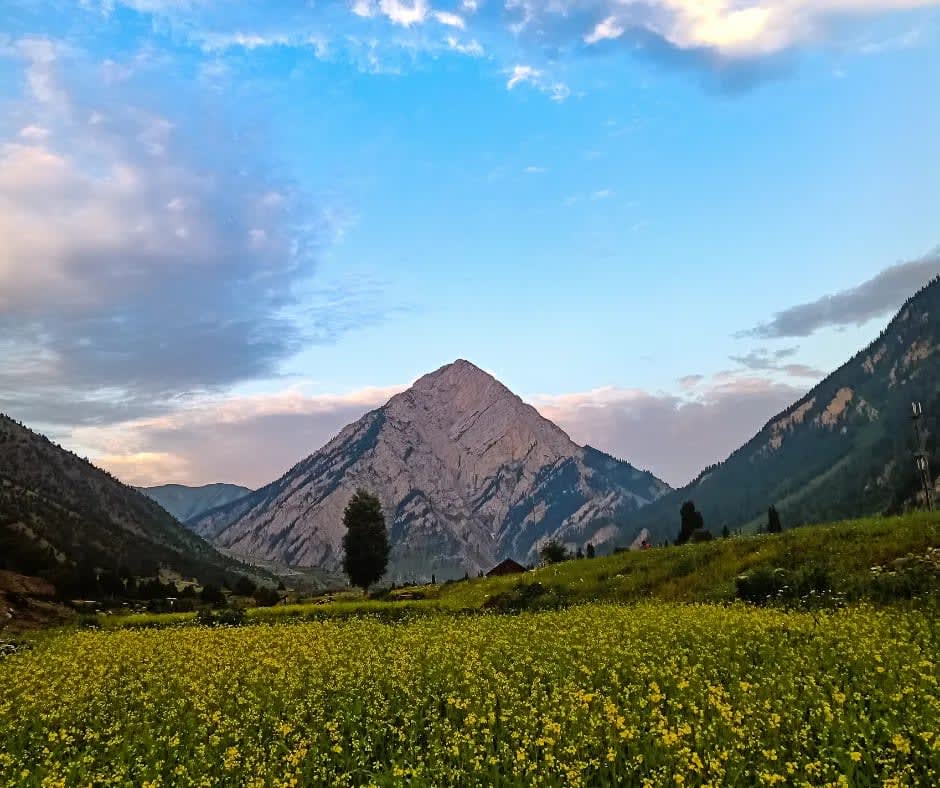
Habba Khatoon Peak at sunrise: The pyramid-shaped peak catches the first light in a way that turns the entire sky amber. Position yourself near Dawar village for the best angle.
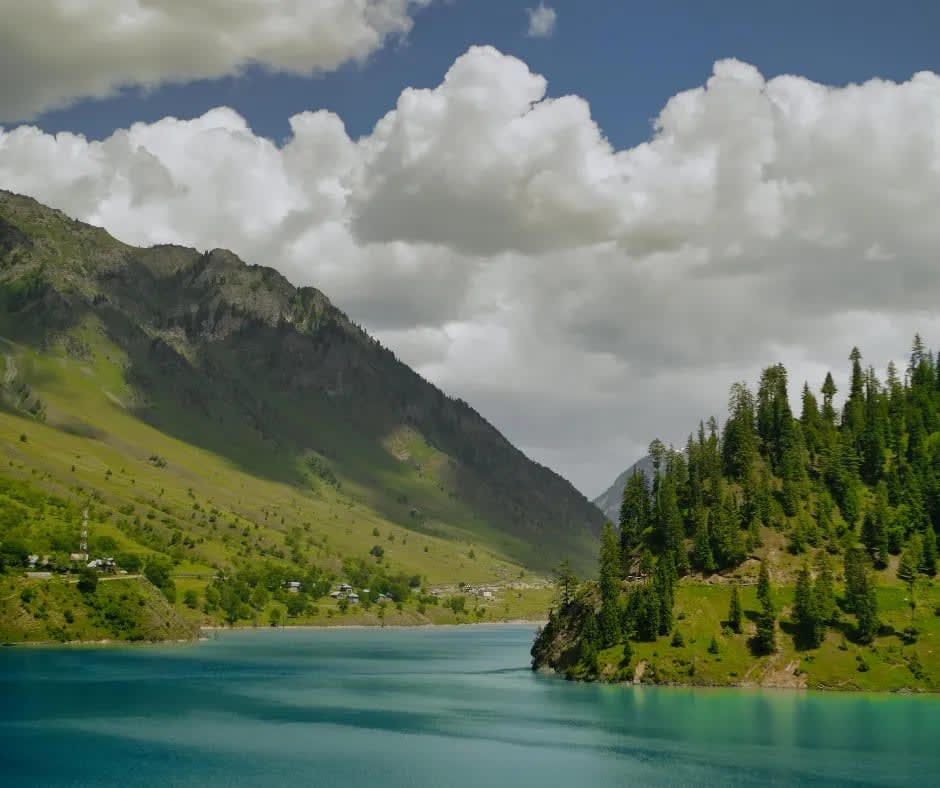
Kishanganga River bends: The aquamarine water curving through golden meadows is best captured from elevated viewpoints on the valley sides.
Tulail sub-valley in summer: Wildflowers, wooden bridges, and grazing horses make this one of the most painterly scenes in Kashmir.
Village life in Badwan and Chorwan: Early mornings when locals tend to livestock and light smoke rises from wooden homes create extraordinary atmospheric photographs.
Milky Way and star fields: With virtually no light pollution, Gurez is exceptional for astrophotography between June and September.
Photography Tips Specific to Gurez
Golden hour lasts unusually long because of the valley's orientation. Plan to be in position at least forty minutes before sunrise.
Bring lens filters for river and waterfall shots. The light reflecting off the Kishanganga can blow out highlights easily.
Cold nights can drain camera batteries fast. Carry at least two fully charged spares and store them in an inner jacket pocket overnight.
Always ask permission before photographing people closely, especially elders and women. A smile and a gesture go a long way even without shared language.
Conclusion
Gurez Valley is the kind of place that stays with you long after you leave. It asks more of you than a typical Kashmir holiday, demanding paperwork, a readiness for rough roads, and comfort with genuine remoteness. But everything it asks for, it returns tenfold in silence, scenery, cultural richness, and the rare feeling of being somewhere that tourism has not yet flattened into a product. Whether you spend three days or a full week here, you will come back with stories that the Dal Lake crowds simply cannot offer.
If you are ready to move beyond the postcard version of Kashmir and discover a valley that rewards curiosity and preparation in equal measure, Gurez is your answer. Start your permit application early, book your accommodation well in advance for peak summer months, pack for mountain conditions regardless of the season, and give yourself at least four full days to actually feel the place rather than just tick it off a list. The Kashmir Holidays travel guides cover every leg of this journey to help you plan with confidence.
Frequently Asked Questions
Is Gurez Valley safe for solo travelers in2026,,
Yes, Gurez Valley is generally safe for solo travelers including solo women, provided you stay within permitted zones, carry your Inner Line Permit at all times, and avoid trekking alone on unmapped trails. The local community is hospitable and Army presence along the route provides an added layer of security throughout the valley.
How many days are enough for a Gurez Valley trip?
A minimum of three nights and four days is recommended to cover Dawar, Habba Khatoon viewpoints, Tulail sub-valley, and the Kishanganga River areas comfortably. If you plan serious trekking or want to explore outer village clusters, extending to six or seven days gives you a far more rewarding and unhurried experience.
Can I visit Gurez Valley in winter?
No. The Razdan Pass road that connects Gurez to Bandipora closes entirely between November and May due to heavy snowfall. The valley is effectively cut off from the outside world during winter months. The only access window for visitors is typically June through October, with July and August being the most stable and accessible period.
Is there mobile network coverage in Gurez Valley?
BSNL is the only network with partial coverage in Gurez, mainly around Dawar town and a few larger villages. Private networks like Jio, Airtel, and Vi have no coverage in the valley. Visitors should download offline maps, inform contacts about limited availability, and treat the trip as a digital detox experience from the start.
Do foreign nationals need a different permit for Gurez Valley?
Yes. Foreign nationals require a Protected Area Permit in addition to the standard Inner Line Permit that Indian citizens need. This must be obtained before travel and involves additional documentation submitted to the Ministry of Home Affairs. Processing times can be longer, so foreign visitors should begin the application process at least three to four weeks before their planned travel date.