
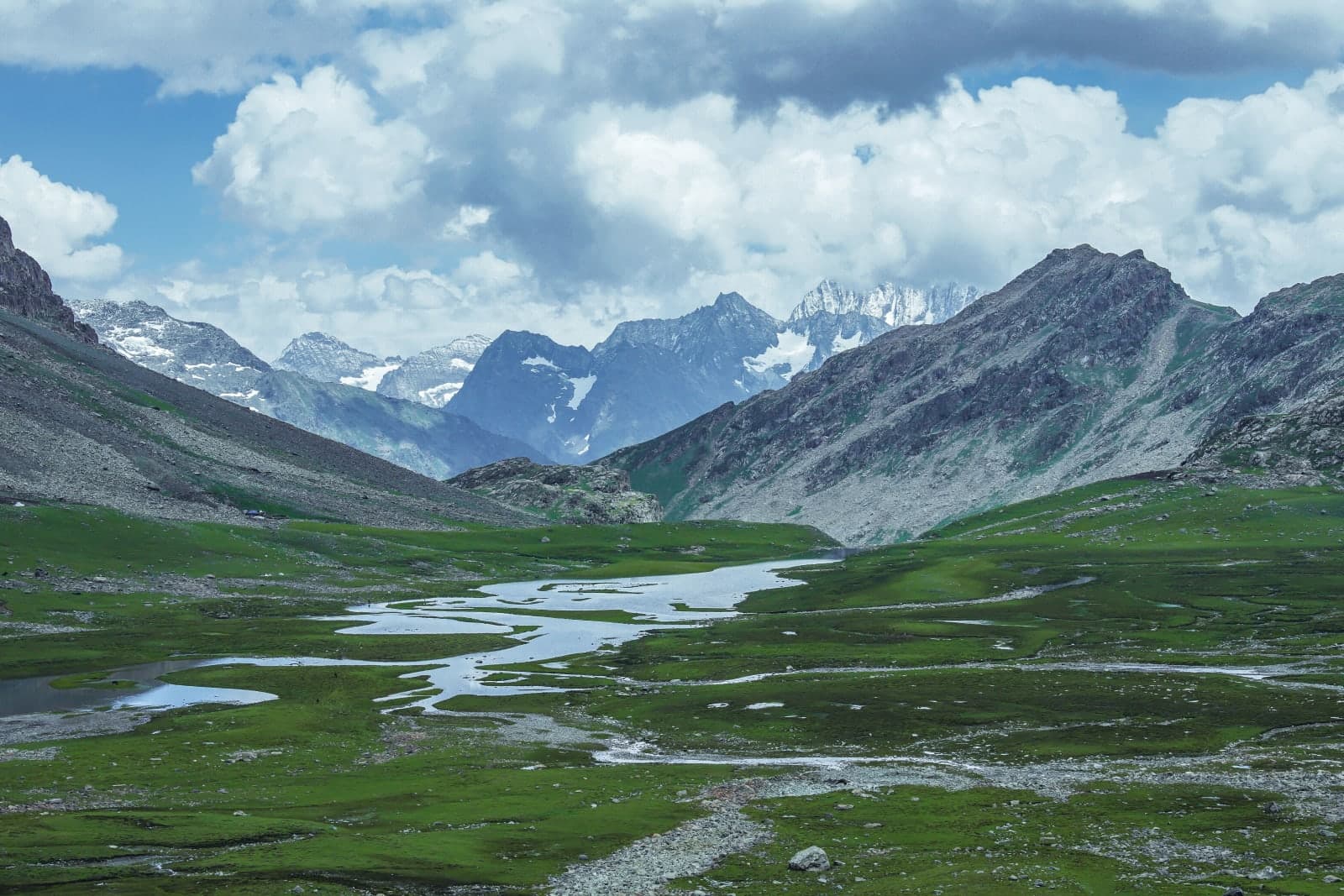
Shallabugh Wetland: Kashmir's Hidden Bird Paradise
Most visitors to Kashmir stick to Dal Lake and the houseboats. Just 25 km away, however, one of Asia's most significant migratory bird staging grounds sits largely off the tourist radar. Shallabugh Wetland Conservation Reserve spans roughly 1,675 hectares across the Ganderbal district and hosts over 68 species of waterbirds each winter. With increased eco-tourism focus in Jammu and Kashmir and new conservation measures taking shape in 2026, this is precisely the right time to plan your visit.
This guide covers the wetland's geography, the bird species you can realistically expect to see, the best seasons to visit, practical photography tips, directions from Srinagar, and how to book a guided trip through Kashmir Holidays. Whether you are a serious birder or simply curious about Kashmir's wilder side, Shallabugh will reward your effort.
What Makes Shallabugh Wetland Unique in the Kashmir Valley
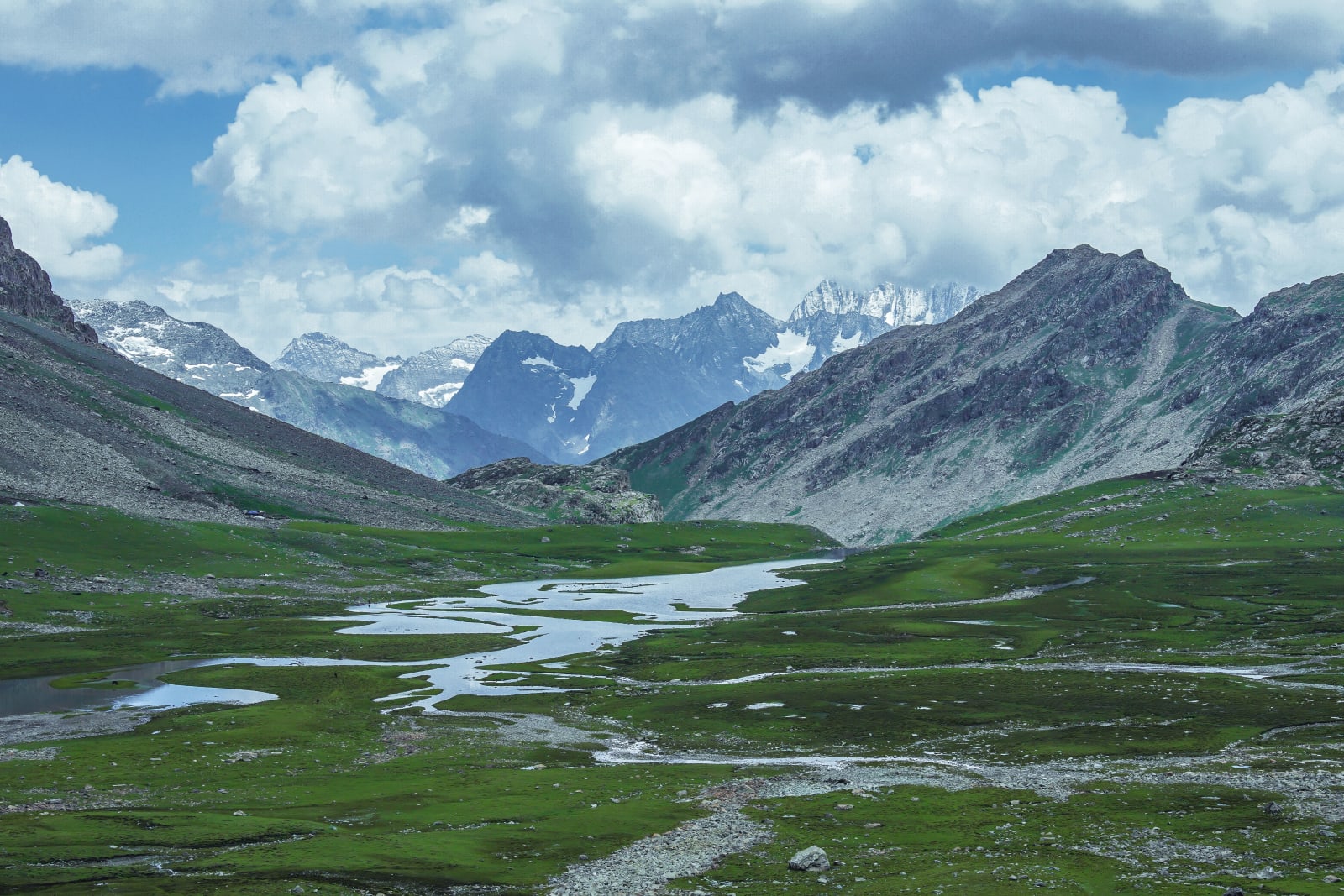
Photo by Imad Clicks on Pexels
Shallabugh Wetland was designated as a Conservation Reserve under the Wildlife Protection Act, making it one of only a handful of such protected areas in Jammu and Kashmir. It sits on the northern bank of the Jhelum River floodplain and acts as a natural flood buffer for surrounding villages. This legal status gives the water body and its buffer zone meaningful protection against encroachment and hunting.
The wetland forms part of the Central Asian Flyway, a migratory corridor used by millions of birds traveling between Siberia, Central Asia, and South Asia. This geographical position explains why the bird counts here are so impressive each winter. Unlike Hokersar, which sits closer to Srinagar and draws more visitors, Shallabugh receives far fewer tourists. Wildlife is less disturbed, and sightings feel more raw and natural as a result.
Seasonal water levels fluctuate dramatically throughout the year. Shallow marshy stretches dominate in summer, while deep open water pools form in winter. Each condition attracts entirely different species, giving the wetland a changing character across the calendar.
Geography and Ecosystem Structure of Shallabugh
Shallabugh Wetland sits at approximately 34.2°N, 74.9°E, at an elevation of around 1,585 meters above sea level in Ganderbal district. The wetland is fed primarily by Sindh River tributaries and seasonal runoff from the Zabarwan range to the west. This combination of water sources keeps the reserve active across most of the year.
Vegetation zones within the reserve include open water, reed beds dominated by Phragmites australis, floating aquatic plants like Trapa natans (water chestnut), and wet grassland fringes. Water chestnut harvesting is still practiced by local communities. This traditional land use actually helps maintain open water zones that ducks prefer, making it a rare example of human activity benefiting wildlife. The surrounding agricultural fields serve as a secondary foraging ground for bar-headed geese and common cranes during early morning feeding runs.
Check out our latest blog on What Makes Hokersar Wetland the Queen Wetland of Kashmir?
Why the Wetland Matters Ecologically
Shallabugh was declared a Conservation Reserve in 2011 under the J&K Wildlife Protection Act. The reserve supports critical wintering populations of the common pochard (Aythya ferina), a species listed as Vulnerable on the IUCN Red List. Its presence here makes the site genuinely important beyond regional interest.
Key threats facing the wetland include encroachment by agricultural expansion, illegal fishing using nets inside the core zone, and the spread of water hyacinth across open water sections. Siltation from the Sindh River has gradually reduced water depth in the eastern sections over the last two decades, shrinking prime duck habitat. Despite these pressures, the Wildlife Department and local NGOs conduct annual waterfowl counts. The January census typically records peak numbers, often exceeding 25,000 individual birds in good years.
Bird Species You Can Actually Spot at Shallabugh Wetland
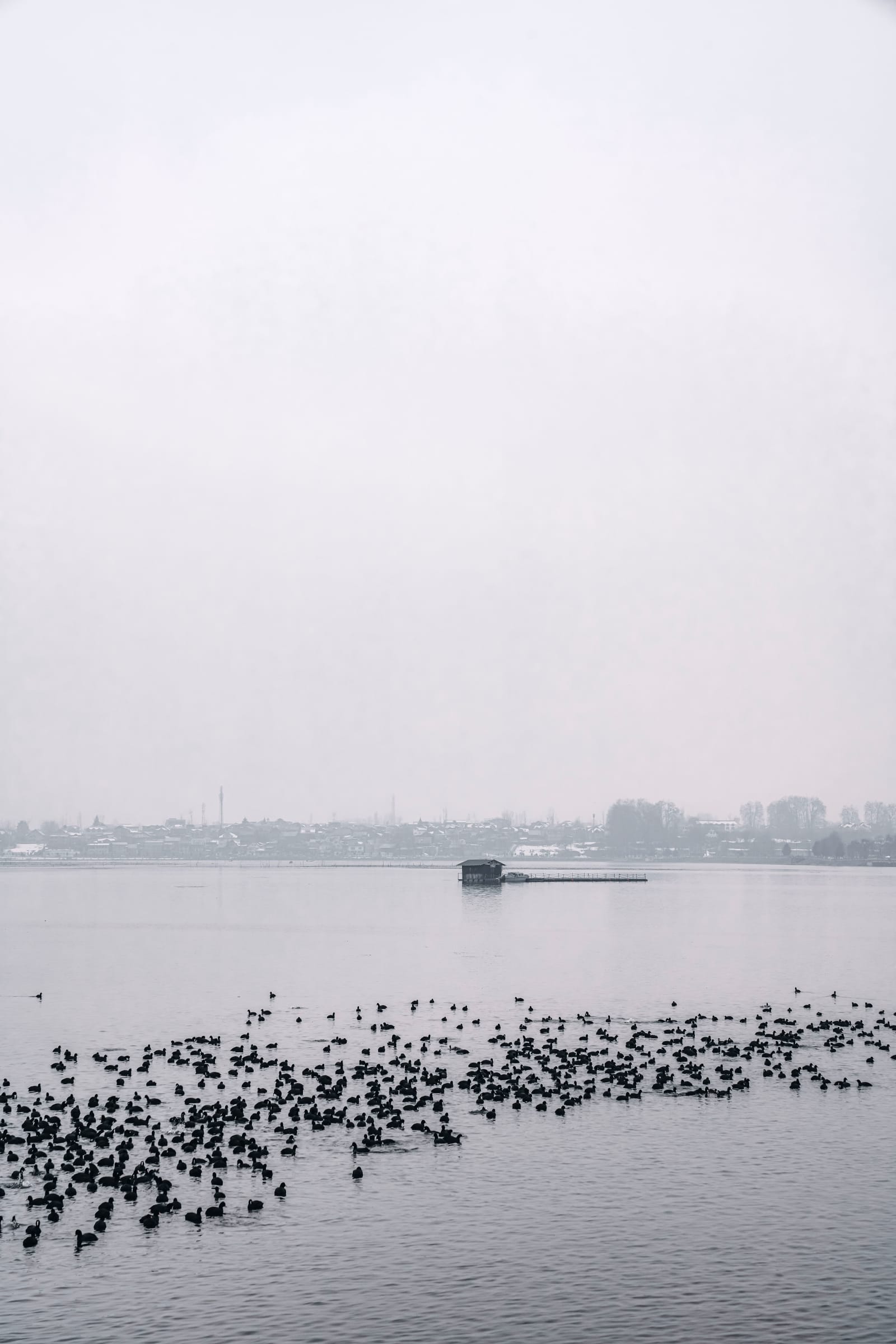
Photo by Imad Clicks on Pexels
Winter migrants from November to February dominate the spectacle. This is when species counts are highest, and the wetland delivers its most rewarding visits. Summer and monsoon months from June to August bring a different cast of birds, including breeding residents, waders, and occasional rarities pushed off course by weather systems.
Resident species are present year-round and give Shallabugh its baseline ecological character. The list below is organized by seasonal category to help you match your visit to your target species.
Winter Migrants: The Star Attractions of Shallabugh
The winter months transform Shallabugh into one of Kashmir's most exciting wildlife destinations. Flocks numbering in the hundreds arrive by late October, and the reserve fills steadily through December and January.
Common teal and northern pintail are often the most numerous ducks, arriving by late October in flocks of several hundred.
Greater white-fronted goose and greylag goose roost on open water sections in the northwest corner of the reserve near the Jhelum inlet.
Common pochard and ferruginous duck are diving ducks that prefer the deeper central pools. The ferruginous duck is uncommon enough to attract specialist birders from across the region.
Bar-headed geese are the high-altitude migrants that cross the Himalayas. Small parties frequently stop at Shallabugh to feed before continuing south.
Ruddy shelduck is highly visible due to its orange-chestnut plumage. Pairs and small groups roost on mudflats along the western edge of the reserve.
Rare sightings on record include Pallas's fish eagle, white-tailed eagle, and Dalmatian pelican. The Dalmatian pelican is one of the world's rarest pelican species, making any record here significant.
Resident and Breeding Species Year-Round
Even outside the peak winter window, Shallabugh holds a healthy community of resident birds. These species give the reserve its identity on days when migratory waterfowl numbers are low.
Purple swamphen and common moorhen breed in the reed beds. Juveniles become visible from July onward.
Little grebe and great crested grebe are present through most months. Nesting platforms in floating vegetation have been observed in May and June.
Eurasian marsh harrier quarters low over reed beds throughout the day and is one of the most reliable raptors at the site.
Black-crowned night heron roosts in willows along the southern bund and becomes active at dusk, making evening visits particularly productive.
Common kingfisher perches on stakes and nets along the fishing ghats. It is photogenic, predictable, and reliably present across all seasons.
Best Time to Visit Shallabugh Wetland: Month-by-Month Breakdown
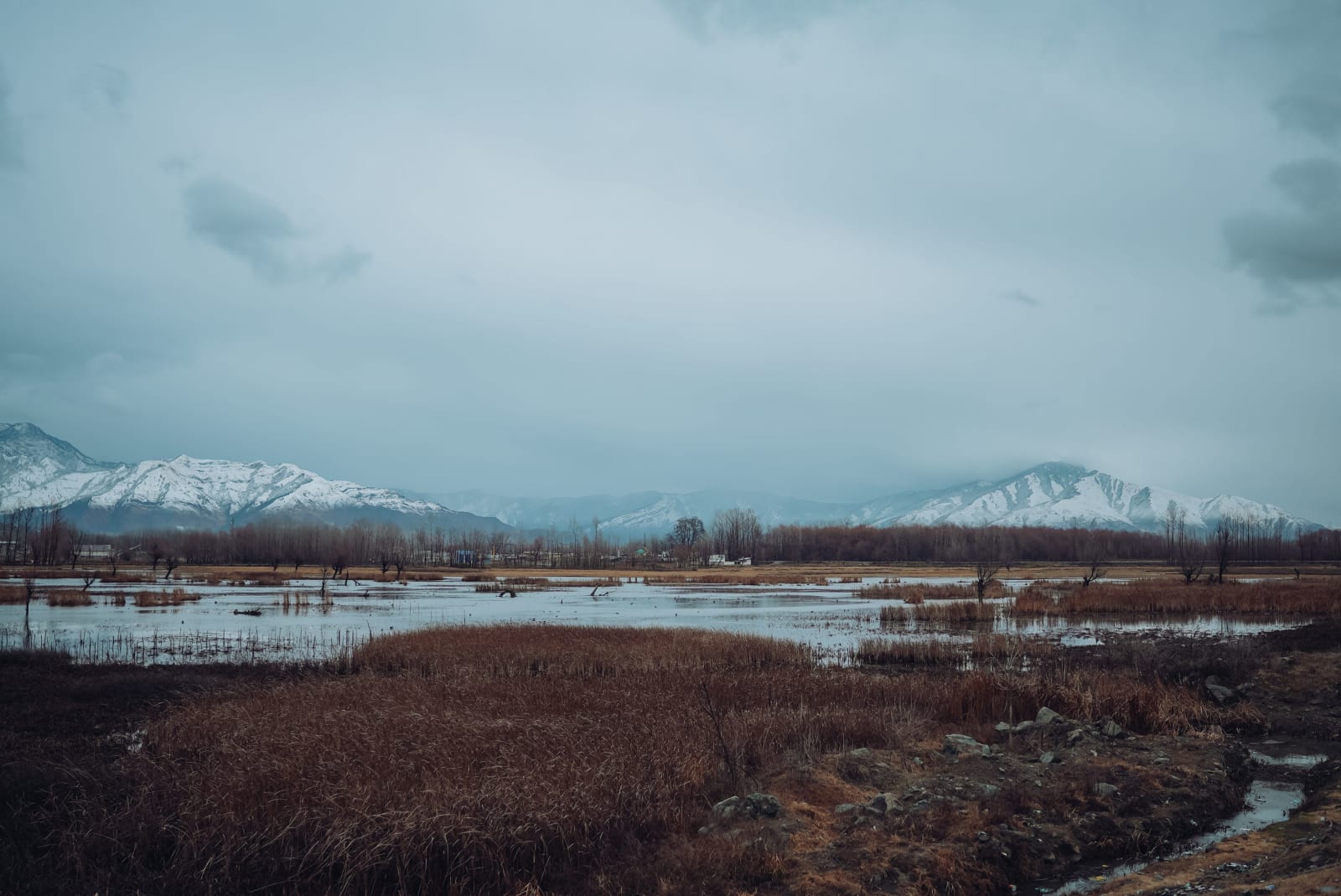
Photo by Imad Clicks on Pexels
The best time to visit Shallabugh depends entirely on what you are looking for. If maximum bird numbers are your goal, December and January are unmatched. If comfortable walking conditions matter more, February and March offer pleasant daytime temperatures with respectable bird activity still present.
Most guided tours from Kashmir Holidays to Shallabugh are scheduled between November and February to coincide with peak waterfowl presence. Avoid mid-July to late August. Monsoon flooding makes the track to the main viewing areas impassable by vehicle during this period. A weekday visit in December combined with a 6 AM arrival before mist clears gives the best chance of undisturbed bird behavior and dramatic early light conditions.
Season Comparison Table: When to Visit Shallabugh
Month | Bird Activity | Weather | Photography Quality | Crowd Level |
|---|---|---|---|---|
October to November | First migrants arrive, geese and early ducks present | 5-15°C, clear skies | Excellent, golden autumn light | Very low |
December to January | Peak diversity and numbers, often 25,000+ birds | -5°C nights, cold days | Dramatic, ice edges and mist | Low |
February to March | Numbers declining, raptors like osprey peak | 0-12°C, pleasant days | Good, clear mountain backdrops | Low |
April to May | Breeding residents active, spring waders on passage | 10-22°C, lush scenery | Good for general nature photography | Very low |
June to September | Very low waterfowl numbers, monsoon flooding | 18-28°C, heavy rain | Poor, access limited | Minimal |
How to Get to Shallabugh Wetland from Srinagar
Shallabugh Wetland sits approximately 25 km northeast of Srinagar city center. The route follows the Srinagar-Sonmarg highway (NH1) through Ganderbal town. The drive takes roughly 40 to 50 minutes depending on traffic near the Srinagar outskirts.
The main access point is a metalled road that branches left just before Shallabugh village. Signs are minimal, so first-time visitors benefit greatly from a local guide or confirmed GPS coordinates (approximately 34.18°N, 74.90°E). Kashmir Holidays includes Shallabugh in its dedicated birdwatching day-tour packages, handling transport, a knowledgeable guide, and a packed lunch from Srinagar so that visitors can focus entirely on the birds.
Practical Access: Roads, Entry Points, and Local Logistics
The earthen bund running along the wetland's southern edge serves as the main walking track. It stretches roughly 3 km and is passable on foot or by bicycle hired in Ganderbal town. No formal entry gate or ticketing system exists as of 2025. Access is managed informally, and visitors should report to the Wildlife Department beat guard post near the main bund entrance.
Nearest accommodation: Ganderbal town (4 km) has basic guesthouses. Most visitors base themselves in Srinagar and make a full day trip.
Facilities: No toilets exist at the wetland. Plan accordingly. The nearest facilities are at roadside dhabas on the main highway.
Mobile network: Jio and BSNL signals are available at the bund. Airtel can be patchy in the northern sections of the reserve.
Winter road alert: After heavy snowfall, the access branch road becomes slippery. A 4WD vehicle or snow chains are advisable from late December through February.
Local boats: Fisher boats occasionally offer informal wetland access from the water side, giving a completely different and highly productive viewing angle.
Birdwatching and Photography Tips Specific to Shallabugh
The flat, open terrain at Shallabugh means birds can spot observers from a considerable distance. Approach techniques matter far more here than at forested sites where cover is abundant. Moving slowly, dressing appropriately, and timing your arrival correctly will determine the quality of your experience more than any other factor.
Equipment choices differ between casual birdwatching and serious photography. Both are rewarding at Shallabugh, but each requires different preparation before you leave your vehicle.
Field Tactics for Getting Close to Birds Without Disturbing Them
Walk the bund slowly and stop every 50 meters to scan. Abrupt movement flushes ducks from 200 meters away on open water.
Use the reed bed edges as natural hides. Crouching behind Phragmites clumps works well for approaching swamphen and moorhen at close range.
Wear earth-tone clothing in khaki, olive, or brown. Bright colors and white jackets contrast sharply against the winter sky and disturb birds.
Position yourself on the bund looking outward toward fields rather than at the water during the early morning feeding peak from 6:30 to 9:00 AM.
A spotting scope with 60-80x magnification is essential for identifying diving ducks on the central open water sections. Binoculars alone leave most ducks as distant silhouettes.
Never play bird calls through a speaker to attract species. This practice is ecologically harmful and explicitly prohibited within Conservation Reserves under J&K rules.
Photography Equipment: Pros and Cons for Shallabugh Conditions
Equipment Type | Suitability for Shallabugh | Pros | Cons | Recommended For |
|---|---|---|---|---|
DSLR/Mirrorless + 500mm+ lens | Excellent | Best image quality, frame-filling duck portraits | Heavy on the 3 km bund walk | Experienced wildlife photographers |
Superzoom bridge camera (125x optical) | Good | Lightweight, affordable, versatile range | Image quality drops in low morning light | Beginners and casual visitors |
Smartphone with telephoto adapter | Limited | Always available, no extra weight | Usable only for large birds within 30 meters | Social media snapshots of geese and herons |
Monopod | Highly suitable | Stable for flight shots, quick to deploy on bund | Less stable than a full tripod for static shots | Anyone walking the full bund length |
One winter-specific tip applies to all camera types: battery drain accelerates dramatically below freezing. Carry at least two fully charged spares and keep them in an inner jacket pocket between shots. Cold batteries will fail mid-morning without warning.
Combining Shallabugh with Other Nearby Attractions
Shallabugh is well-positioned within a broader nature circuit. Wular Lake, India's largest freshwater lake, sits roughly 45 km to the north. Manasbal Lake lies about 30 km to the west and holds breeding and wintering birds including the endangered Baer's pochard, recorded here in recent winters. Sonamarg is 75 km from Shallabugh along the same NH1 highway. A Shallabugh morning followed by an afternoon drive to Sonamarg makes a logical same-day itinerary in the summer months.
Ganderbal town itself is known for fresh river trout from the Sindh River. A meal at a riverside dhaba after a wetland morning is a genuine local experience and a natural end to the day. Kashmir Holidays offers a three-wetland circuit covering Shallabugh, Manasbal, and Hokersar across two days, which is efficient for birders with limited time who want to compare different wetland habitats in a single trip.
The Ganderbal and Sonamarg Extension
The cultural calendar around Shallabugh adds another layer of interest. The Shallabugh village has a traditional water chestnut harvesting season from September to early October. Visiting during this period offers a photogenic activity that is entirely separate from birdwatching but deeply rooted in the local way of life.
For photographers, the contrast between Shallabugh's flat wetland and the snow-capped Zabarwan mountains as a backdrop creates compelling landscape-bird composite images. These conditions are most pronounced from December through February, when mountain snow cover is at its deepest. Schedule Shallabugh as the first stop of any Kashmir nature day-trip. Birds are most active in the morning, leaving afternoons free for scenic drives or Srinagar sightseeing without sacrificing the best wildlife hours.
Final Thoughts
Shallabugh Wetland is not a backup option to better-known Kashmir attractions. It is a genuinely world-class birdwatching destination that rewards visitors who plan around it deliberately. The key takeaways are straightforward: visit between November and February for peak bird numbers, arrive before 7 AM, bring a spotting scope, walk slowly on the bund, and respect the Conservation Reserve regulations at all times. These simple steps will produce experiences that most Kashmir visitors never encounter.
For visitors who want to make the most of limited time in Kashmir, Kashmir Holidays at kashmirholidays.co offers guided day trips and multi-wetland circuits that handle all logistics so you can focus entirely on the birds. Browse the birdwatching and nature tour section, or contact the team directly to build a custom itinerary that puts Shallabugh Wetland at its center.
Frequently Asked Questions
Is there an entry fee to visit Shallabugh Wetland Conservation Reserve?
As of 2025, there is no formal entry fee or ticketing system at Shallabugh Wetland. Access is managed informally by a Wildlife Department beat guard at the main bund entrance. Visitors should check in with the guard on arrival. This arrangement may change as eco-tourism infrastructure develops, so it is worth confirming current conditions with your tour operator or the Ganderbal Wildlife Department before visiting.
What is the best month to see the maximum number of birds at Shallabugh?
December and January are the peak months for bird numbers at Shallabugh Wetland. The annual January waterfowl census regularly records over 25,000 individual birds in favorable years. Diving ducks like common pochard and ferruginous duck concentrate on the deeper central pools during this period, while geese and shelducks roost along the open water edges. Planning your visit around the Wildlife Department census in January also gives you the chance to observe professional counting methods.
Can I visit Shallabugh Wetland without a guide, or is a local guide necessary?
Independent visits are possible. The southern bund is accessible without a guide, and no law requires you to hire one. That said, a local guide adds significant value at Shallabugh. The access road off the main highway is poorly signed, diving duck identification requires experience, and a guide familiar with the reserve will know exactly where key species are concentrated on any given day. Kashmir Holidays provides specialist birdwatching guides for Shallabugh who know the site's seasonal patterns in detail.
Are there any accommodation options near Shallabugh Wetland?Sonmarg
Basic guesthouses are available in Ganderbal town, approximately 4 km from the wetland. However, most visitors choose to base themselves in Srinagar and make Shallabugh a day trip given the short 25 km distance. Srinagar offers a much wider range of hotels and houseboats to suit all budgets. If you are combining Shallabugh with other wetland sites like Manasbal or a Sonamarg extension, Kashmir Holidays can arrange overnight stays in Srinagar between visits as part of a multi-day itinerary.
Is Shallabugh Wetland safe to visit in winter when temperatures drop below freezing?
Yes, Shallabugh is safe to visit in winter with proper preparation. Night temperatures can fall to -5°C, but daytime conditions on the bund are manageable with layered clothing, waterproof boots, and windproof outer layers. The main practical concern is road access. After heavy snowfall, the branch road from the highway can become slippery, and a 4WD vehicle or snow chains are advisable from late December through February. Carrying hot drinks in a thermos, spare camera batteries, and a fully charged phone is standard preparation for a winter birdwatching visit.