
Table of Contents
Kashmir Shawl Price Ranges: What to Realistically Expect in 2026
How to Tell a Real Kashmir Shawl from a Fake: 7 Practical Tests
Walking through the old bazaars of Srinagar, it is almost impossible not to stop at a shawl shop. The colors, the textures, the sheer artistry on display- it all draws you in. A Kashmir shawl is not just a piece of fabric. It is centuries of craft tradition woven into something you can actually wear, and buying the right one takes a little knowledge before you hand over your money.
What Is a Kashmir Shawl and Why Is It So Special?
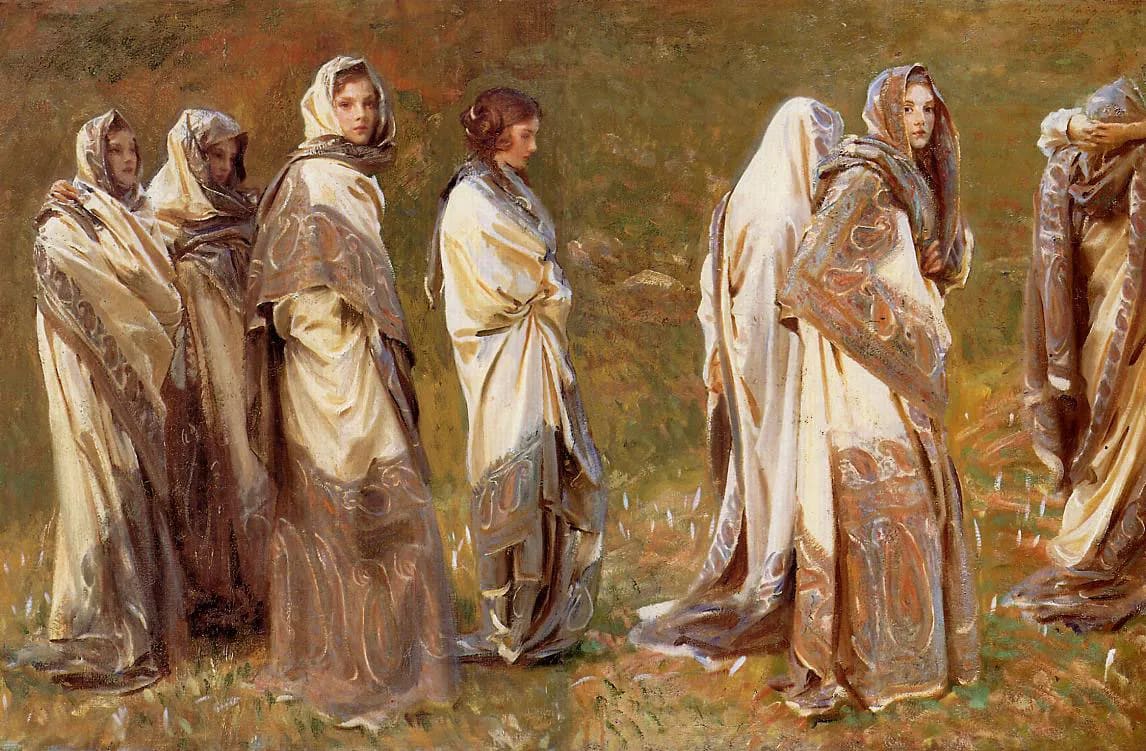
Image Source: Wikipedia
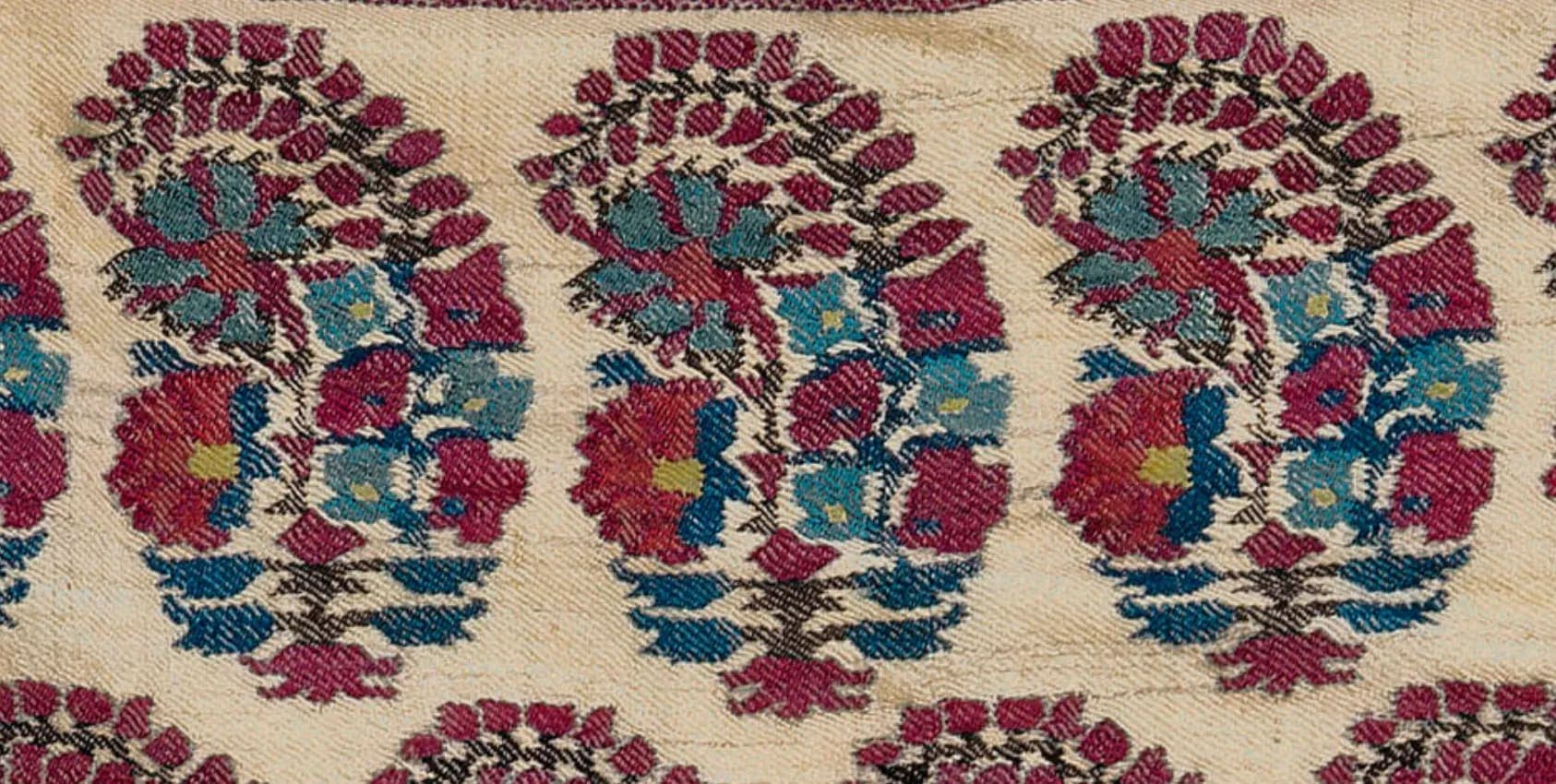
A Kashmir shawl is a hand-crafted woolen or fiber-based wrap produced in the Kashmir Valley for over five hundred years. The tradition dates back to the Mughal period, when Emperor Akbar is said to have been so captivated by Kashmiri weaving that he wore these shawls himself and gifted them to nobles across his empire. By the 18th and 19th centuries, Kashmir shawls had become prized possessions in European royal courts, sparking such demand that French and Scottish manufacturers tried, and largely failed, to imitate them.
What sets a Kashmir shawl apart from any ordinary woolen wrap is a combination of three things: the raw material, the technique, and the geography. The finest shawls are made from Pashmina, a fiber combed from the underbelly of the Changthangi goat that grazes at high altitudes in Ladakh. The fiber is extraordinarily soft, lightweight, and warm all at once. Skilled weavers in the Valley then work this fiber on traditional handlooms, sometimes spending months on a single shawl depending on the complexity of the design.
The embroidery, known locally as Sozni work, is done entirely by hand using fine needles. A heavily embroidered Pashmina shawl can take a single craftsperson anywhere from six months to three years to complete. That is the kind of labor investment you do not find in machine-made alternatives, and it explains why genuine Kashmir shawls command the prices they do. When you buy one, you are not just buying a product. You are taking home a piece of living heritage.
Kashmir Shawl Price Ranges: What to Realistically Expect in 2026
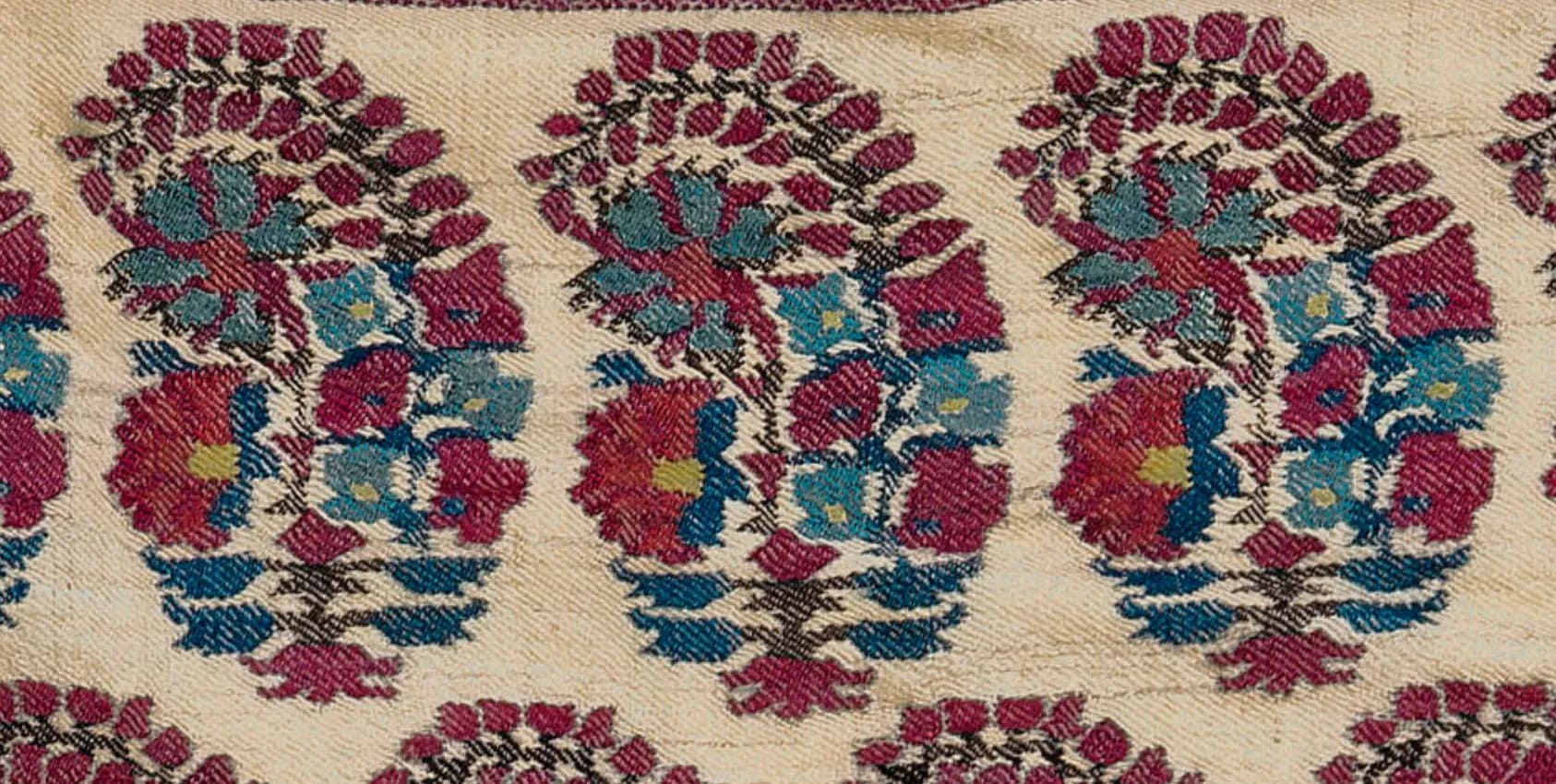
Image Source: Wikipedia
One of the most common questions travelers ask before visiting Kashmir is how much a good shawl actually costs. The honest answer is that prices vary enormously depending on the material, the type of weave or embroidery, and where you buy. Here is a practical breakdown of what you can expect to pay in 2026 when shopping locally in Srinagar or other parts of the Valley.
Entry-level woolen and acrylic blends: If you are shopping on a tight budget or want to pick up a few casual pieces as gifts, machine-made or blended shawls start at around INR 300 to INR 1,500. These are widely available in tourist markets and are perfectly decent as casual wraps, but they are not genuine Pashmina.
Hand-spun Pashmina shawls (plain or lightly embroidered): A basic but authentic hand-spun Pashmina shawl without heavy embroidery will typically cost between INR 3,000 and INR 12,000. Plain Pashminas in solid colors sit at the lower end, while those with simple Sozni embroidery borders move toward the higher end of this range.
Fully embroidered Pashmina shawls: A shawl with dense Sozni or Aari embroidery covering a significant portion of the fabric will cost anywhere from INR 15,000 to INR 80,000 or more. The price reflects the number of hours invested in the needlework.
Kani shawls: These are among the most labor-intensive shawls produced in Kashmir, woven on a special loom using small wooden sticks called Kanis to create intricate patterns. A genuine Kani shawl starts at around INR 20,000 and can easily exceed INR 2,00,000 for a large, finely detailed piece.
Pure Shahtoosh: Worth mentioning only as a caution. Shahtoosh is made from the fiber of the Tibetan antelope, a protected species. It is illegal to buy or sell in India and internationally. Any seller offering you Shahtoosh is either breaking the law or selling you something else entirely. Walk away.
As a general rule, if a price seems too good to be true for what is being described as pure Pashmina, it almost certainly is not genuine. Knowing these rough price anchors before you start shopping will help you negotiate sensibly and avoid paying tourist prices for something that does not deserve them.
How to Tell a Real Kashmir Shawl from a Fake: 7 Practical Tests
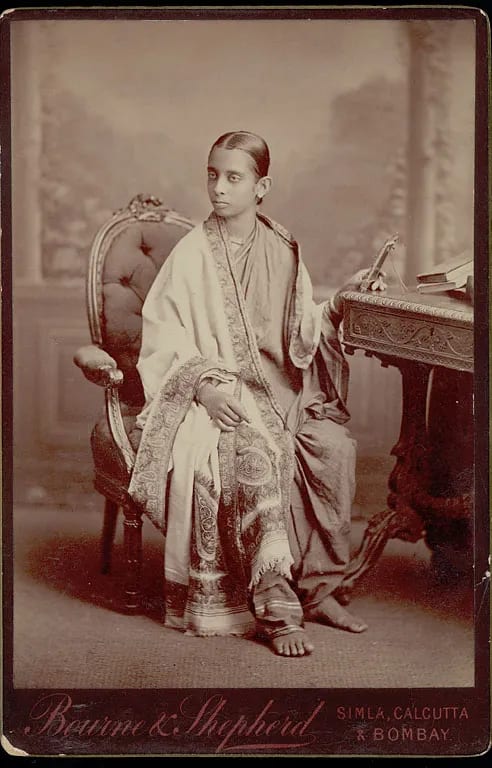
Image Source: Wikipedia
The Kashmir shawl market is flooded with imitations, and even experienced shoppers can be caught off guard. Machine-made copies from Ludhiana, Amritsar, and overseas factories are sometimes passed off as genuine Kashmiri handwork, often at prices that seem like a bargain but signal a problem. Knowing how to check authenticity before you buy is the single most important skill you can develop before shopping in Srinagar or Pahalgam.
The most reliable tests do not require any specialist knowledge. They rely on touch, sight, and a few seconds of careful inspection. Here are seven practical ways to verify that a Kashmir shawl is the real thing:
The ring test: A genuine Pashmina shawl, especially a fine shahtoosh-grade or high-quality pashmina, should pass through a finger ring smoothly. If it bunches or snags, the wool is coarser or blended.
The burn test: Pull a few loose threads and burn them gently. Real pashmina smells like burnt hair, not plastic, and the ash crumbles. Synthetic fibers melt and leave a hard bead.
The touch test: Genuine pashmina feels warm, buttery, and slightly rough on first touch, then softens with body heat. Acrylic imitations feel uniformly smooth and slightly cold.
The weave inspection: Hold the shawl up to light. Handwoven shawls show subtle irregularities in the weave, a sign of human craftsmanship. Machine-made shawls look perfectly uniform.
The fringe check: On an authentic hand-knotted shawl, the fringe is tied individually and shows slight variation. Machine fringes are identical and evenly spaced.
The GI tag: Since 2008, genuine Kashmir shawls carry a Geographical Indication (GI) tag issued by the Craft Development Institute, Srinagar. Ask for it and check that the hologram and serial number are present.
The price reality check: A genuine hand-embroidered Kani or sozni shawl takes weeks or months to make. If a "handmade pashmina" is priced below Rs 2,000, something is not right.
Shawl Type | Minimum Genuine Price Range (INR) | Key Authenticity Marker |
|---|---|---|
Plain Pashmina | Rs 2,500 to Rs 8,000 | GI tag, ring test, burn test |
Sozni Embroidered | Rs 8,000 to Rs 35,000 | Hand-stitched needlework, slight stitch irregularities |
Kani Woven | Rs 15,000 to Rs 2,00,000+ | Woven pattern visible on reverse, no embroidery threads |
Jamawar | Rs 20,000 to Rs 3,00,000+ | Heavy weight, intricate all-over pattern, GI certification |
Kashmir Shawl as a Gift: What to Buy for Whom
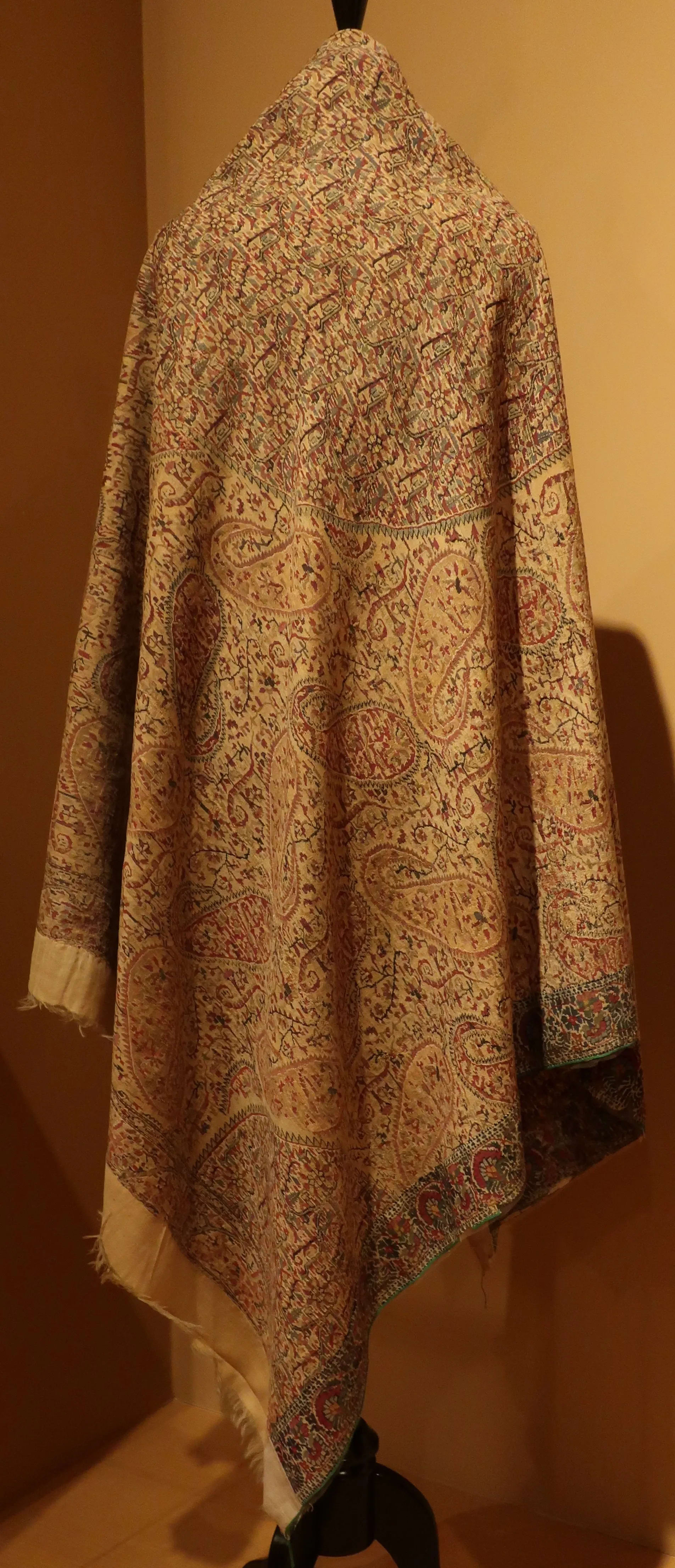
Image Source: Wikipedia
Kashmir Shawl Shopping as Part of Your Kashmir Itinerary
Most travelers visiting Kashmir spend time in Srinagar, and the old city is where the best shawl shopping happens. If you are serious about finding a genuine Kashmir shawl, it is worth dedicating at least half a day to shopping rather than squeezing it between other sightseeing stops. Rushing through a shawl purchase is how most tourists end up with something they regret later.
Here is how to fit shawl shopping intelligently into a typical Kashmir itinerary:
Day 1 or 2: Orient Yourself First
Do not buy anything on your first day. Use your initial hours in Srinagar to walk through the bazaars around Lal Chowk and the old city near Jamia Masjid, observe prices, handle different shawl types, and get a feel for what genuine Pashmina and Kani work look and feel like. This reconnaissance visit costs you nothing and saves you from making an impulse purchase at an inflated price.
Visit the Government Emporium Early
The J&K Government Arts Emporium on Residency Road should be one of your first stops. Prices here are fixed and certified, which gives you a reliable benchmark. Even if you plan to bargain later in private shops, knowing the official price of a plain Pashmina or an embroidered shawl makes you a far more confident negotiator elsewhere.
Day Trip to Kanihama Village
If Kani woven shawls interest you, consider a half-day trip to Kanihama, roughly 20 kilometres from Srinagar on the road toward Gulmarg. This village is the traditional home of Kani weaving, and you can watch artisans at their looms before buying directly from weavers or their cooperatives. Prices are often better than in city shops, and the experience of seeing the craft firsthand adds genuine meaning to your purchase.
Pahalgam and Gulmarg: Skip the Tourist Stalls
Shawl stalls in resort towns like Pahalgam and Gulmarg cater heavily to passing tourists and tend to stock machine-made or blended products at premium prices. If you are visiting these destinations as part of your Kashmir trip, enjoy the scenery but do your serious shawl shopping back in Srinagar where competition among sellers is higher and quality is easier to verify.
Allow Time for Negotiation
In private bazaar shops, bargaining is a normal and expected part of the transaction. Sellers typically open at 30 to 50 percent above their minimum acceptable price. Be respectful, take your time, and do not feel pressured. If a seller seems unwilling to negotiate at all on a high-value shawl, that is sometimes a sign of confidence in their product but always verify the GI tag before agreeing to any price.
Building shawl shopping into your Kashmir itinerary as a planned activity rather than an afterthought means you leave with something authentic, fairly priced, and genuinely worth carrying home.
Common Mistakes Tourists Make When Buying Kashmir Shawls
With the market flooded by imitations and machine-made copies, knowing how to spot a genuine Kashmir shawl is essential before you spend your money. Authentic shawls carry distinct physical and visual markers that cheap replicas simply cannot replicate.
Check the weave from the reverse side: A genuine Kani or hand-woven shawl will show neat, hand-tied threads on the back. Machine-made shawls have loose, dangling threads or perfectly uniform backing that looks too clean.
Feel the texture carefully: Real Pashmina feels feather-light and warms up instantly when you hold it against your skin. Synthetic blends feel heavier, slightly rough, or artificially silky.
Look for minor irregularities: Handcrafted shawls will have tiny, natural imperfections in the pattern. These are signs of human craftsmanship, not flaws. Perfect symmetry usually signals machine production.
Ask for a GI certificate: Authentic Kashmir Pashmina carries a Geographical Indication tag issued by the Craft Development Institute, Srinagar. Always request this documentation when buying high-value shawls.
Buy from registered artisans or government emporiums: Shops inside Srinagar's Lal Chowk area or government-certified emporiums offer traceable, certified products with a paper trail.
Burn test for fiber: A genuine wool or Pashmina fiber smells like burning hair and leaves ash. Synthetic fibers melt into a plastic-like bead and smell chemical. Use this only as a last resort on a loose thread.
Where to Buy a Kashmir Shawl and What to Pay
Buying a Kashmir shawl from the right source protects your investment and ensures that artisans receive fair wages for their work. Prices vary widely depending on fiber quality, weaving technique, and embroidery density.
Srinagar old city bazaars: The lanes around Jamia Masjid and Residency Road host dozens of family-run shawl shops. Bargaining is expected here, and you can find good quality at reasonable prices if you know what to look for.
Government emporiums: The J&K Government Arts Emporium on Residency Road, Srinagar, sells fixed-price, certified shawls. No bargaining is needed ,and authenticity is guaranteed.
Weaver cooperatives in Kanihama and Shopian: Visiting artisan villages allows you to buy directly from weavers, cutting out middlemen and often getting better prices on Kani shawls.
Airport and hotel boutiques: Convenient but usually 20 to 40 percent more expensive than bazaar prices. Suitable for last-minute purchases of smaller items.
Shawl Type | Approximate Price Range | Best Place to Buy |
|---|---|---|
Plain Pashmina (100%) | INR 3,000 to 8,000 | Government emporium, certified shops |
Sozni Embroidered Pashmina | INR 8,000 to 25,000 | Old city bazaars, artisan cooperatives |
Kani Woven Shawl | INR 15,000 to 1,50,000+ | Kanihama village, specialist dealers |
Shahtoosh (restricted) | Legally unavailable for sale | Do not purchase; protected under CITES |
Woolen Jamawar Shawl | INR 1,500 to 6,000 | Lal Chowk shops, bazaars |
Caring for Your Kashmir Shawl
A Kashmir shawl, particularly one made from Pashmina, is a delicate investment that rewards careful handling. With proper care, these shawls last for decades and can even be passed down through generations.
Hand wash only in cold water: Use a mild, pH-neutral shampoo or wool wash. Never use regular detergent, which strips natural oils from the fiber and causes pilling.
Do not wring or twist: Press the shawl gently between two dry towels to remove water. Lay it flat on a clean surface to dry in shade. Never hang it on a line as this stretches the weave.
Store with cedar balls, not mothballs: Cedar repels moths naturally without the chemical smell that embeds itself into fine fabric. Fold the shawl loosely in breathable cotton or muslin, never in plastic.
Avoid direct sunlight for long periods: Prolonged sun exposure fades natural dyes used in embroidery and weakens Pashmina fibers. Store in a cool, dark drawer or wardrobe shelf.
Dry clean embroidered shawls: Sozni or Aari embroidered shawls should be professionally dry cleaned to protect the thread work. Washing by hand risks loosening the needlework over time.
Defuzz gently with a soft brush: Light pilling is normal in genuine Pashmina. Remove it carefully with a cashmere comb or soft-bristled brush. Never use a lint roller, which pulls at the weave.
Conclusion
A Kashmir shawl is far more than a piece of fabric. It carries centuries of artisan knowledge, mountain geography, and cultural identity within every thread. Whether you choose a plain Pashmina for everyday warmth, a Sozni-embroidered piece for formal occasions, or a Kani shawl as a collector's investment, you are taking home something irreplaceable. Understanding the differences between fiber types, weaving techniques, and authenticity markers helps you make a confident, informed purchase that honors the craft and the craftspeople behind it.
If you are planning a trip to Kashmir and want to experience the shawl-making tradition firsthand, visiting weaver villages in Kanihama or browsing the certified emporiums in Srinagar will give you both the knowledge and the opportunity to find a piece that truly suits you. For detailed guidance on where to go, what to see, and how to plan your time in Kashmir, Kashmir Holidays offers practical, locally informed advice to help you get the most from every moment of your journey.
Frequently Asked Questions
What is the difference between Pashmina and a regular woolen shawl?
Pashmina comes from the fine undercoat of the Changthangi goat raised in Ladakh, producing fibers as thin as 12 to 16 microns. Regular wool is much coarser, typically above 20 microns. Pashmina is significantly softer, lighter, and warmer by weight, which explains its considerably higher price compared to standard woolen shawls.
How can I verify a Kashmir shawl is genuine before buying?
Ask the seller for a GI certification tag issued by the Craft Development Institute, Srinagar. Check the reverse side for hand-tied threads, feel the fabric against your skin for instant warmth, and look for slight natural irregularities in the pattern. Buying from government emporiums or registered artisan cooperatives also significantly reduces the risk of purchasing a fake.
Is it legal to buy a Shahtoosh shawl in Kashmir?
No. Shahtoosh is made from the Chiru antelope, a CITES-protected endangered species. The sale, purchase, and export of Shahtoosh shawls is illegal under Indian and international wildlife law. Travelers caught carrying Shahtoosh across borders face serious legal penalties. Avoid any seller offering it, regardless of how it is described.
How much should I budget for a good quality Kashmir Pashmina shawl?
A genuine, plain 100 percent Pashmina shawl typically costs between INR 3,000 and INR 8,000. Sozni-embroidered pieces start around INR 8,000 and can exceed INR 25,000 depending on embroidery density. Kani woven shawls are the most expensive, often ranging from INR 15,000 to well over INR 1,50,000 for museum-quality pieces.
Can I wash a Kashmir Pashmina shawl at home?
Plain Pashmina shawls can be hand washed carefully in cold water using a mild wool wash or gentle shampoo. Never machine wash or wring the fabric. Embroidered Sozni or Aari shawls should always be professionally dry cleaned to protect the needlework. Dry all Pashmina flat in shade, away from direct sunlight and heat sources.