
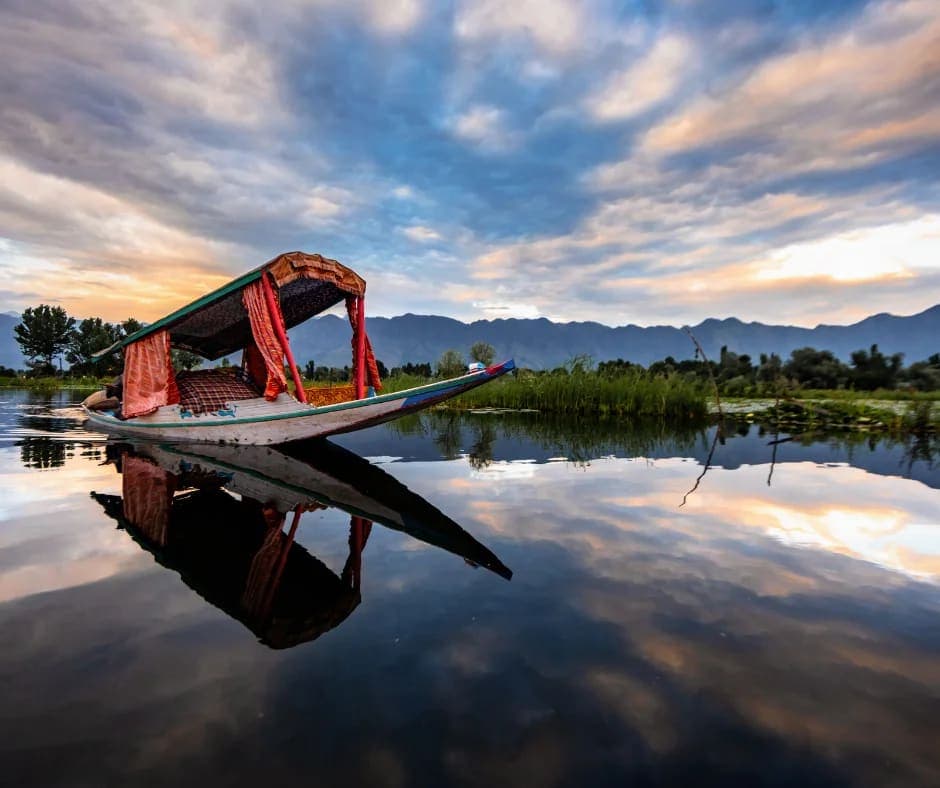
Tulip Garden Kashmir, officially called the Indira Gandhi Memorial Tulip Garden, is Asia’s largest tulip garden located in Srinagar. It opens for a short spring window every year, offering millions of blooming tulips, scenic Zabarwan views and an unforgettable seasonal experience.
If you’re planning a spring trip to Kashmir, the Tulip Garden Kashmir should be at the very top of your itinerary.
This is not just a garden visit. It’s a time-bound experience that lasts barely a few weeks each year and attracts travelers, photographers and nature lovers from across India and abroad.
What makes Tulip Garden Kashmir special is its scale, timing and setting. Nestled between Dal Lake and the Zabarwan Range, the garden transforms into a layered carpet of colors during peak bloom.
Because the season is short and tickets are regulated, knowing when to visit, how to get tickets and how to plan your day makes a big difference.
This guide covers everything you need to know before visiting Tulip Garden Kashmir, including bloom season, ticket prices, timings, travel tips, photography rules and common mistakes to avoid.
Planning a trip to Kashmir? Check out our Kashmir Tour Packages for Family With Flight
What is the Tulip Garden Kashmir?
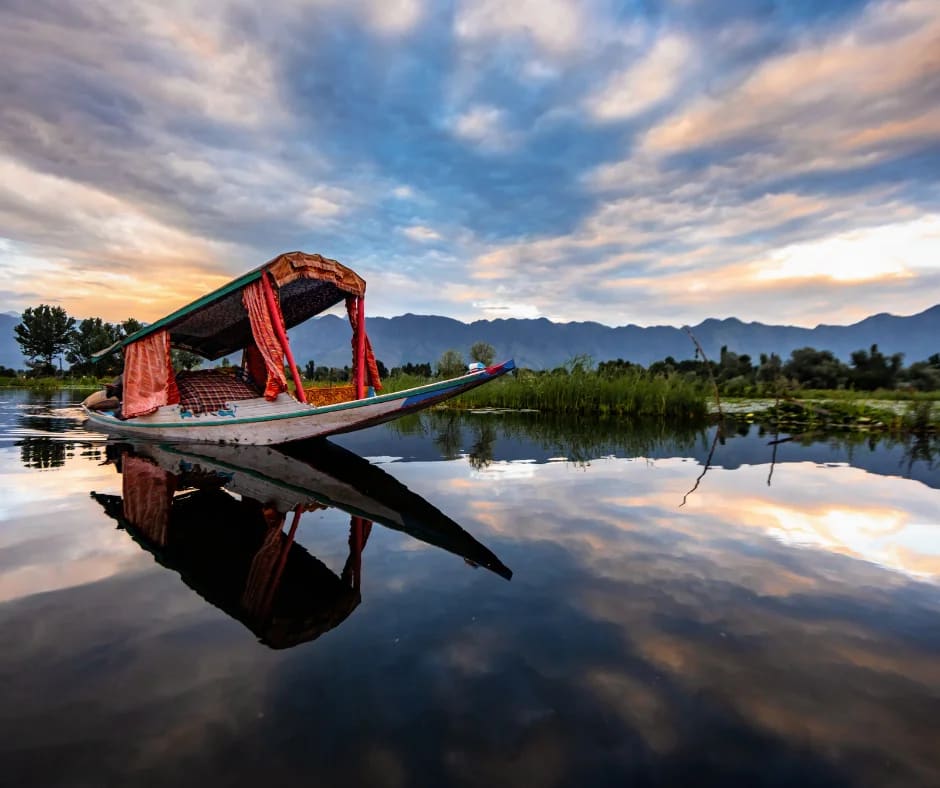
Tulip Garden Kashmir is officially known as the Indira Gandhi Memorial Tulip Garden, a world-class botanical attraction located in Srinagar, Jammu & Kashmir.
It is not just a flower garden but a seasonal tourism landmark that represents the arrival of spring in Kashmir.
Spread across the foothills of the Zabarwan Range and overlooking Dal Lake, the garden offers a rare combination of natural beauty, scale and timing that very few destinations in India can match.
What sets Tulip Garden Kashmir apart is its limited operational window. Unlike regular parks that stay open year-round, this garden opens only for a few weeks in spring, making it an experience you must plan for in advance. Missing this window means waiting an entire year.
Read More On Vaishno Devi Temple Jammu Kashmir: Yatra Guide 2026
Official Name and Background
The garden’s official name is the Indira Gandhi Memorial Tulip Garden. It was inaugurated in 2007 with the primary goal of boosting early-season tourism in Kashmir, which traditionally saw a surge only during summer.
The initiative was successful almost immediately, turning March and April into peak tourist months for Srinagar.
Since its opening, Tulip Garden Kashmir has grown every year in both area and flower variety, eventually earning recognition as Asia’s largest tulip garden.
Size, Scale and Layout
Tulip Garden Kashmir covers more than 30 hectares of terraced land, making it massive by any global standard.
Key layout features include:
Multiple terraced levels built on a gentle slope
Clear, paved walking paths between flower beds
Viewing angles designed to reveal the garden gradually
Elevated sections offering panoramic views of Dal Lake
The terraced design ensures that visitors experience the garden in layers rather than all at once. As you move upward, new colors, patterns and viewpoints continue to unfold.
Number of Flowers and Varieties
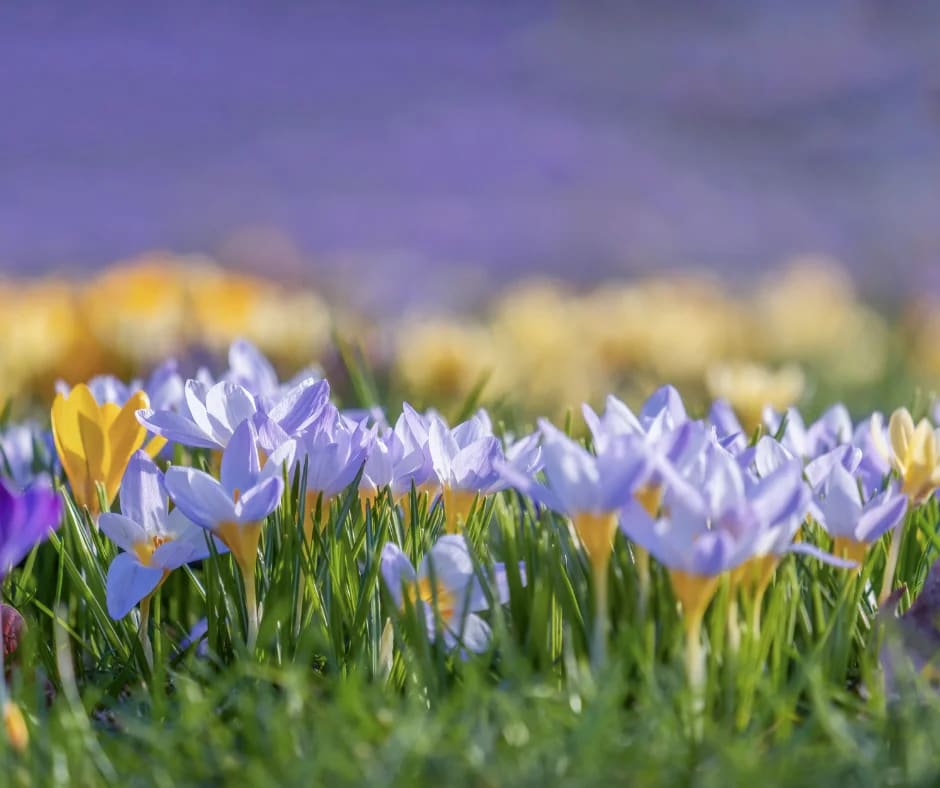
Every year, Tulip Garden Kashmir showcases over 1.5 million tulip bulbs, planted months in advance under carefully controlled conditions.
What makes it even more impressive:
60+ tulip varieties
Colors ranging from red, yellow, white, pink, purple and bi-color blends
Additional spring flowers like hyacinths, daffodils and ranunculus
The planting is done in color-blocked patterns, creating long stretches of uniform color rather than random patches.
This design choice is a major reason why photographs from the Tulip Garden Kashmir look so striking.
Location and Natural Setting
Tulip Garden Kashmir enjoys one of the most scenic settings of any tulip park in the world.
The Zabarwan Hills form a dramatic green backdrop.
Dal Lake lies directly in front of the garden.
Snow-capped peaks may still be visible in early spring.
This natural amphitheater effect enhances the visual impact of the tulips. The flowers don’t exist in isolation; they are framed by mountains, water and open sky, giving the garden a sense of scale and openness.
Why the Tulip Garden Kashmir Is So Famous
Tulip Garden Kashmir, is famous for several reasons, not just its size.
It stands out because:
It is Asia’s largest tulip garden
It operates for a short, exclusive season.
It offers mountain-lake-flower scenery in one frame.
It marks the official start of spring tourism in Kashmir.
It attracts both domestic and international visitors.
For many travelers, visiting the Tulip Garden Kashmir is a once-in-a-lifetime experience due to its seasonal nature.
Cultural and Tourism Importance
Beyond tourism, the Tulip Garden Kashmir has cultural and economic importance for the region.
Creates seasonal employment
Boosts local hotels, houseboats and transport services
Encourages early-year travel to Kashmir
Strengthens Srinagar’s identity as a spring destination
The garden is also central to the Tulip Festival, which often includes cultural programs, local handicrafts and Kashmiri cuisine stalls outside the main garden area.
How the Tulip Garden Kashmir Is Different From Other Tulip Parks
Many countries have tulip gardens, but the Tulip Garden Kashmir offers something unique.
Key differences:
Natural mountain setting instead of flat land
Terraced viewing experience
Shorter but more intense bloom season
Strong integration with local tourism circuits
Unlike parks designed purely for leisure, the Tulip Garden Kashmir feels like a seasonal celebration of nature, not a permanent attraction.
What Visitors Should Understand Before Visiting
Understanding what the Tulip Garden Kashmir truly is helps set realistic expectations.
It is a walking-based experience.
It is not a picnic or resting park.
The main attraction is visual, not interactive.
Time inside is usually 1–2 hours.
The experience depends heavily on bloom timing.
When visited at the right time, the Tulip Garden Kashmir delivers an experience that justifies its reputation as one of India’s most iconic spring attractions.
Best Time to Visit the Tulip Garden Kashmir

Choosing the right time to visit the Tulip Garden Kashmir is the single most important factor that determines your experience.
The garden’s beauty is entirely dependent on natural bloom cycles, weather patterns and daily visitor flow.
A perfectly timed visit delivers dense color, full blossoms and clear views. A poorly timed visit can feel underwhelming, even if you reach the same location.
Because the tulip season is short and unpredictable, understanding how timing works helps you plan smarter and avoid common disappointments.
Seasonal Opening Window
Tulip Garden Kashmir opens only once a year, during the transition from winter to spring. The opening date is not fixed and depends on soil temperature and weather conditions during late winter.
In most years:
The garden opens towards the end of March
Operations continue for 3–4 weeks.
Closure happens once flowers begin to wilt.
A delay in snowfall melt or extended cold can push the opening slightly later. Warmer-than-usual weather can shorten the season.
Peak Bloom Period
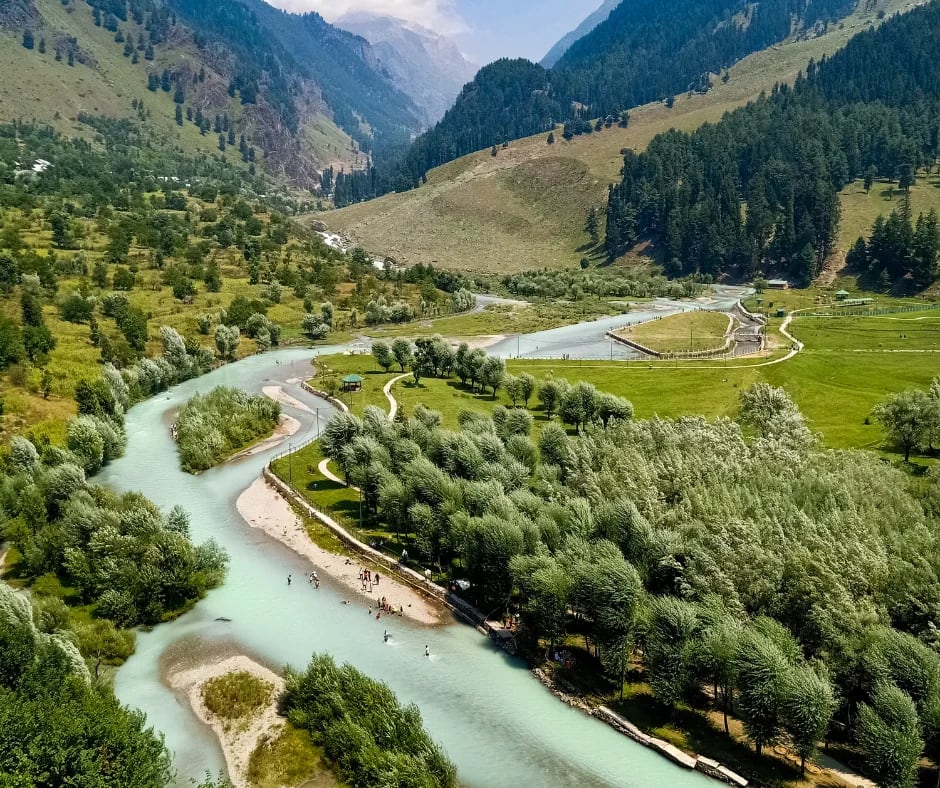
The most visually impressive phase occurs during the peak bloom window, when the majority of tulip varieties flower simultaneously.
During peak bloom:
Colors appear dense and uniform
Flower beds look full rather than patchy.
Most varieties are open at the same time.
Photographs reflect true saturation.
This phase typically lasts 7 to 10 days, making it the most sought-after period for visitors.
Early vs Late Season Visits
Visiting too early or too late changes the experience significantly.
Early-season visits
Some beds may still be budding
Fewer crowds
Cooler weather
Limited color spread
Late-season visits
Petals may begin to fall.
Colors fade quickly
Some sections may already be cleared.
Shortened visiting hours in some cases
For first-time visitors, the middle of the season offers the best balance.
Best Month to Visit
April is generally the most reliable month for visiting the Tulip Garden Kashmir. The first half of April usually offers:
Fully bloomed tulips
Stable weather
Longer daylight hours
Clear visibility of the surrounding landscapes
Late March can work in some years, but bloom density may vary.
Best Days of the Week
Crowd levels play a major role in how enjoyable your visit feels.
Weekdays provide more space and calmer movement.
Weekends attract heavy local and tourist footfall.
Public holidays see peak congestion.
If possible, plan your visit between Tuesday and Thursday for a smoother experience.
Best Time of Day
The time of day affects both comfort and visual quality.
Morning visits
Softer natural light
Cooler walking conditions
Fewer visitors
Clearer photography angles
Afternoon visits
Brighter colors
Warmer temperatures
Increased crowd density
Harsher shadows
For photographers and families alike, early hours are the most practical choice.
Weather Considerations
Spring weather in Kashmir can change quickly.
Light rain can dull colors temporarily.
Cloud cover softens light but reduces vibrancy.
Wind may affect delicate petals.
Sudden cold snaps can slow blooming.
Checking weather forecasts a day before visiting helps avoid surprises.
Best Time for Photography Lovers
Those visiting specifically for photography should plan around:
Clear or lightly overcast mornings
Peak bloom days
Minimal wind conditions
Early entry before crowds gather
These factors ensure sharper details and cleaner frames.
Best Time for Families and Casual Travelers
For relaxed visitors:
Mid-morning entries work well
Avoid school holidays if possible.
Choose non-peak weekdays
Allocate enough time to walk slowly.
This approach reduces fatigue and crowd stress.
When You Should Avoid Visiting
Certain situations reduce the quality of the experience:
Heavy rainfall days
Extreme crowd days
Final closing days
Very late afternoon entries
Avoiding these ensures the visit remains enjoyable rather than rushed.
Planning Tip That Makes a Big Difference
Instead of fixing your travel dates first, keep one flexible day around the tulip season. Monitor official bloom updates and adjust your visit accordingly.
This small planning choice often separates average visits from unforgettable ones.
Visiting the Tulip Garden Kashmir at the right time transforms it from a simple sightseeing stop into a standout memory of your Kashmir journey. Timing isn’t just important here. It’s everything.
Tulip Garden Kashmir Timings
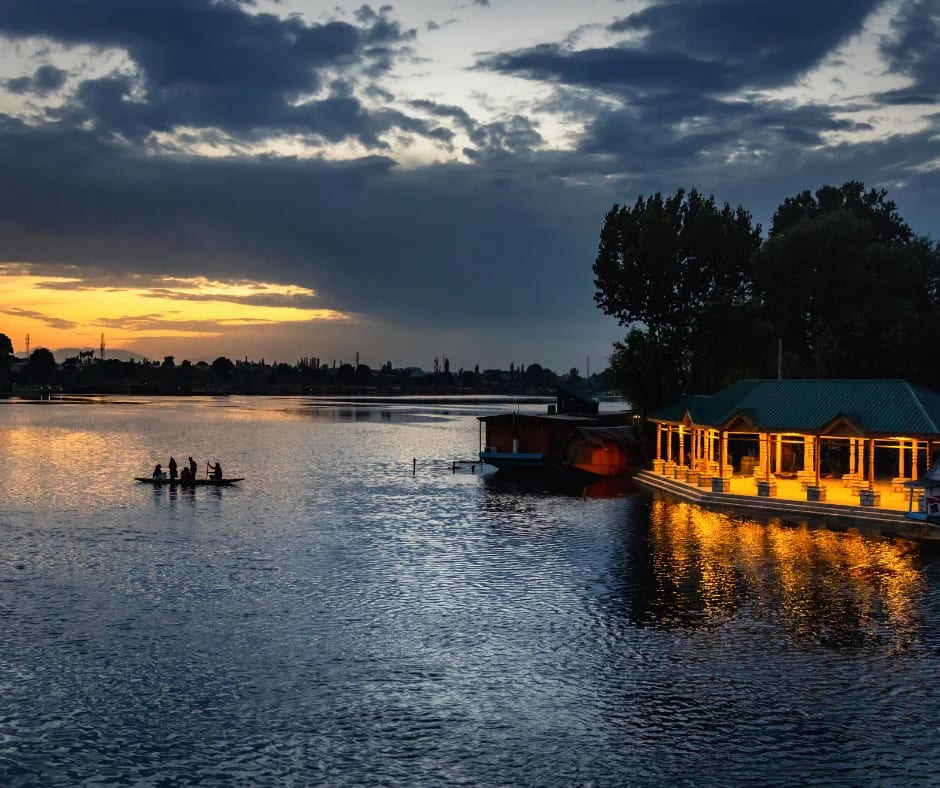
Tulip Garden Kashmir operates on a seasonal schedule that aligns with the tulip bloom period in spring.
Unlike year-round parks, this garden opens its gates only during the limited flowering window, which requires many visitors to plan their day around precise timing for the best experience.
Daily Visiting Hours
While exact times can vary slightly each year, the garden typically follows this schedule during the bloom season:
Opening Time: 9:00 AM
Closing Time: 7:00 PM
Last Entry: ~6:30 PM
These hours ensure visitors have plenty of daylight to explore the garden, enjoy views of Dal Lake and capture photos without rushing.
Early morning and late afternoon slots are especially favored for lighting and temperature.
Best Time Within the Day
Morning (9:00 AM – 11:00 AM)
Light is soft and ideal for photography
Cooler temperatures
Fewer visitors
Best window for clear panoramic views
Midday (11:00 AM – 2:00 PM)
Bright sunlight enhances colors
Crowds begin to increase.
Good for casual strolls
Afternoon to Early Evening (2:00 PM – 6:30 PM)
Warm light for landscape shots
Peak crowd hours, especially weekends
Beautiful golden light closer to sunset
Arriving close to opening time gives you the most comfortable and visually rewarding experience, while late afternoon visits offer dramatic hues and the chance to watch light shift over the garden and surrounding mountains.
Seasonal Adjustments
Because the garden is only open during the short bloom season (late March to mid-April, typically), daily timings may be adjusted year to year based on operational decisions by the tourism department or local conditions. Occasionally, special events or increased crowd traffic may lead to slight changes in entry windows or management protocols.
Special Entry Considerations
Tour groups and photography enthusiasts may enter earlier if pre-arranged through official channels.
Closing times are strictly enforced to ensure visitor safety and staff operations.
Vendors and stalls outside the garden often stay open later than the park itself.
Tips for Timing Your Visit
Arrive right at opening for the best lighting, cooler air and fewer people.
Avoid last-minute entries near closing time, as crowds tend to peak then.
Check local updates a day before visiting – sometimes timing shifts by 15–30 minutes depending on weather and operational needs.
Tulip Garden Kashmir Ticket Price
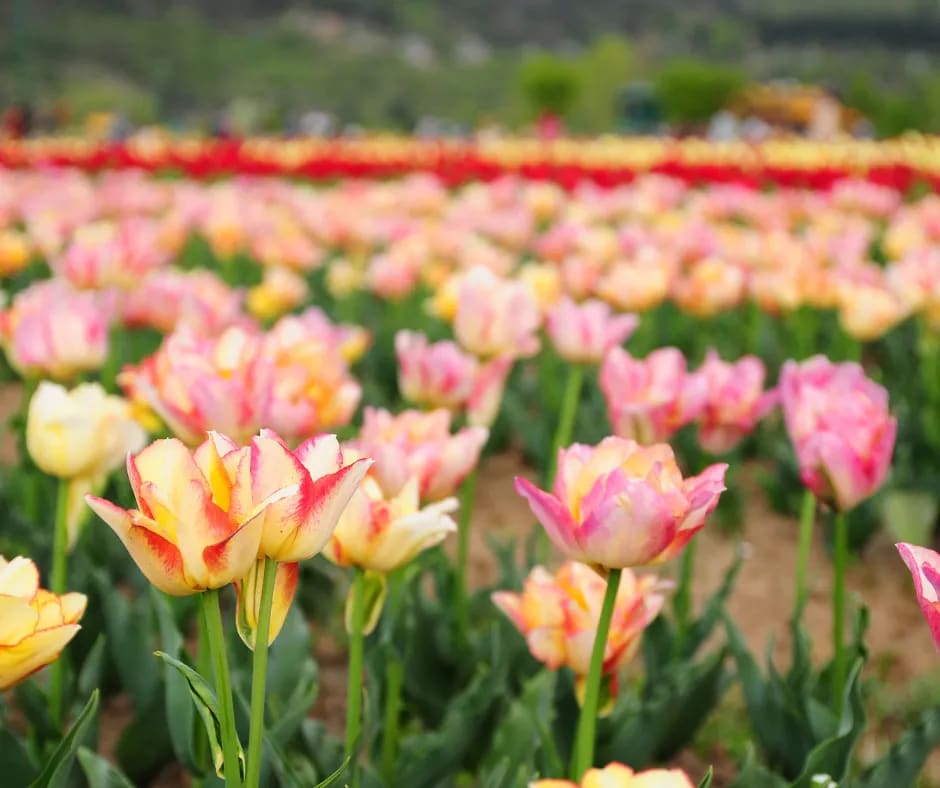
The Tulip Garden Kashmir (Indira Gandhi Memorial Tulip Garden) follows a fixed and affordable ticket pricing structure, revised each year by the local tourism authorities.
Entry tickets are mandatory for all visitors and are checked at the main gate before entry.
Entry Fee Structure
Adults (Indian visitors): ₹75 per person
Children (below 12 years): ₹30 per child
Foreign tourists: Approximately ₹200 per person
These prices are generally inclusive of applicable taxes and are kept intentionally low to encourage tourism during the spring season.
Important Ticket Notes
Ticket prices are per entry and valid for a single visit only.
Children above the specified age bracket are charged as adults.
Rates may be revised slightly every year, but major changes are rare.
No separate fee is charged for senior citizens
How to Buy Tickets
Visitors can purchase tickets through:
On-site ticket counters at the garden entrance
Authorized online portals (when enabled during peak season)
Tour operators, if visiting as part of a guided package
During peak bloom days, on-site queues can get long, especially in the late morning and afternoon.
Best Tip to Avoid Long Queues
Arrive early in the morning or visit on a weekday to reduce waiting time at ticket counters. Carry small cash or use UPI, as card machines may not always be reliable during high footfall periods.
Things Tickets Do NOT Include
Guided tours inside the garden
Photography or commercial shooting permissions
Food or refreshments
Parking charges (if applicable nearby)
The ticket price for Tulip Garden Kashmir makes it one of the most affordable large-scale flower festivals in Asia, offering excellent value for a once-a-year experience.
How to Reach the Tulip Garden Kashmir
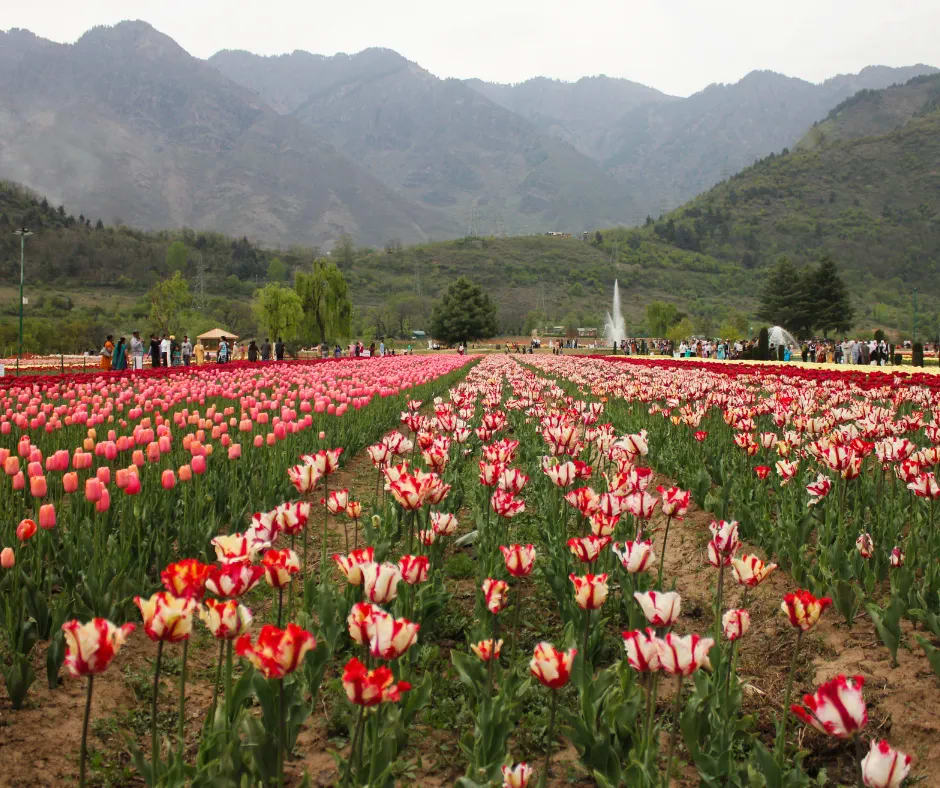
Tulip Garden Kashmir is located in Srinagar and is well connected by air and road, making it easy to access for both first-time visitors and repeat travelers.
Its proximity to Dal Lake and the Mughal Gardens means you don’t need complex travel planning once you reach the city.
Below is a clear, practical breakdown of all travel options.
Reaching the Tulip Garden Kashmir by Air
The nearest airport is Srinagar International Airport, which is well connected to major Indian cities like Delhi, Mumbai, Bangalore and Chandigarh, especially during the spring season.
Distance from airport: ~20 km
Travel time: 30–40 minutes
Transport options: Prepaid taxis, private cabs, hotel-arranged vehicles
After landing, most drivers are familiar with the Tulip Garden Kashmir, so you can simply mention the destination without navigation issues.
Reaching Tulip Garden Kashmir by Road (Within Srinagar)
If you are already staying in Srinagar, reaching the garden is straightforward.
Taxis and app-based cabs are widely available.
Auto-rickshaws operate on nearby routes.
Private cars are allowed up to designated parking zones.
Traffic tends to increase during peak bloom days, especially late mornings, so buffer extra travel time.
From Dal Lake and Nearby Areas
Tulip Garden Kashmir, is very close to major attractions.
Approximate distances:
Dal Lake: 2–3 km
Nishat Bagh: 1 km
Shalimar Bagh: 4 km
Boulevard Road: 10–15 minutes drive
Many visitors combine the tulip garden visit with the Mughal gardens on the same day due to their proximity.
Using Public Transport
Public transport options are limited but usable.
Local buses run on routes connecting main Srinagar roads.
You may need a short walk from the nearest drop point.
Not ideal for families or elderly visitors
For convenience and time efficiency, taxis are the preferred option.
Self-Drive and Parking Information
If you are driving yourself:
Follow directions towards the Zabarwan Hills / Dal Lake area
Signboards are placed during the tulip season.
Parking is available near the garden, but it fills quickly.
During peak days, traffic police may restrict vehicle movement close to the gate, requiring a short walk.
Best Route Tip
Approach the garden via Boulevard Road for a smoother drive and scenic views. Avoid last-minute arrivals between 11 AM and 3 PM when traffic congestion is highest.
Accessibility Considerations
Entry involves walking on paved paths and gentle slopes.
Wheelchair access is limited in the upper terraces.
Comfortable walking shoes are recommended.
Reaching the Tulip Garden Kashmir is simple once you are in Srinagar. The key is timing your travel to avoid peak congestion rather than worrying about directions.
What You’ll See Inside the Tulip Garden Kashmir
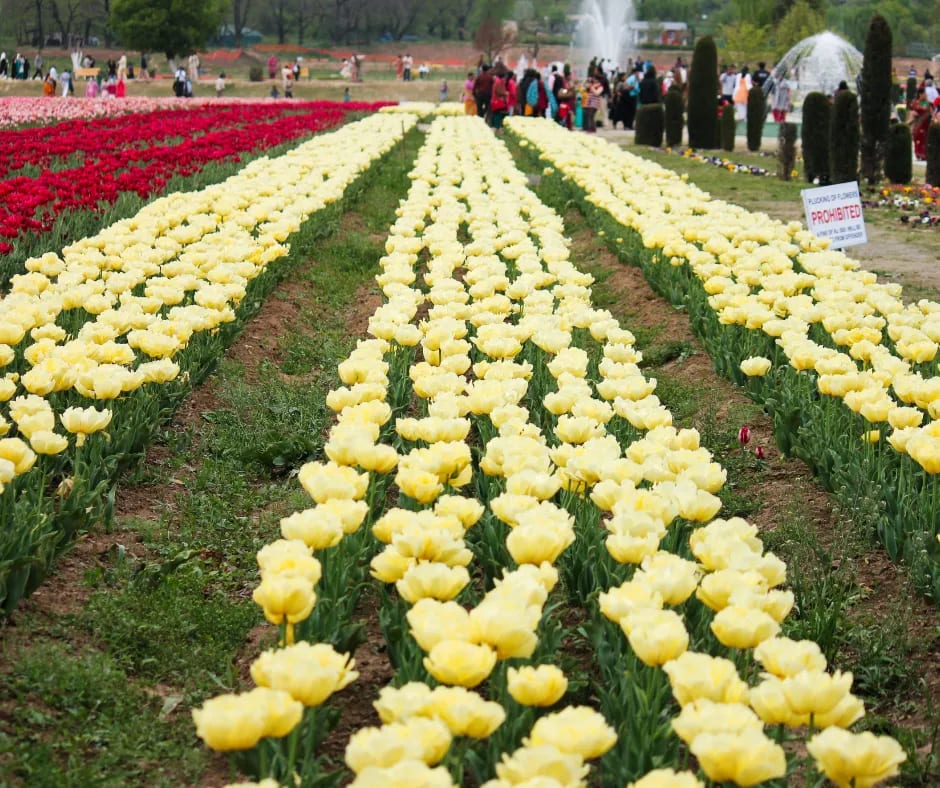
Stepping inside Tulip Garden Kashmir, feels like entering a carefully designed spring landscape rather than a typical public park.
The experience unfolds gradually as you move through terraced levels, with each section offering a different visual rhythm, color pattern and viewpoint.
What you see inside depends on how slowly you explore and how high you go.
Here’s exactly what awaits you once you pass the entrance.
Vast Terraced Flower Beds
The first thing you’ll notice is the scale. Tulip Garden Kashmir is built on a gentle slope, divided into multiple terraces that rise toward the Zabarwan Hills.
Long, continuous rows of tulips
Color-blocked sections instead of mixed patches
Symmetrical planting for visual balance
Clear walking lanes separating flower beds
As you move upward, the view keeps changing, preventing visual fatigue and making the walk engaging from start to finish.
Hundreds of Tulip Varieties in Full Bloom
Inside the Tulip Garden Kashmir, you’ll see dozens of tulip varieties, each with distinct shapes, petal textures and bloom styles.
Expect:
Single and double-petaled tulips
Fringed and lily-flowered varieties
Bold, solid colors and subtle bi-color patterns
Early, mid and late-blooming types within the same garden
This layered blooming ensures that the garden remains visually appealing throughout the season, not just for a single week.
Spring Flowers Beyond Tulips
While tulips dominate the landscape, they are not the only flowers on display.
You’ll also see:
Hyacinths with compact clusters
Daffodils lining walkways
Ranunculus adding texture
Seasonal ornamental plants
These additions provide contrast and depth, making the garden feel richer and more diverse rather than one-dimensional.
Dal Lake Viewpoints
As you climb higher terraces, the garden opens up to wide views of Dal Lake.
Reflections of water visible between flower rows
Houseboats appearing in the distance
Changing light conditions through the day
Natural framing with tulips in the foreground
These viewpoints are among the most photographed spots inside the Tulip Garden Kashmir.
Zabarwan Hills Backdrop
Behind the garden, the Zabarwan Range rises dramatically, forming a natural backdrop that enhances every frame.
Green slopes during late spring
Snow traces early in the season.
Cloud movement adds atmosphere.
Sharp contrast between mountains and flowers
This setting gives the garden a sense of openness that flat parks cannot replicate.
Walking Paths and Viewing Angles
The garden is designed for movement, not stationary viewing.
Inside you’ll find:
Wide paved paths for easy walking
Gentle slopes rather than steep climbs
Strategic turns revealing new views
Multiple angles of the same flower beds
This layout encourages slow exploration rather than rushing through.
Designated Photo Spots
Certain areas are naturally suited for photography due to alignment, spacing and background clarity.
Long perspective rows
Elevated corners with lake views
Central terraces with layered colors
Symmetrical patterns are ideal for wide shots.
You don’t need to search hard. Photo opportunities appear naturally as you walk.
Calm Zones Away From the Crowd
Although the lower sections get busy, the higher terraces are often quieter.
Fewer people reach the top.
Better space for relaxed viewing
Cleaner backgrounds for photos
More immersive experience
Spending time in these upper sections often becomes the highlight for visitors who explore patiently.
Overall Experience Inside the Garden
Inside the Tulip Garden Kashmir, the experience is visual, sensory and time-bound.
You walk, observe, pause and move again.
The scenery changes with elevation.
Light, color and background evolve naturally.
No two visits feel identical.
It’s not about rushing to see everything. It’s about letting the garden reveal itself step by step.
Photography Tips and Rules
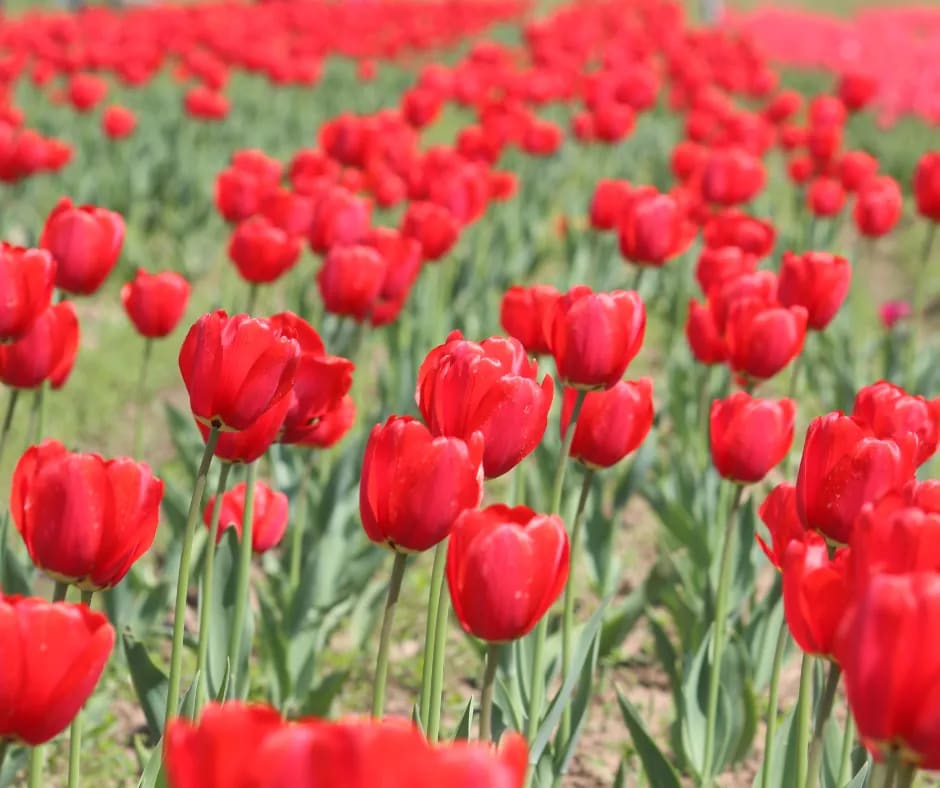
Tulip Garden Kashmir is one of the most photogenic locations in the region, but great photos depend on timing, movement and respecting garden rules.
Because the space is controlled and seasonally crowded, understanding how to photograph smartly makes a noticeable difference in both image quality and overall experience.
Below are practical photography tips, followed by clear rules every visitor must follow.
Best Time for Photography
Lighting defines how tulips appear in photos.
Early morning provides soft light and gentle shadows.
Colors look natural rather than washed out.
Fewer people walk into frames.
Mountains and Dal Lake appear clearer.
Late afternoon light can also work well, but crowd density is usually higher.
Choose the Right Angles
Rather than shooting from eye level everywhere, vary your perspective.
Shoot low-angle frames to make tulips appear full.r
Use leading rows to guide the viewer’s eye.
Frame flowers with the Dal Lake or the hills in the background
Avoid standing directly above blooms.
This approach adds depth without needing advanced equipment.
Use Natural Layers
Tulip Garden Kashmir is naturally layered.
Foreground: Tulips
Midground: Pathways or terraces
Background: Dal Lake or Zabarwan Hills
Including all three layers makes photos feel balanced and immersive rather than flat.
Handle Crowds Creatively
Crowds are unavoidable during peak bloom, but they don’t have to ruin shots.
Wait patiently for clear gaps.
Move slightly off-center from popular spots.
Focus on close-ups when wide shots are crowded.
Use flower rows to hide foot traffic.
The garden rewards slow, observant photographers.
Recommended Camera Settings (General Guidance)
You don’t need professional gear, but some adjustments help.
Moderate aperture for flower sharpness
Slightly faster shutter if there’s wind
Keep ISO low during daylight.
Use portrait mode carefully to avoid edge blur.
Smartphone cameras work well if used thoughtfully.
What Photography Is Allowed
Visitors are welcome to take:
Personal photos
Travel and nature shots
Casual social media content
Photography for personal use is encouraged as long as the rules are followed.
Photography Rules You Must Follow
To protect the garden and maintain order, strict rules apply.
Do not step inside flower beds.
Do not touch or pluck flowers.
Stay on marked walking paths.
Do not block pathways for photos.
No drones allowed inside the garden.
Security staff actively monitor violations.
Commercial Photography Guidelines
Professional shoots may require prior permission.
Tripods may be restricted in crowded sections.
Large equipment can attract attention from staff.
If unsure, always ask before setting up gear.
Common Photography Mistakes to Avoid
Shooting at noon under harsh sunlight
Rushing without checking angles
Standing on raised edges for height
Ignoring background clutter
Simple awareness improves results more than filters.
Photography Etiquette That Matters
Respect enhances everyone’s experience.
Avoid blocking others’ views.
Keep sessions brief in popular spots.
Be patient rather than aggressive.
Follow instructions from the garden staff.
Good etiquette keeps access open for all.
Photography at the Tulip Garden Kashmir is about timing, patience and awareness. When done right, even simple shots capture the scale, color and setting that make this place special.
Common Mistakes to Avoid
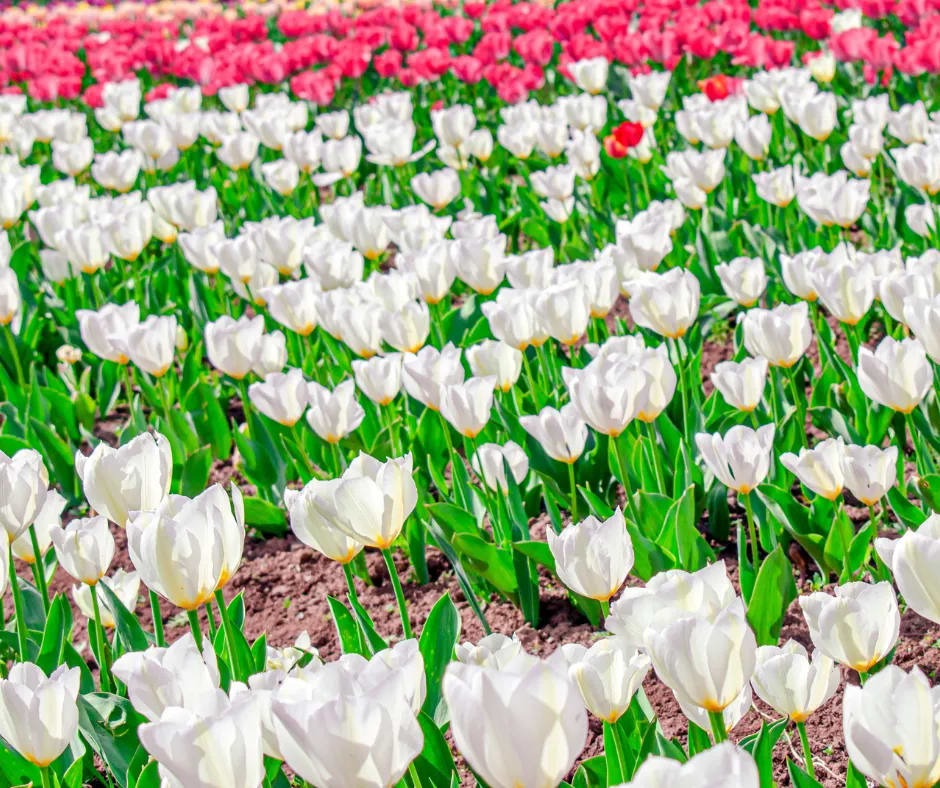
A visit to the Tulip Garden Kashmir can be spectacular or disappointing, depending on a few simple decisions.
Many visitors miss the full experience not because the garden falls short, but because of avoidable planning and on-site mistakes. Knowing what not to do helps you enjoy the garden at its best.
Visiting Without Checking Bloom Status
Tulips don’t bloom on fixed calendar dates.
Bloom intensity changes every year.
Early visits may show buds instead of flowers.
Late visits may reveal fading petals.s
Always check the current bloom phase before finalizing your visit day.
Arriving During Peak Crowd Hours
Midday hours attract the highest footfall.
Congested walkways
Limited photo opportunities
Rushed movement
Reduced viewing comfort
Early entry provides a calmer, more immersive experience.
Limiting the Visit to Lower Sections
Many visitors turn back too early.
Lower terraces are the most crowded.
Upper levels offer better views and quieter spaces.
Color patterns appear richer from higher angles.
Climbing gradually reveals the garden’s full design.
Rushing Through the Garden
Tulip Garden Kashmir, is not a quick stop.
Visual details get missed.
Photography opportunities are lost.
The experience feels incomplete.
Allocate enough time to explore at a relaxed pace.
Wearing the Wrong Footwear
The garden involves continuous walking.
Uneven slopes in some sections
Long walking paths
Standing during peak hours
Uncomfortable shoes can shorten your visit unnecessarily.
Ignoring Weather Conditions
Spring weather can shift quickly.
Sudden rain dulls colors.
Wind affects delicate petals.
Cold snaps reduce comfort.t
Checking forecasts improves both comfort and photo quality.
Standing on Edges or Barriers for Photos
This is a common but risky mistake.
Damages flower beds
Attracts fines or removal
Poses safety risks
Designated paths already offer excellent viewpoints.
Not Respecting Garden Rules
Ignoring basic rules affects everyone.
Stepping into beds harms flowers.
Blocking paths disrupts flow.
Touching flowers shortens bloom life.
Rule violations are monitored closely.
Expecting a Picnic-Style Experience
Tulip Garden Kashmir, is a viewing garden.
Limited seating inside
No picnic spaces
Focus on walking and observation.
Plan meals before or after your visit.
Skipping Nearby Attractions
The garden sits close to major landmarks.
Dal Lake
Mughal Gardens
Boulevard Road
Combining nearby sites makes better use of your day.
Underestimating Crowd Fatigue
Crowds can be tiring if unprepared.
Bring water
Take short breaks
Avoid peak heat hours.
Managing energy helps maintain enjoyment.
Avoiding these mistakes ensures that Tulip Garden Kashmir feels like a highlight of your trip rather than a rushed stop. A little awareness goes a long way in turning a short seasonal visit into a memorable experience.
Check out our latest blog on Dawat-e-Kashmir | Authentic Kashmiri Food & Cultural Experience
Final Thoughts
Tulip Garden Kashmir, is not just a sightseeing stop. It’s a seasonal event that defines spring tourism in the region. With proper timing, early entry and realistic expectations, your visit can be one of the most memorable parts of your Kashmir trip.
If you plan smartly, avoid crowds and visit during peak bloom, Tulip Garden Kashmir offers an experience that rivals international flower festivals while retaining its unique Himalayan charm.
Want help planning your Kashmir trip around the tulip season?
Get in touch and we’ll help you plan routes, stays and timing based on real on-ground experience.
Check out our latest blog on Jammu Kashmir Map for Tourists: Cities, Valleys & Roads
Frequently Asked Questions
How long does it take to visit the Tulip Garden Kashmir?
Most visitors spend 1.5 to 2 hours inside the Tulip Garden Kashmir. This allows enough time to walk through all terraces, enjoy viewpoints and take photos without rushing. If you visit during peak bloom and explore the upper sections slowly, you may spend slightly longer.
Is the Tulip Garden Kashmir open every year?
Yes, the Tulip Garden Kashmir opens every year, but only during the spring bloom season. The exact opening dates change annually based on weather and soil conditions, usually falling between late March and mid-April.
Can we visit the Tulip Garden Kashmir with children or elderly people?
Yes, the garden is suitable for children and elderly visitors. Paths are paved and slopes are gentle, but there is continuous walking involved. Elderly visitors should take breaks and avoid peak crowd hours for comfort.
Is the Tulip Garden Kashmir worth visiting if the flowers are not at peak bloom?
The experience is best during peak bloom, but even early or mid-season visits can be enjoyable due to the scenic location, layout and surrounding views. However, late-season visits may feel less rewarding as flowers begin to fade.
Are food and restrooms available inside Tulip Garden Kashmir?
Basic restroom facilities are usually available near the entrance. Food stalls and vendors are typically located outside the garden premises. It’s recommended to eat before or after your visit rather than expecting dining options inside.